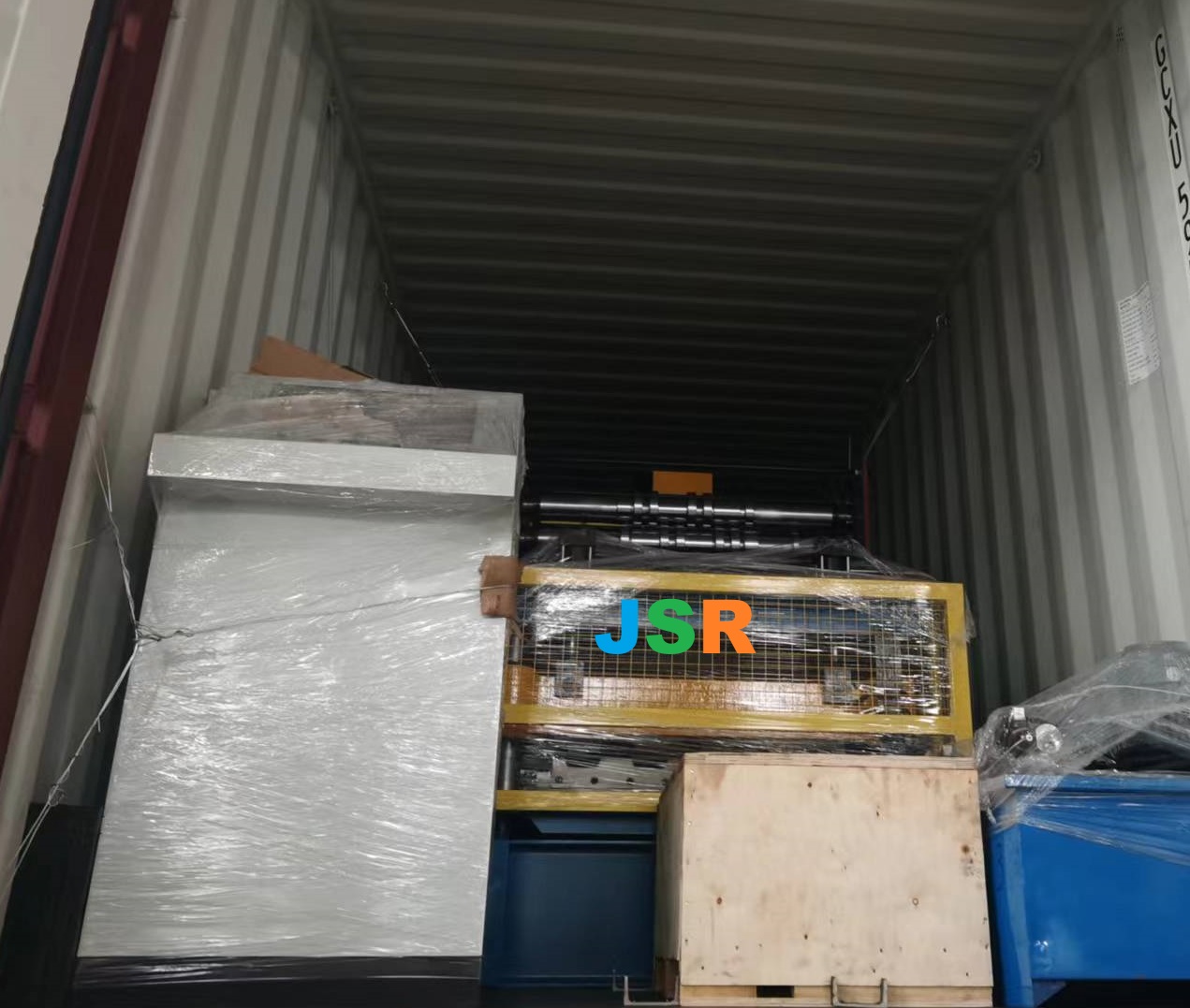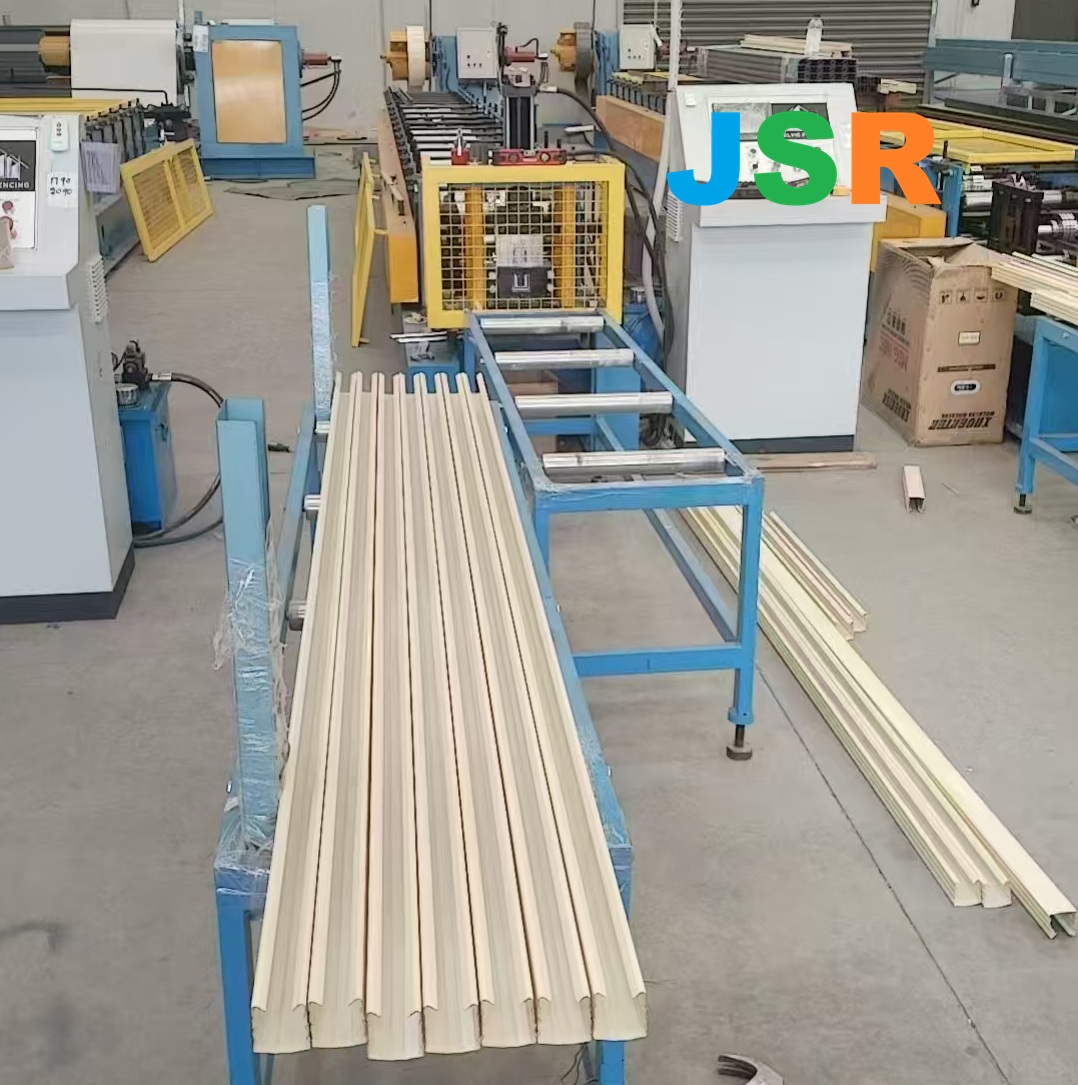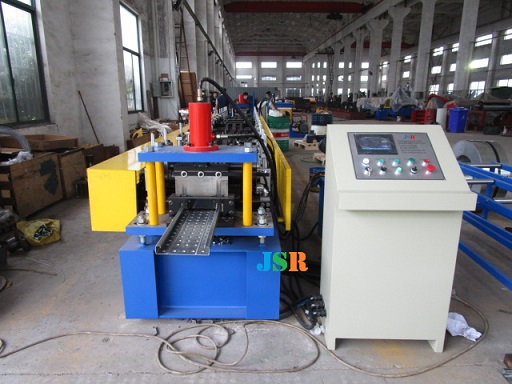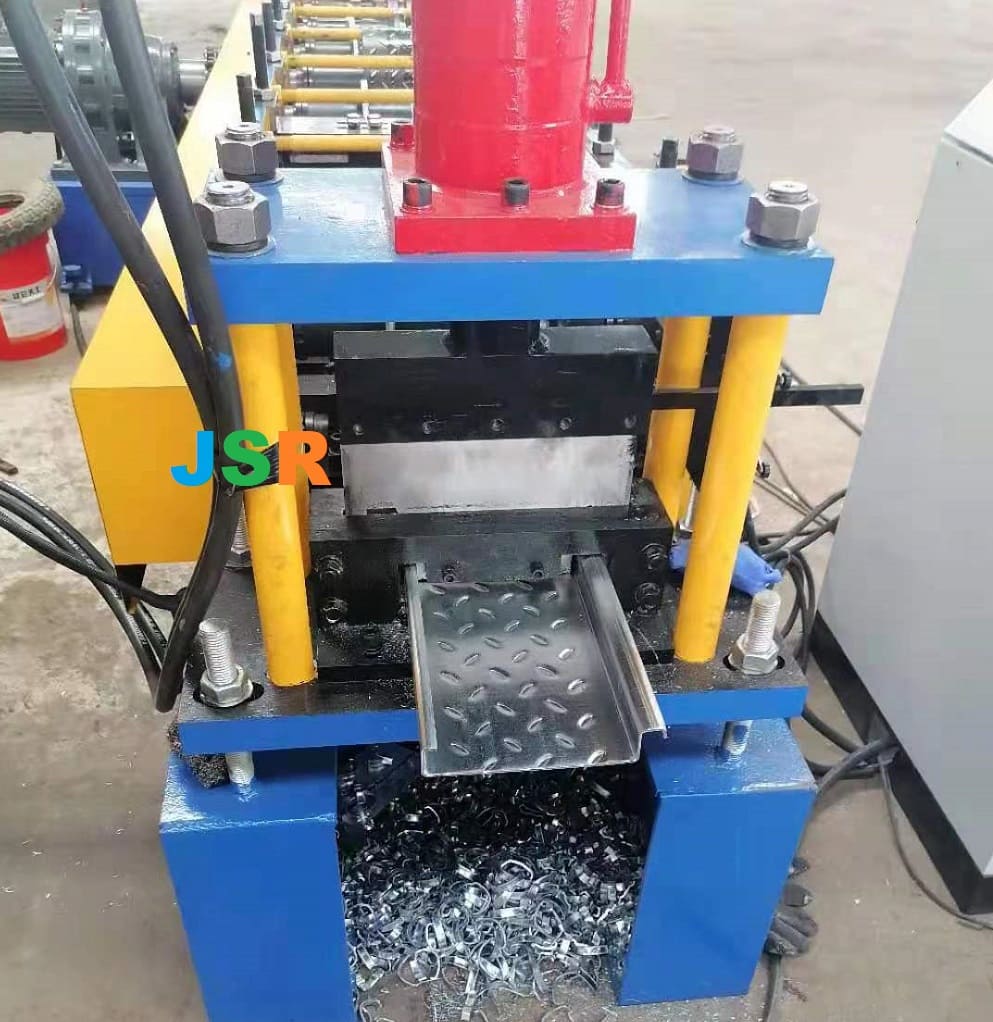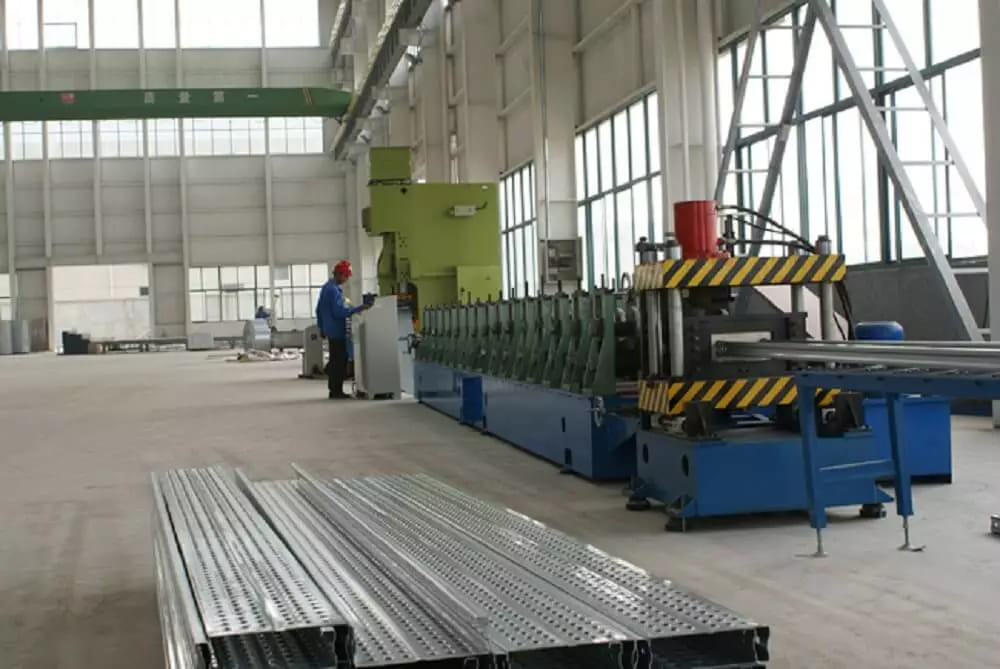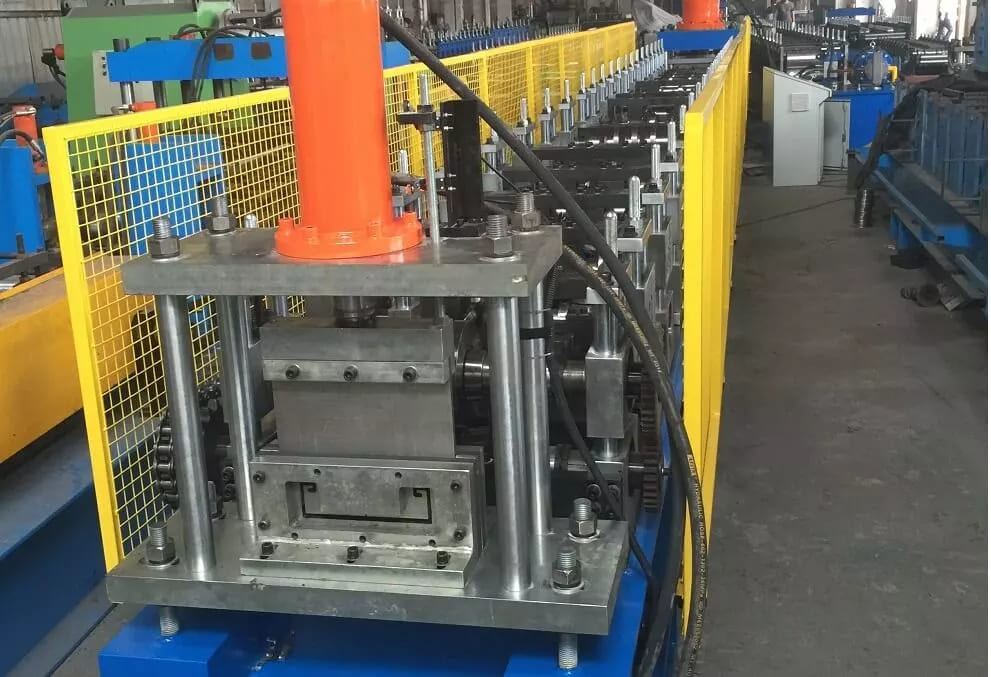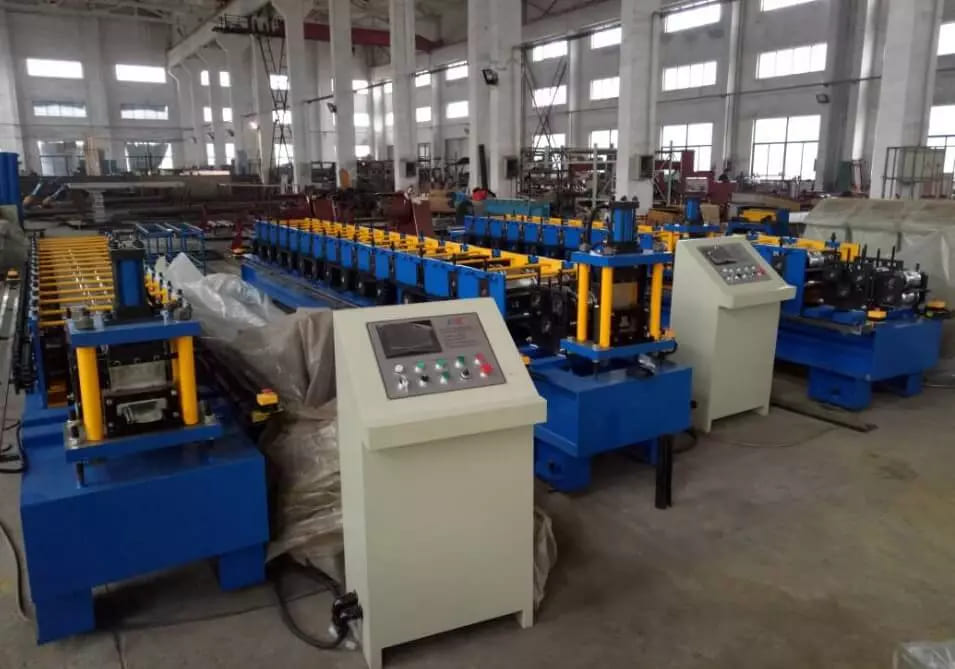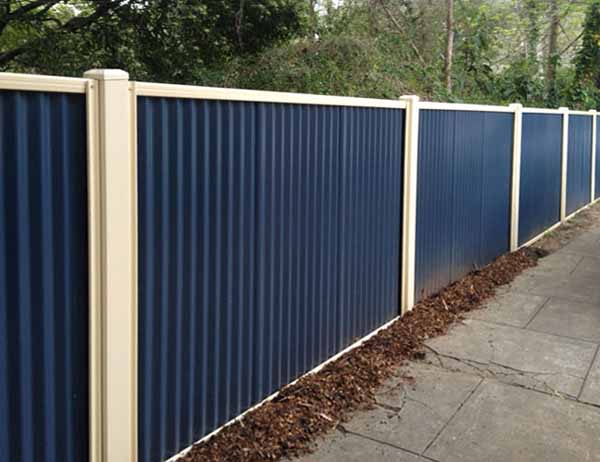

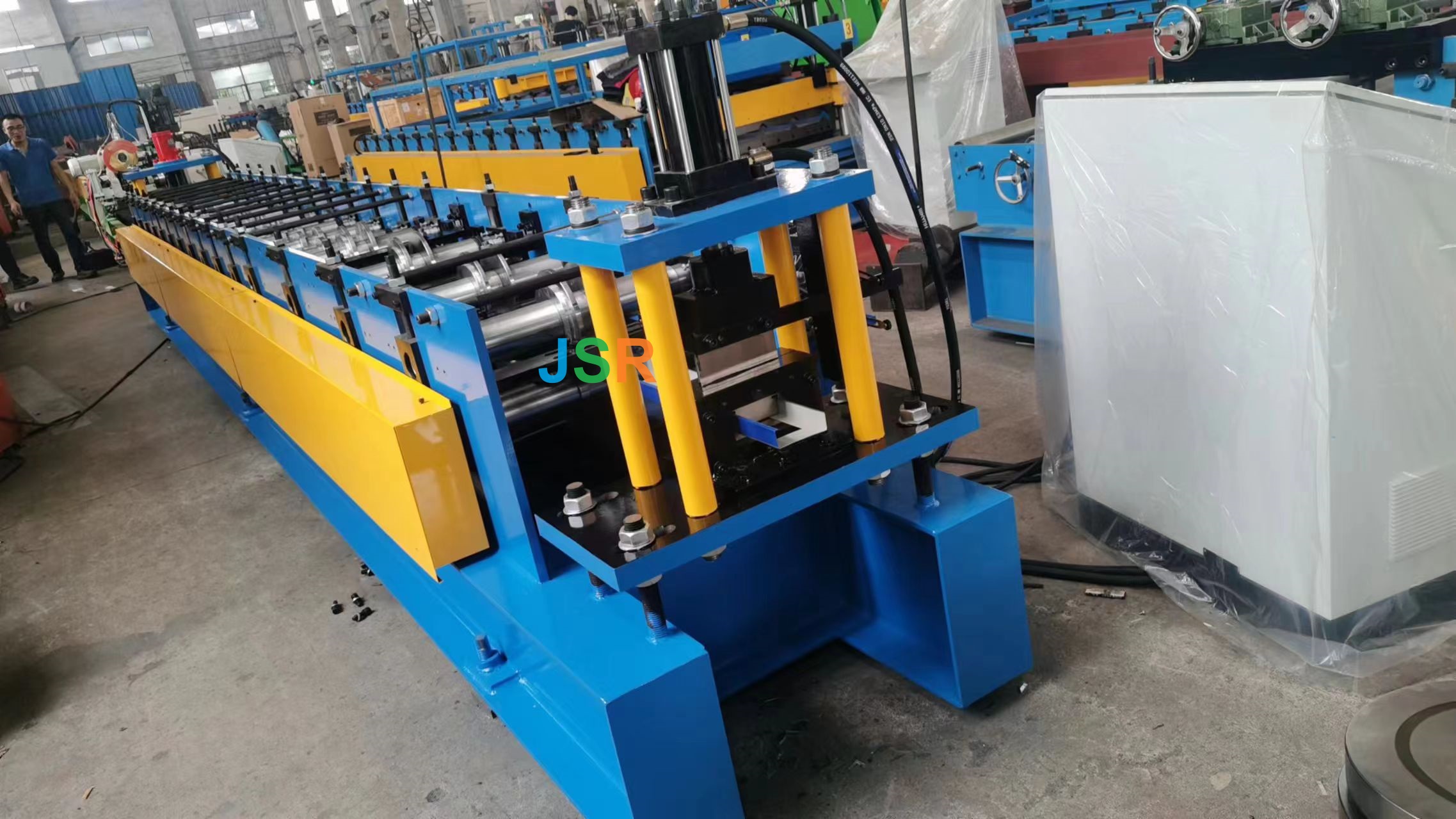
A stud and track roll forming machine is used to produce light steel framing components for partition walls, ceilings, and interior support systems. These components are commonly known as metal studs and tracks, and they are widely used in drywall construction, commercial fit-out projects, office partitions, hotels, hospitals, schools, and residential interiors.
As modern construction moves toward faster installation, cleaner job sites, and more standardized interior systems, stud and track products have become a core category in light steel profile production. They are practical, repeatable, and closely tied to one of the most stable segments in building construction: interior finishing and space division.
For manufacturers, a stud and track roll forming machine is not just a light-gauge machine. It is a production system that serves drywall contractors, building material distributors, and interior construction markets with continuous and repeatable demand.
Stud and track profiles are light steel sections used to build framing systems for non-load-bearing walls and suspended ceiling structures.
A stud is the vertical framing member. It provides the main structure for a partition wall.
A track is the horizontal profile used at the top and bottom of the wall system to hold the studs in position.
Together, these components form the skeleton of many interior wall systems. They are commonly used together with plasterboard, gypsum board, or drywall panels.
Compared with traditional wood framing or slower manual methods, metal stud and track systems offer several practical advantages.
The system is modular, predictable, and easy for trained workers to assemble.
Machine-produced profiles provide more uniform dimensions than many traditional alternatives.
Drywall framing creates less mess and often reduces wet work on site.
Stud and track systems are widely used in offices, commercial buildings, hotels, schools, and apartment fit-outs.
Drywall systems are already standard in many countries and regions.
Because of these advantages, demand for stud and track profiles remains steady across many markets.
A stud and track roll forming machine is an automated line that converts steel coil into metal stud and track profiles through continuous roll forming.
Depending on the machine design, the production line may include:
The machine can be designed for one profile or for multiple sizes, depending on product strategy and market requirements.
Although the product looks simple, stable production depends on good line design.
The steel coil is loaded onto the decoiler. The material is usually galvanized steel for corrosion resistance and ease of use in interior construction.
The strip is fed into the line and stabilized before entering the forming section.
Depending on the design, the machine may include service holes, knockouts, or embossing features.
The material passes through multiple roller stations where it is gradually formed into the stud or track shape.
The finished profile is cut to the required length. Accurate length control is important for contractor use and packaging efficiency.
The finished products move to the output table for collection, stacking, or packaging.
Because these profiles are often sold in volume, line stability and repeatability are essential.
A typical machine may include:
More advanced lines may offer higher speed, quicker size change, or multiple profile production options.
Depending on the tooling and design, this category can produce:
In some cases, one production solution may be tailored for a specific product family rather than only one single section.
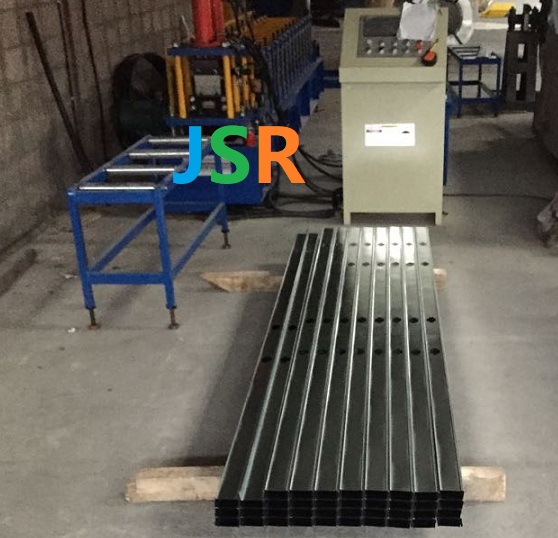
These systems are used in a wide range of interior construction environments:
This broad application range is one reason why the product category is commercially attractive.
A stud and track roll forming machine is important because it serves a market with repeat demand rather than occasional project-only demand.
Key reasons include:
Even when some heavy construction sectors slow down, renovation, office fit-out, and interior partition work may continue.
This makes the product easier to distribute and easier for contractors to use.
Stud and track products are often consumed in large quantity in building interiors.
Compared with some heavier structural products, stud and track production can be a more accessible market segment for many manufacturers.
The machine supports continuous output for profiles that are widely used in volume.
Uniform profile dimensions help reduce installation issues.
This category serves residential, commercial, and institutional interior work.
Manufacturers may sell to distributors, drywall contractors, project suppliers, or building material channels.
Partition systems and ceiling systems are needed across many types of buildings.
This machine can be suitable for:
It can be especially attractive for businesses that want a practical, scalable product category with ongoing market demand.
Before buying a stud and track roll forming machine, many customers want to know:
These are important questions because product-market fit matters as much as machine capability.
It is used to produce light steel framing profiles for drywall partitions, ceiling systems, and interior framing applications.
A stud is usually the vertical member in the wall frame, while a track is the horizontal profile that holds the studs in place.
Yes. Stud and track profiles are widely used in non-load-bearing interior wall and ceiling systems.
Yes. Galvanized steel is widely used because it offers corrosion resistance and is suitable for interior framing applications.
Depending on the design, yes. Some lines are configured for both product types or for related profile families.
It can be, especially in markets with active drywall construction and interior fit-out demand.
That depends on the product design and market requirements. Some profiles require service holes or other punched features.
Not always. Stability, profile consistency, and practical output quality are often more important than headline speed alone.
You should prepare profile drawings, thickness range, width, hole requirements, target production speed, and your main product sizes.
Differences usually come from machine build quality, speed, automation, punching capability, and flexibility.
For stud and track production, buyers usually care about reliable output, stable dimensions, and practical manufacturing efficiency.
JSR Roll Former focuses on:
For a high-volume interior product category, that consistency matters.
A stud and track roll forming machine is a practical and commercially relevant investment for manufacturers serving interior construction markets. It produces a standardized and widely used light steel product with broad application across commercial, residential, and institutional buildings.
For businesses looking for a scalable product line connected to ongoing building demand, stud and track production offers a strong and realistic opportunity.