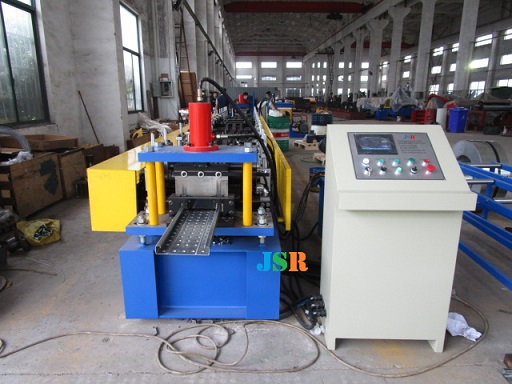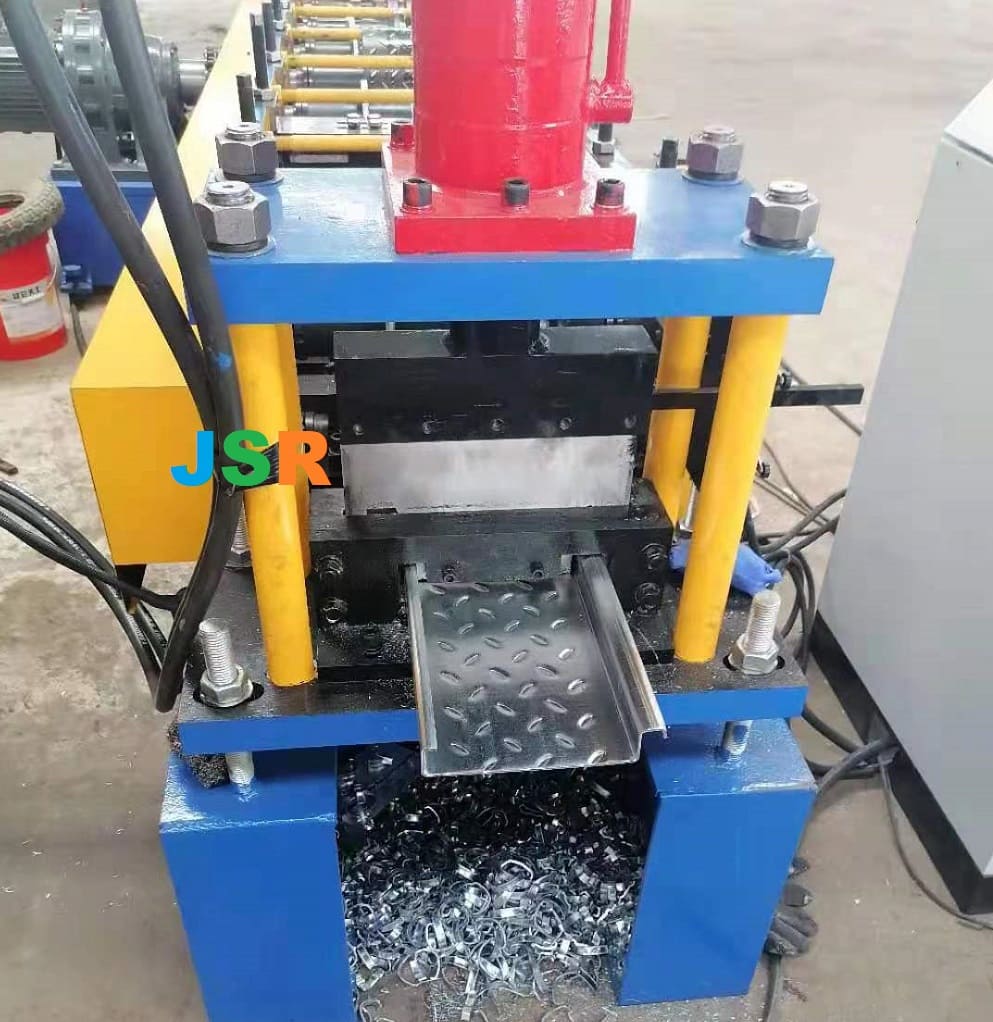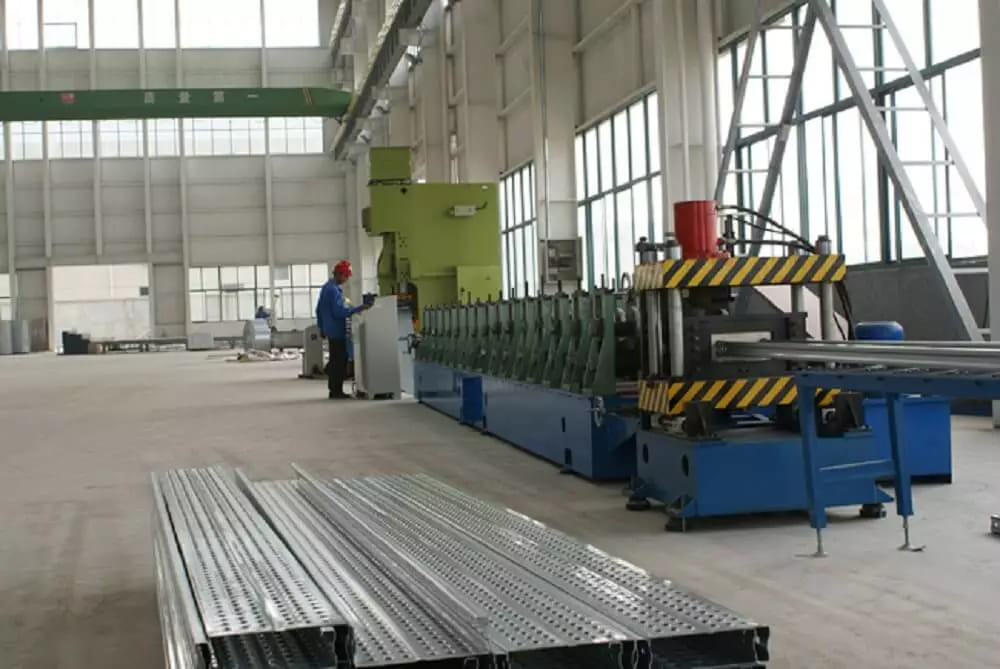

Roll forming machines are widely used in metal processing industries to produce high-precision profiles such as C/Z purlins, roofing sheets, cable trays, and structural components. Understanding how a roll forming machine works helps manufacturers choose the right equipment and improve production efficiency.
This guide explains the complete working process of a roll forming machine in a clear and practical way.
Roll forming is a continuous metal forming process where flat steel coils are gradually shaped into specific profiles through multiple roller stations.
Unlike press forming, which forms metal in a single step, roll forming ensures higher efficiency, better consistency, and less material waste.
The process starts with a steel coil placed on a decoiler.
Common materials include:
The decoiler feeds the material smoothly into the system.
Before forming, the steel passes through a leveling device to remove internal stress and ensure flatness.
A servo feeder or standard feeding system then pushes the material into the roll forming section with precise speed control.
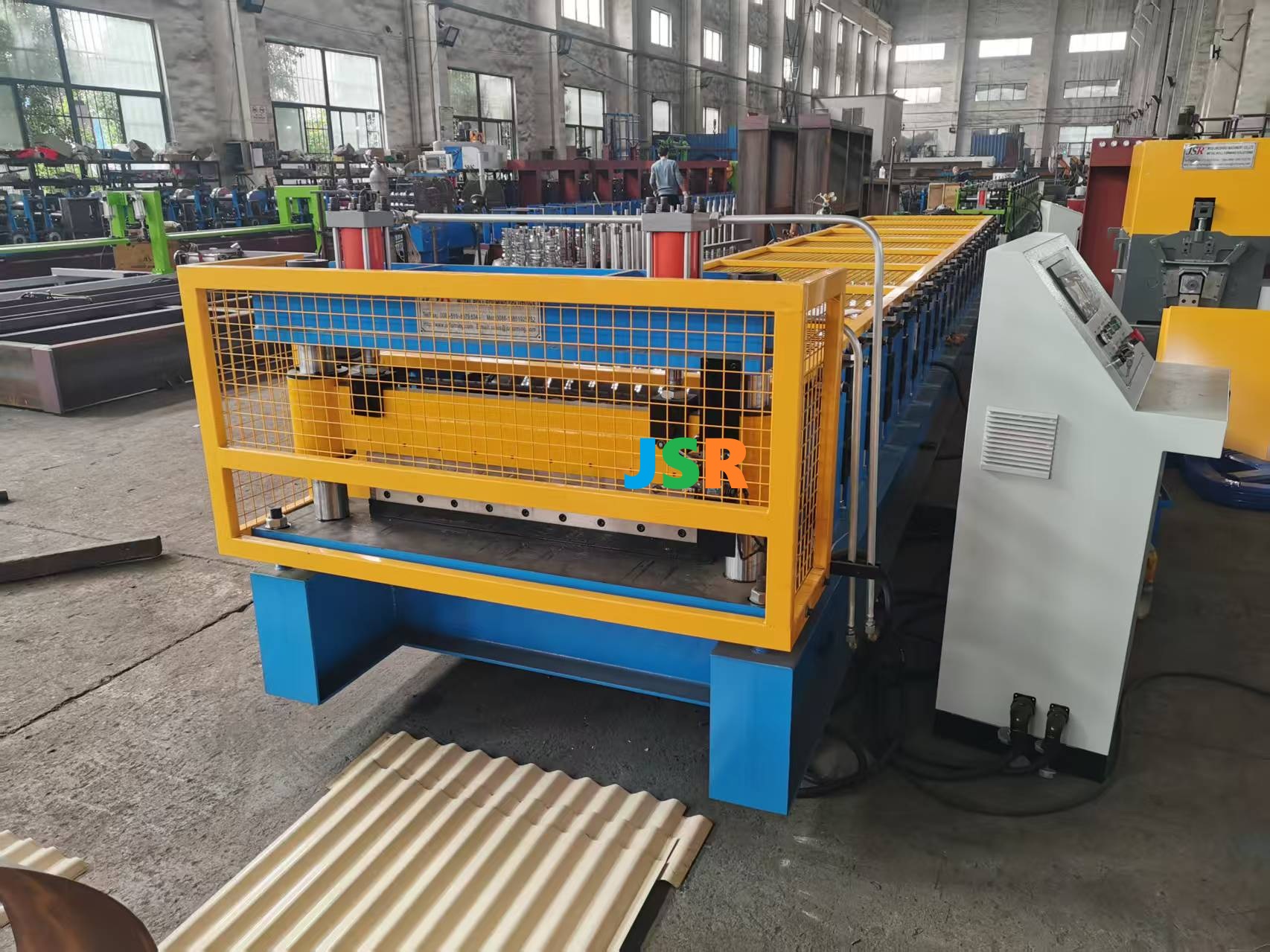
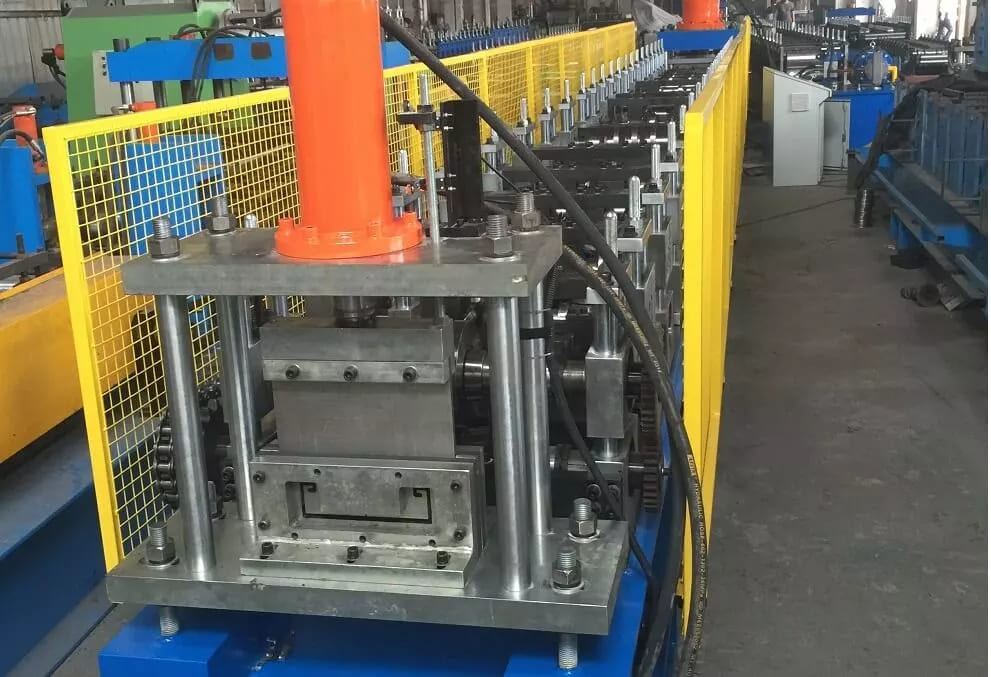
This is the most critical stage.
For example:
This gradual forming process ensures:
Many roll forming machines include a punching system for:
Two common types:
In advanced machines, punching is synchronized with production, improving efficiency.
After forming and punching, the profile is cut to the required length.
Cutting methods include:
The cutting system is controlled by PLC to ensure accurate length.
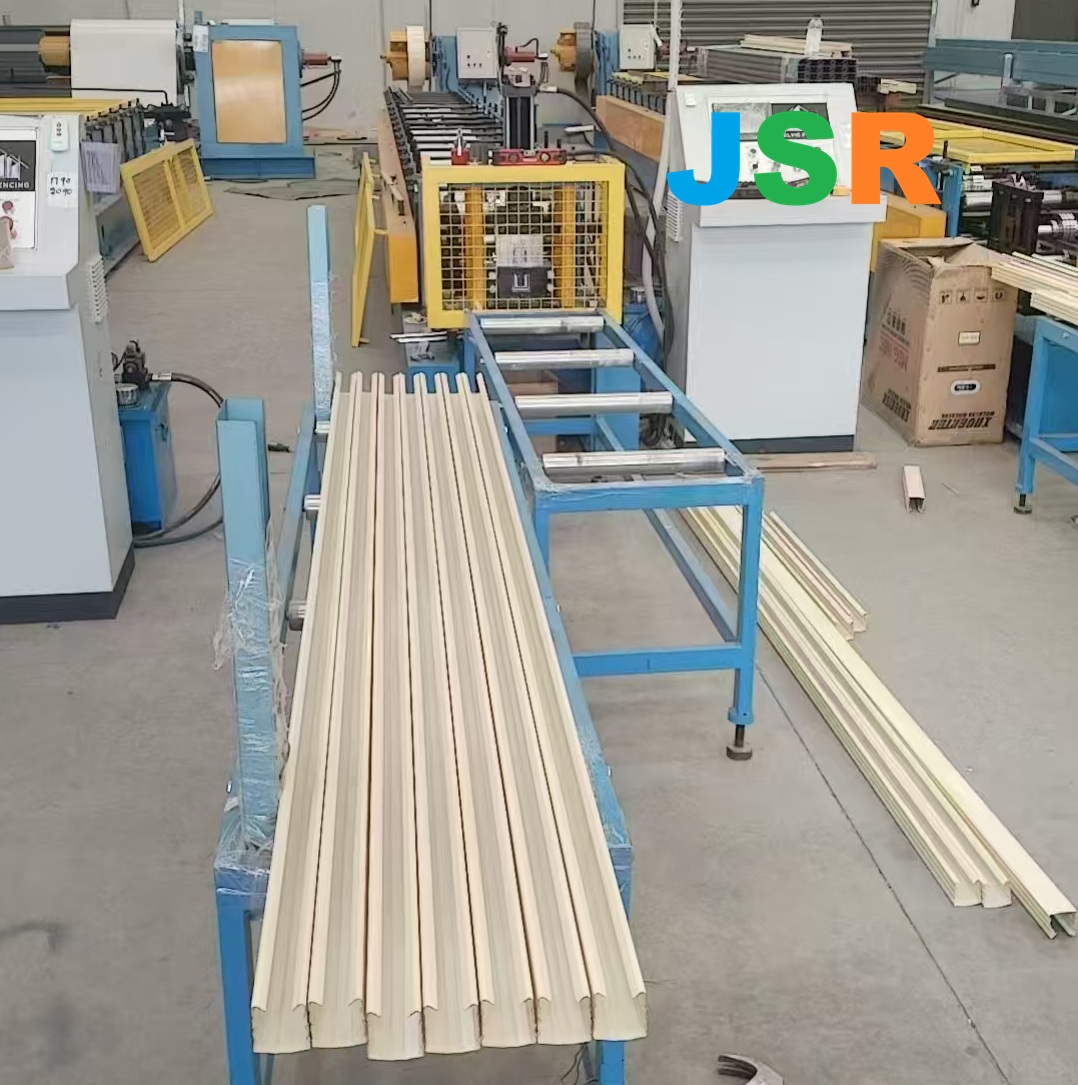
Finished profiles are delivered to an output table or automatic stacking system.
This ensures:
Modern roll forming machines, like those provided by JSR Roll Former, include:
These features significantly improve production efficiency and reduce manual operation.
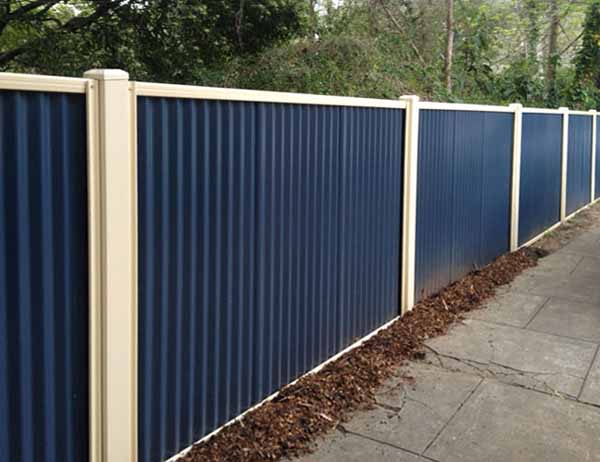
Roll forming machines are widely used in:
Typically between 10 and 20 stations, depending on the profile complexity.
Most machines operate between 15–35 meters per minute.
Yes, advanced machines support automatic size adjustment or interchangeable rollers.
Yes, it is ideal for continuous, high-volume production with stable quality.
JSR Roll Former provides reliable and high-performance roll forming solutions for global customers.
Key advantages include:
JSR machines are designed to meet the needs of modern metal processing industries.
Understanding how roll forming machines work helps manufacturers optimize production and choose the right equipment. With continuous automation and advanced technology, roll forming remains one of the most efficient methods for producing metal profiles.