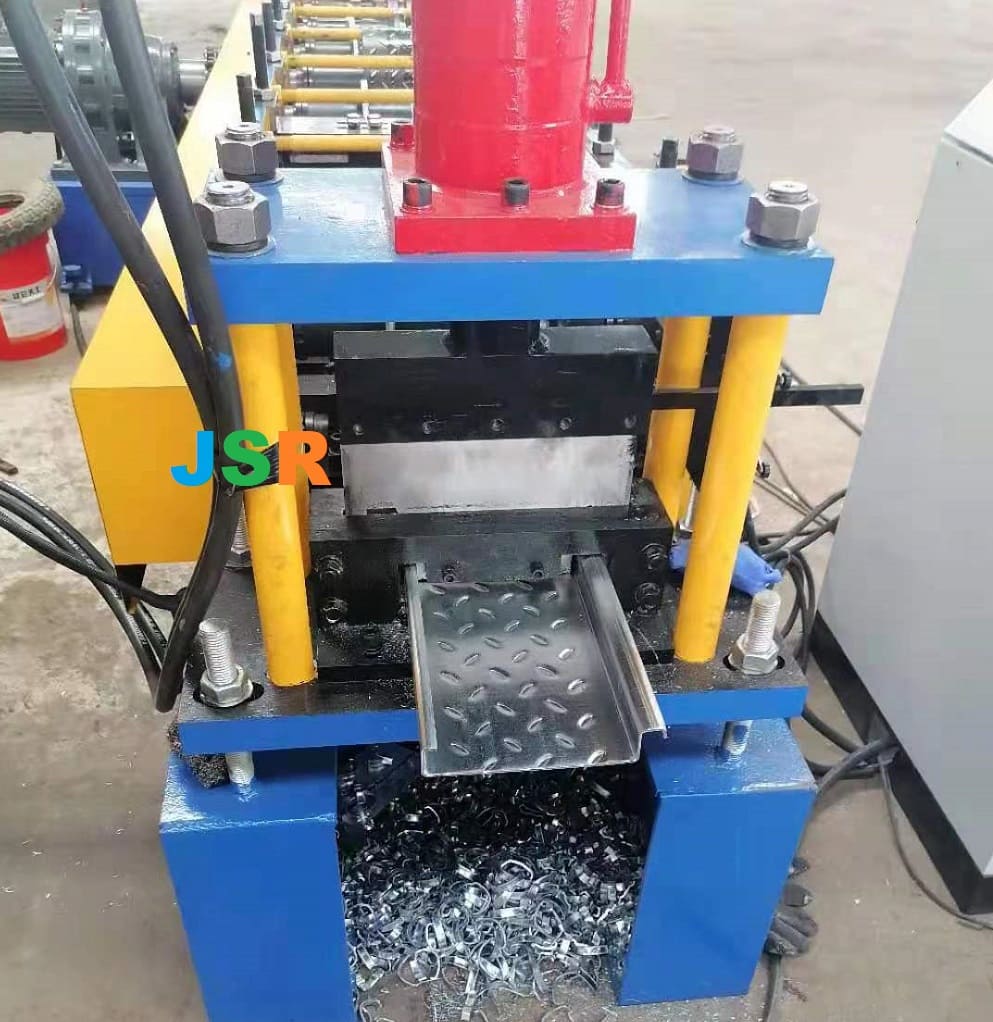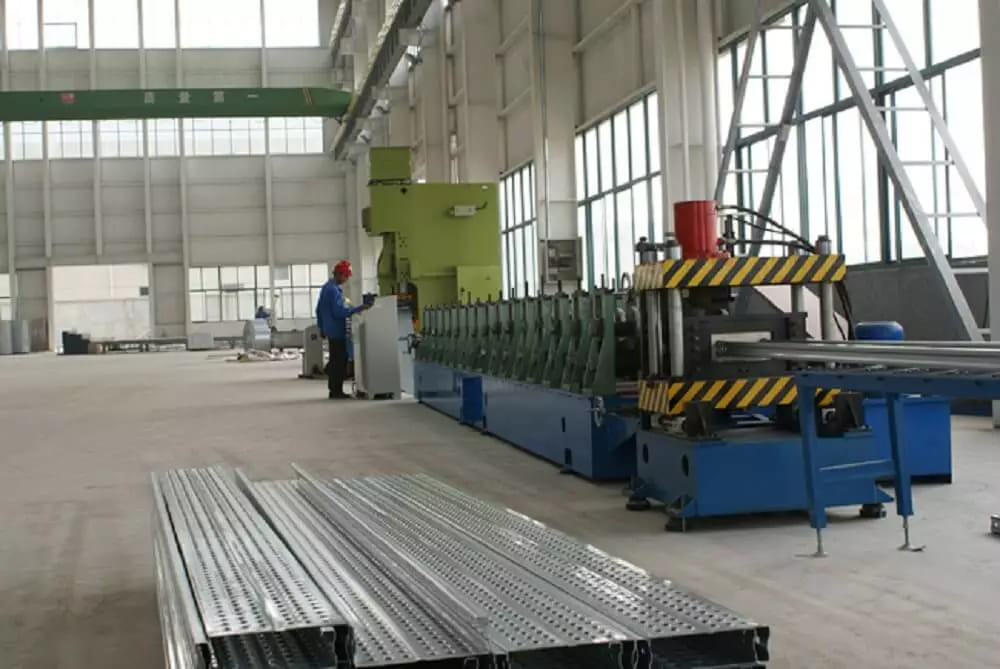

A scaffolding plank roll forming machine is used to produce steel planks or walk boards for scaffolding and access-platform systems. Buyers may also search for this category using terms such as scaffold plank machine, steel scaffolding plank machine, walk board roll forming machine, scaffold board machine, or scaffolding deck machine. On JSR’s site, this product family appears under names such as Scafforlding Planks Roll Former, galvanized perforated walkway planks machine, and steel walkway planks machine, which already tells you something important: this is a practical, jobsite-oriented product line with several naming variations depending on customer habit and application.
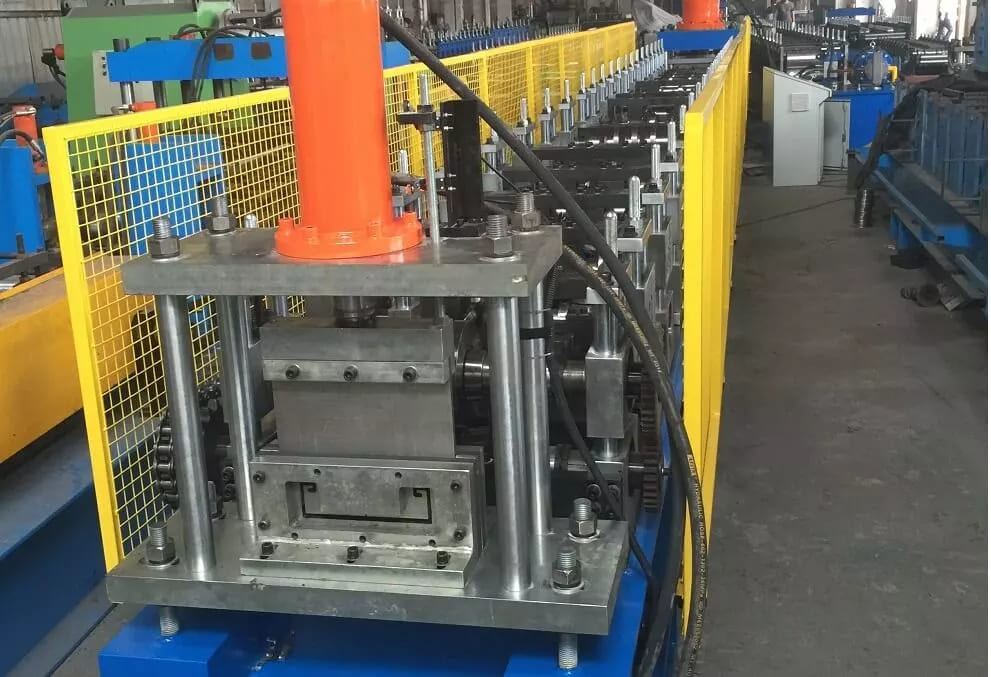
For manufacturers, a scaffolding plank roll forming machine is not just another custom-profile machine. It is equipment used to make working platforms that support workers in construction, industrial maintenance, and access systems. JSR’s own wording says the main function of steel plank is to provide the working studio or platform for workers, and it highlights anti-sliding holes and drainage holes as key product features.
A scaffolding plank is a steel platform element used in scaffold systems to create walking and working surfaces. In the market, buyers may also call the product:
JSR’s related pages describe these products as scaffolding planks, walkway planks, and walking board products, and specifically note perforated or embossed versions designed to improve worker footing and drainage.
That is why many searches in this category are not limited to one exact phrase. Some buyers search the machine by scaffold terminology, while others search by walk board or walkway terminology.
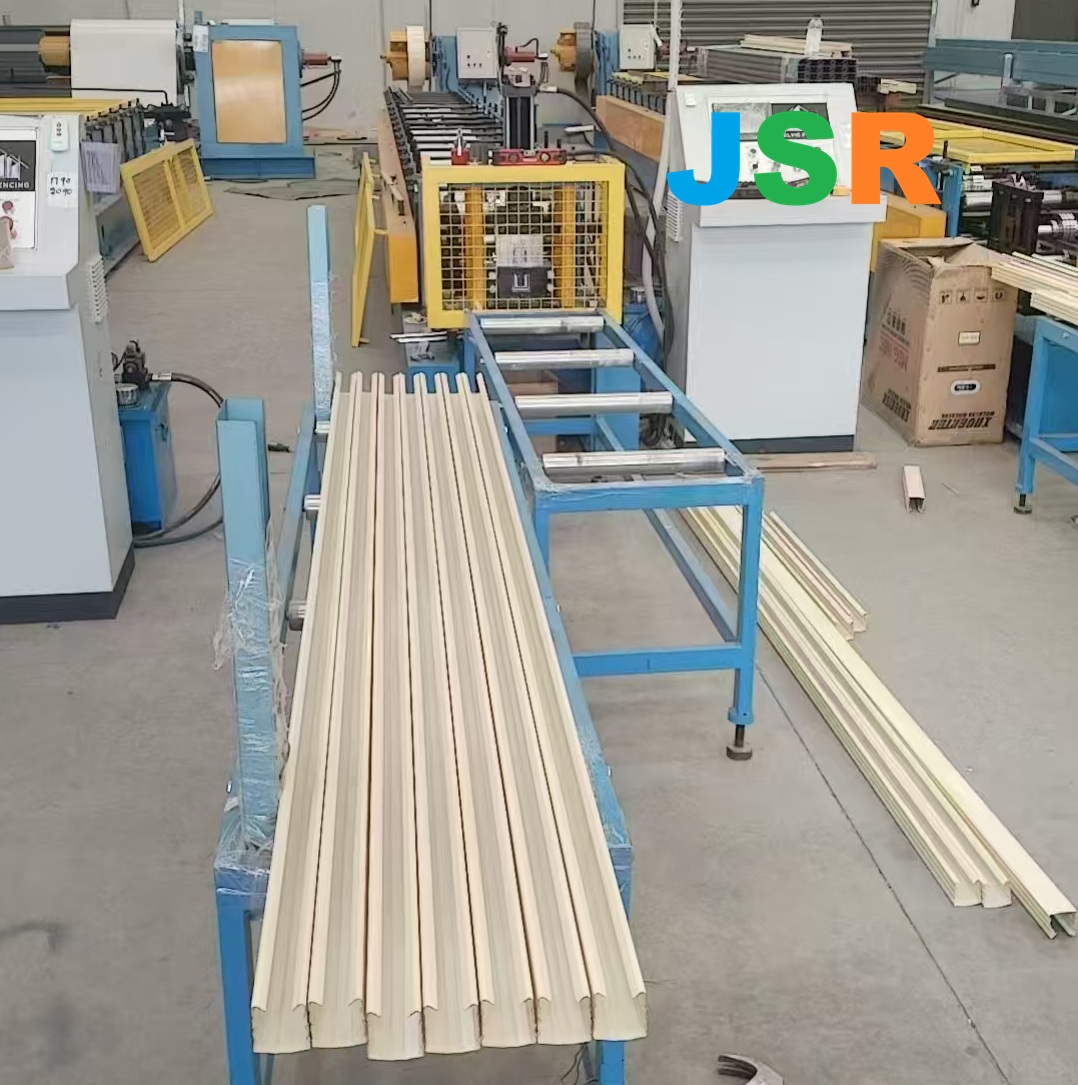
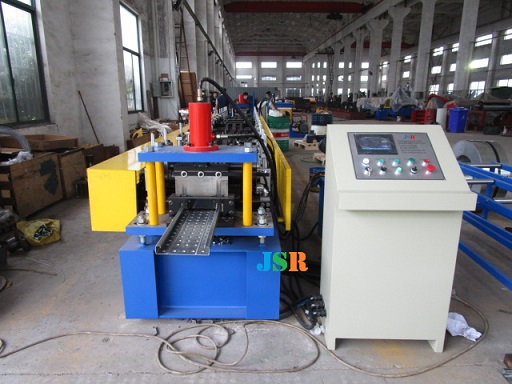
A scaffolding plank roll forming machine is an automated production line that forms steel strip or coil into scaffold planks through leveling, punching, roll forming, and cutting. JSR’s scaffolding plank pages describe a typical process as:
decoiler → material leveling → hydraulic punch → forming → cutting, with working speeds around 4 to 6 m/min in hydraulic-punch configurations. JSR also notes that if the machine uses a punch machine rather than hydraulic punch, speed may increase to around 10 m/min in some plank applications.
Depending on how buyers describe it, the same type of equipment may also be called:
A scaffold plank is a structural working platform product, not just a decorative profile. That means the plank must be formed with attention to:
JSR’s product wording repeatedly emphasizes perforated and embossed plank variants, with anti-sliding holes, drainage holes, and emboss rollers used in different machine designs. It also notes that gearbox transmission can be designed into the machine, and that hydraulic punch can be a more economical choice than a punch machine for some customer setups.
A weak scaffold board machine may produce planks with poor hole consistency, weak platform geometry, or surface features that are not commercially acceptable in access-system markets.
A scaffolding plank roll forming machine usually follows a clear sequence.
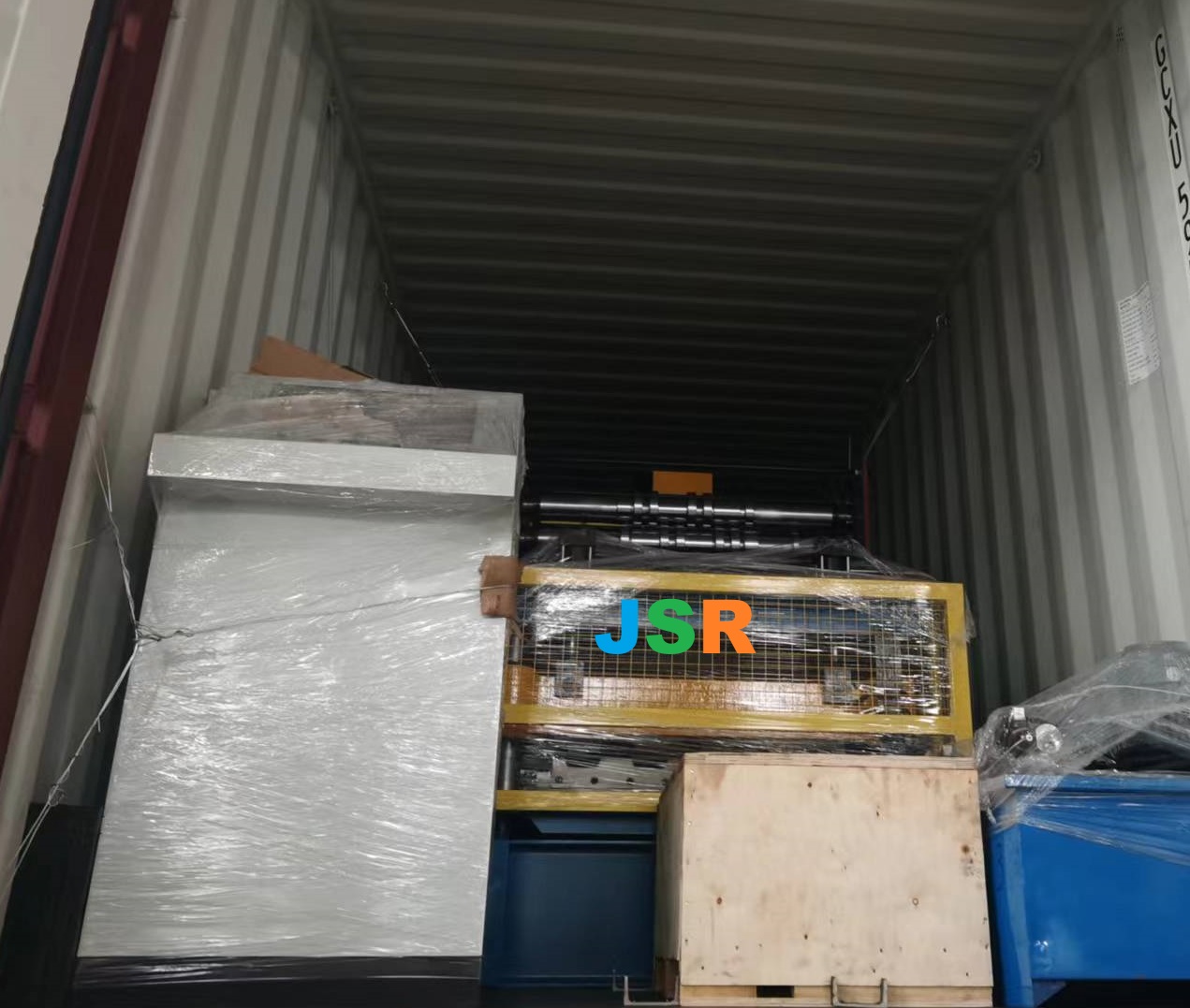
The steel coil is loaded onto the decoiler. JSR’s Saudi Arabia plank machine case mentions a 3 ton manual decoiler in a practical customer setup.
The strip passes through a leveling device to prepare the material for punching and forming. JSR lists leveling as part of the standard plank production process.
The strip is punched for anti-slip holes, drainage holes, or other profile requirements. JSR’s plank pages clearly state that steel plank products use anti-sliding hole and drainage hole patterns, and compare hydraulic punch with punch-machine solutions.
The strip passes through the forming section where it becomes the final scaffold plank or walk board shape.
The formed scaffold plank is cut to the required length. JSR’s Saudi Arabia page refers to a forming system with post cut.
Finished planks are transferred for inspection, stacking, or project delivery.
Depending on machine design, a scaffolding plank roll forming machine can produce:
JSR’s scaffolding pages explicitly distinguish between perforated scaffolding planks and embossed scaffolding planks or walkway planks, which is commercially useful because buyers may search those subtypes differently.
A scaffolding plank roll forming machine is commercially attractive for several reasons.
The output is part of access and working-platform systems, not just cosmetic construction materials.
A steel scaffolding plank machine serves a more focused market than many generic sheet machines.
Scaffolding systems are used repeatedly across construction and maintenance activity.
Manufacturers can target perforated planks, embossed walk boards, or related steel platform products depending on market demand. JSR’s own product pages support both directions.
Since the output is tied to jobsite access and platform use, the product family has stronger industrial seriousness than simple sheet products.
A scaffolding plank roll forming machine is used to make steel planks or walk boards used in scaffold and working-platform systems. JSR describes the main function of steel plank as providing the working platform for workers.
In practical buyer language, often yes. JSR uses naming such as scaffolding planks, walking board, walkway planks, and steel walkway planks across related pages.
JSR lists working speeds around 4 to 6 m/min for hydraulic-punch configurations and around 10 m/min in some punch-machine applications.
JSR specifically notes anti-sliding holes and drainage holes on steel planks, which are important for jobsite footing and drainage.
That depends on the design, but JSR clearly presents separate perforated and embossed scaffolding plank machine directions.
JSR states that hydraulic punch is more economical, while punch-machine solutions may achieve higher speed in some applications.
Yes. JSR shows customer/project references for Saudi Arabia and Israel in this category, which indicates export relevance.
You should prepare the plank profile drawing, width, thickness, hole pattern, embossing requirement, and target market use.
Primarily it serves construction and scaffold access systems, but the broader commercial logic also includes industrial maintenance and working-platform applications.
The biggest mistake is choosing a scaffold plank machine without clearly defining whether the market needs perforated planks, embossed walkway planks, or another access-board style.
A scaffolding plank roll forming machine is a practical and industrially relevant production line for manufacturers serving scaffold and working-platform markets. Whether buyers search for scaffold plank machine, walk board roll forming machine, steel scaffolding plank machine, or metal plank roll forming machine, the commercial opportunity is tied to one core product family: steel planks used for safe access and working support.
For companies looking to expand into more functional and project-oriented steel products, this category has clear practical value.