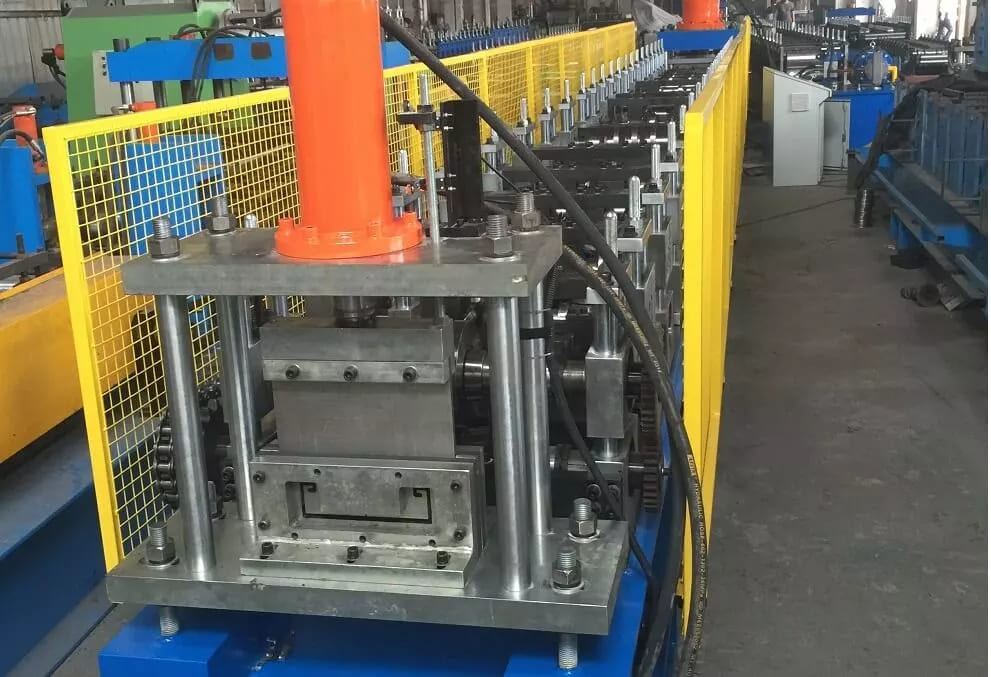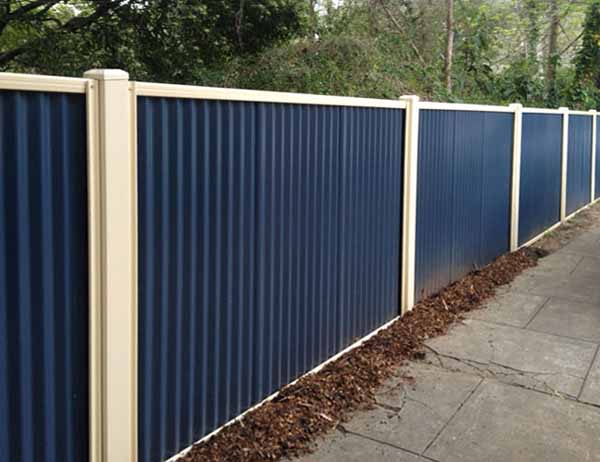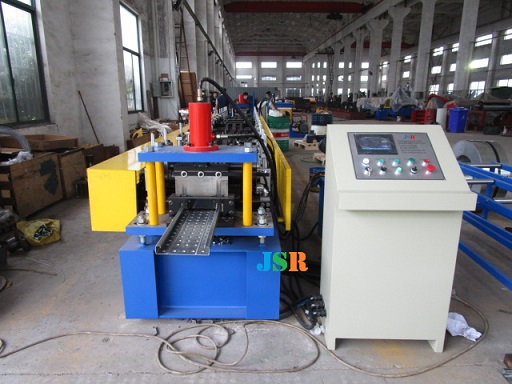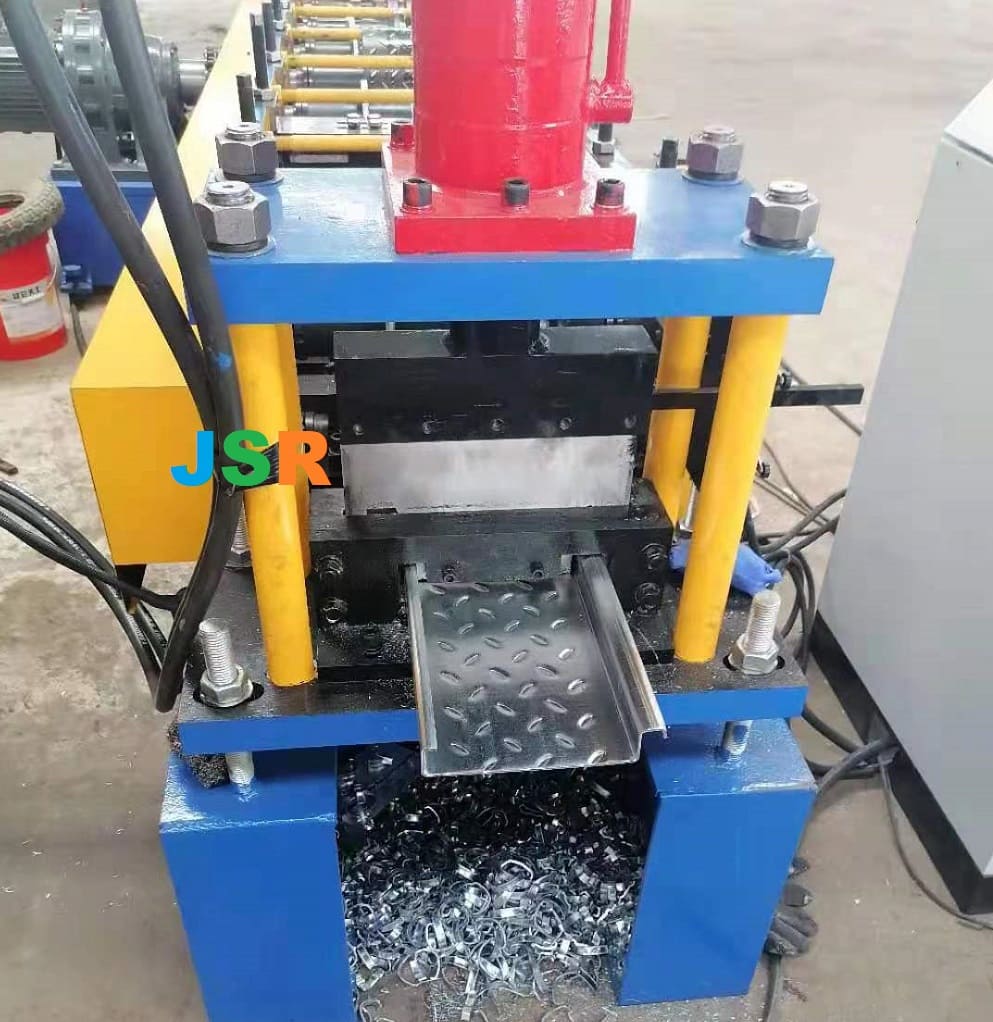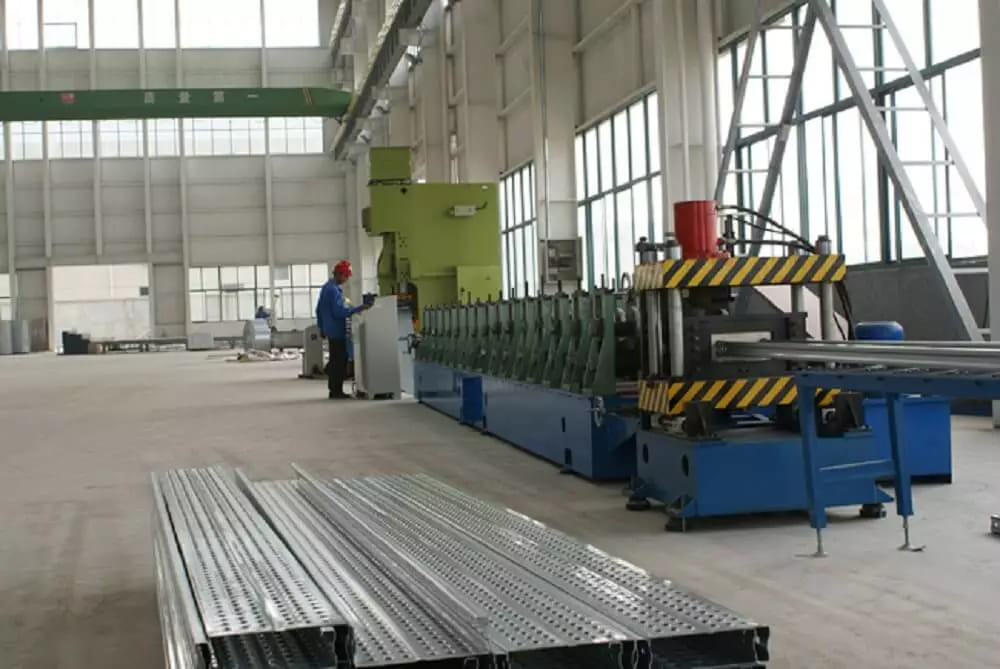

A metal fencing machine is used to produce metal fence components such as fence panels, fence sheets, fence posts, fence rails, and fence slats for residential, commercial, agricultural, and industrial boundary systems. Buyers may also search for this equipment using terms such as metal fence roll forming machine, fence panel roll forming machine, fencing sheet roll forming machine, fence rail roll forming machine, or metal fence post machine, depending on which part of the system they plan to manufacture.
JSR’s existing fencing pages already show that this category is not just one machine. In its Australia fencing content, JSR clearly states that manufacturers usually need three machines to make the full fencing system: one machine for fencing sheet, one for fencing post, and one for fence rail. That single detail is very important, because it tells buyers that a metal fencing machine business is often a system business rather than a one-profile business.
For manufacturers, a metal fencing machine is attractive because fencing products serve a practical and repeatable market. Fence systems are used for privacy, security, site division, boundary marking, visual enclosure, and architectural outdoor design. That makes this category commercially relevant in both domestic and export markets.
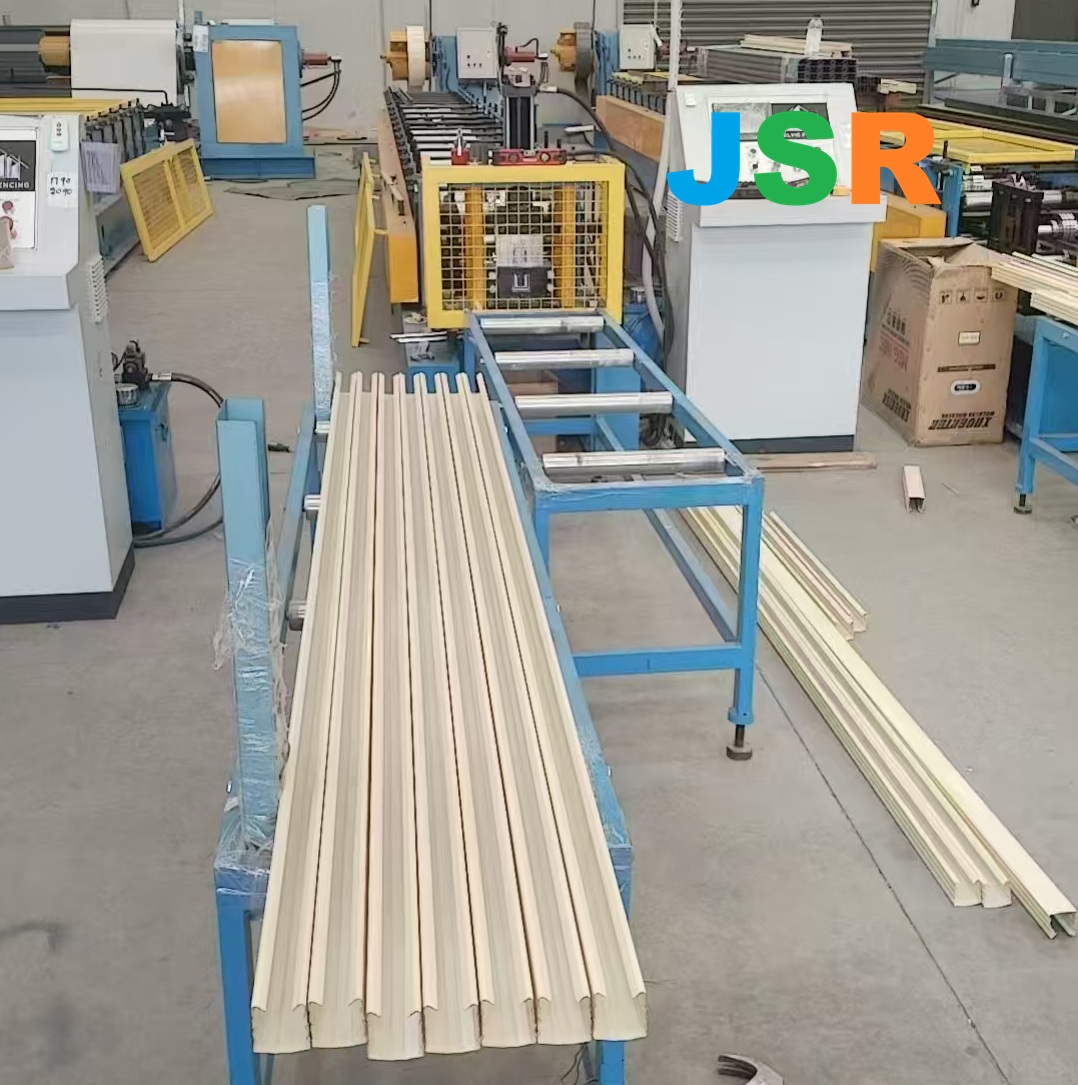
A metal fence system is a boundary or enclosure structure made from steel or colored metal components. Depending on the market, the system may include:
JSR’s own fencing pages reflect this system structure directly. The Australia fencing pages describe separate machine lines for sheet, post, and rail, while the U-shape capping page shows that some fence systems also require framing or top-edge capping profiles. https://www.jsrrollformer.com/fencing-rails-roll-forming-machine/
This is why buyers often do not only search for one general term like metal fencing machine. They may also come in through more specific long-tail phrases such as:
A metal fencing machine is an automated roll forming line used to produce one or more profiles required in a metal fence system. In practical sales language, the term can refer to a general fence-panel line or to a more specific machine such as:
On JSR’s pages, these different machine types appear under different fencing cases and product examples rather than under one single universal machine page. That reflects how the real market works: different fence systems use different profile families.
A fence profile may look simple from a distance, but the machine still needs to deliver:
JSR’s different fencing pages show how much product variation can exist in this category. One page describes a corrugated metal fence panel machine, another covers metal fence posts, and another shows Sipca Metalica gard metal fence slats with a special cut that creates one top round edge. https://www.jsrrollformer.com/sipca-metalica-gard-metal-fence-forming-machine
That means a metal fence roll forming machine is not simply a generic sheet line. It is usually tailored to the exact fencing profile that the buyer’s market already uses.
A fence panel roll forming machine typically works through these steps:
The colored steel coil or galvanized material is loaded onto the decoiler. JSR’s fencing pages commonly describe systems that include a manual decoiler.
The strip enters the line in a controlled and stable way.
The strip is gradually formed into the target fence profile, such as a sheet, panel, slat, rail, or post.
The finished fence section is cut to the required length. JSR’s Sipca metal fence page highlights a special cut design used to create a rounded top edge.
The formed fence component moves to the run-out table for collection and stacking.
JSR’s fencing content repeatedly lists core machine sections such as manual decoiler, machine body, hydraulic station, PLC controller, and run-out table, which gives a clear practical picture of how the line is set up.
Depending on the machine configuration, the broader metal fencing machine category can produce:
JSR’s own fencing-related content supports all of these directions. The Australia fencing pages show sheet, post, and rail production; the Sipca page shows metal fence slats; the U-shape capping page shows fence frame or capping production.
A metal fencing machine is commercially attractive for several reasons.
Fence products are easy for customers to understand.
A fencing business can extend beyond one panel into posts, rails, and capping profiles.
JSR’s fencing pages show clear Australia-facing products and also mention developing new fencing machines for Canada markets.
Fence products are visible final building elements, so profile neatness matters.
A steel fence panel machine can serve privacy fencing, site boundary fencing, cladding-style fencing, and decorative metal fencing.
A metal fencing machine is used to produce fence system profiles such as fence sheets, panels, posts, rails, and slats. JSR’s Australia fencing pages clearly show these system parts as separate production outputs.
In many buyer contexts, yes, but the exact meaning depends on whether the buyer wants only the fence sheet/panel or the full fence system.
JSR explicitly states that one common setup needs three machines: one for the fencing sheet, one for the fence post, and one for the fence rail.
JSR’s corrugated metal fence panel machine page lists suitable thickness around 0.3–0.7 mm.
JSR’s fence panel and fence post pages commonly list 15–20 m/min.
It is a machine used to produce narrow fence slats or similar profiles. JSR’s Sipca metal fence page says the machine makes metal fence slats automatically.
Yes. JSR’s metal fence and capping pages show applications relevant to privacy-style and framed fence systems.
Prepare the fence profile drawing, panel style, material thickness, target market, and whether you need only the fence sheet machine or the full sheet-post-rail set.
Yes. JSR’s fencing pages are strongly export-oriented, especially for Australia, and they also mention Canada-related development.
The biggest mistake is buying only one fence panel roll forming machine without confirming whether the market also requires matching post and rail production.
A metal fencing machine is a practical and commercially relevant production solution for manufacturers serving outdoor boundary, privacy, and site-enclosure markets. Whether buyers search for metal fence roll forming machine, fencing sheet roll forming machine, corrugated metal fence panel machine, or fence slat roll forming machine, the opportunity is built around the same idea: producing reliable and market-matched fence system profiles.
For businesses that want to move into visible finished products with export potential and system-sales logic, this category is a strong fit.