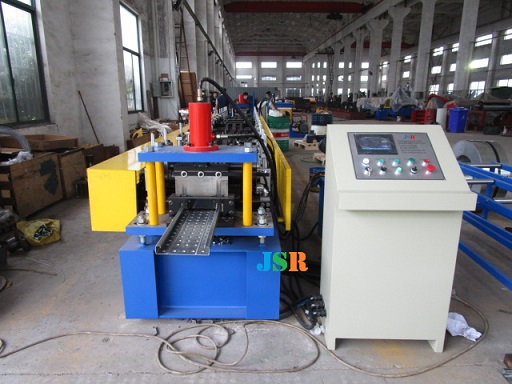

For manufacturers looking for a practical product family beyond roofing and basic profiles, shutter door production remains a strong business opportunity in 2026.
A shutter door roll forming machine produces products used in rolling shutter, roll-up door, and similar door systems that serve security, convenience, and space-saving needs. On JSR’s site, the category is positioned around roll-up shutter door, door guide rail, and rolling shutter door bottom, which reflects how this market operates in practice: not as a single-profile business, but as a system-oriented product line.
Whether buyers search for rolling shutter door machine, roller shutter door machine, roll up door machine, or shutter slat roll forming machine, the core opportunity is the same: producing practical building-access products used in commercial, residential, and industrial openings.
A shutter door roll forming machine remains relevant because shutter doors serve a clear functional need.
They are used where buildings require:
These are not temporary trends. They are everyday building needs, which is why the rolling shutter door machine category continues to hold real commercial value.
A roller shutter door machine supports products used in:
This wide application base helps make shutter door production commercially durable.
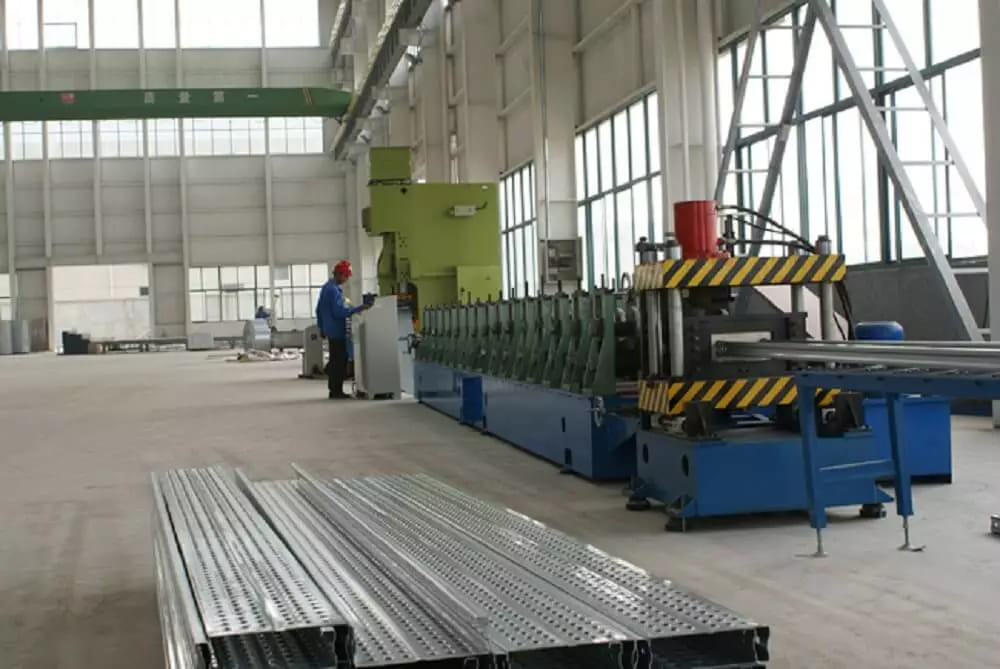
A shutter slat roll forming machine supports products used where physical closing protection matters.
Shutter doors remain practical in many settings where side-opening doors are less convenient.
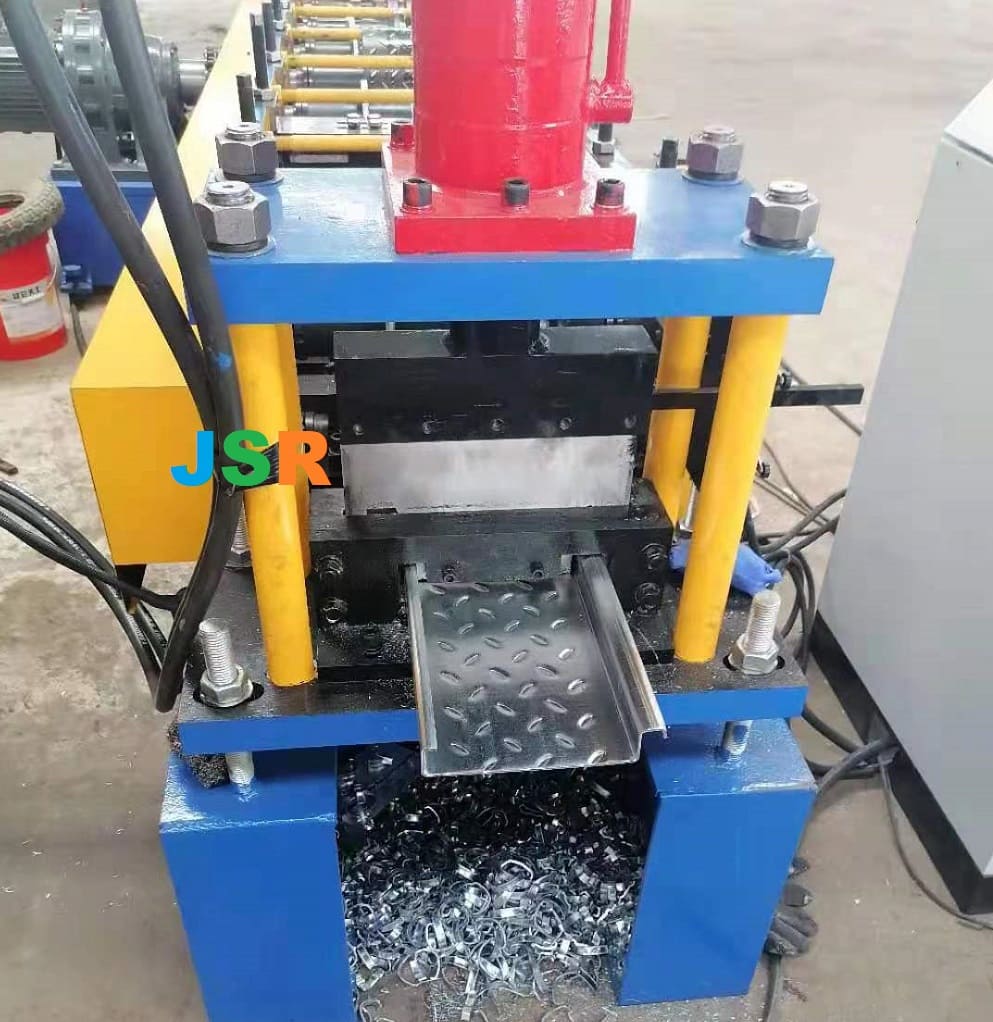
JSR’s slat-machine content shows market demand can include hole punching, logos, wear strips, and bottom bar features, which creates room for more specialized production.
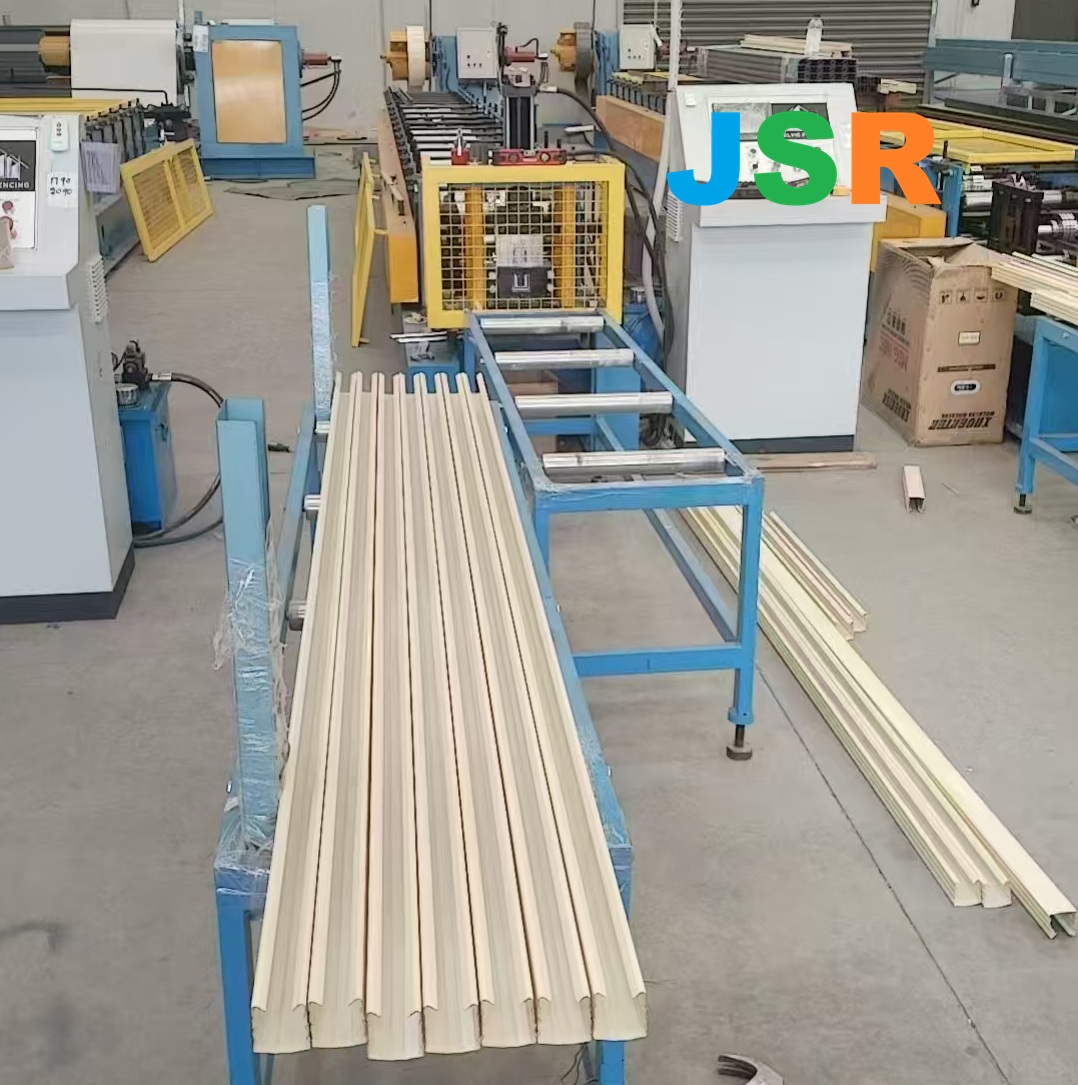
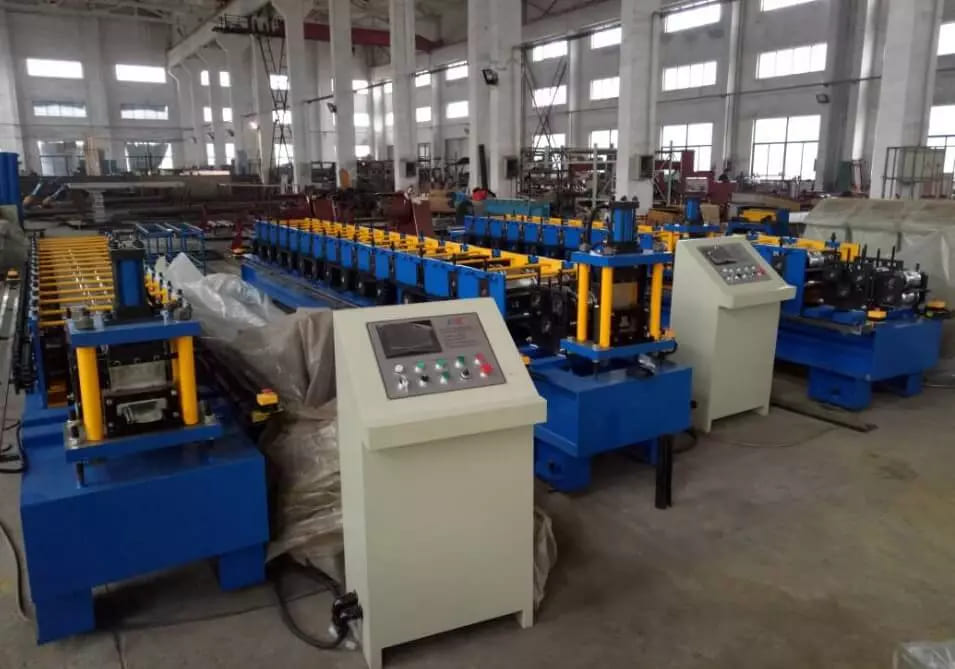
A shutter door roll forming machine business can expand from slats into guide rails and bottom bars, which supports stronger system sales.
JSR’s related content such as door track forming machine and shutter video pages shows that this category can connect naturally to adjacent profile products.
It can be both.
Some manufacturers use a rolling shutter door machine to compete in volume-driven slat production.
Others position their shutter door forming machine business around:
That means the business can compete not only on price, but also on system completeness and product customization.
A shutter door roll forming machine serves a product that solves a practical building problem.
Unlike some simpler profile categories, shutter-door production often allows multi-part product sales.
A manufacturer can begin with a rolling shutter slat machine and expand toward rails, bottom bars, and related profiles.
JSR’s case pages show that customer-specific punching and accessory features can be part of the product offering.
This category can serve local contractors, distributors, installers, and export buyers.
A shutter door roll forming machine is especially suitable for:
It can be especially attractive for companies that already understand local building openings, shopfront demand, or warehouse door systems.
Some buyers underestimate how many related profiles a shutter-door business may need.
A shutter slat roll forming machine is only a good investment if the market actually needs that slat style.
Poor slat consistency or badly matched rails can reduce the value of the final door system.
Not every market needs a full multi-machine shutter-door setup immediately.
A strong shutter door roll forming machine business usually depends on understanding how slats, rails, and bottom sections fit together.
Yes. One reason shutter door production is attractive is that it can lead naturally into related profile categories such as:
JSR’s own site already shows these adjacent categories through its shutter pages, India case, and dedicated door track forming machine page.
That makes the shutter door roll forming machine category a useful gateway into a wider profile business.
Yes. In many markets shutter door production remains commercially useful because it serves security, access, and closure needs in shops, garages, and industrial buildings.
No. A shutter door roll forming machine can also support garage, warehouse, workshop, and industrial door applications.
Because rolling shutter systems remain practical for security and space-saving building access.
Sometimes yes. It can be a practical entry point if the market buys slats separately.
Often yes. JSR’s own case content shows separate machines for shutter door profile, guide rail, and bottom section.
Yes. JSR highlights punched logos, holes, and bottom-bar features in shutter slat production.
Yes. Shutter-door products can be attractive in export markets where rolling door systems are widely used.
The biggest risk is investing in the wrong product scope without understanding whether the market buys slats, full systems, or customized components.
Yes. It can expand into guide rails, bottom bars, and related track products.
Stable profile quality, system understanding, customization capability, and practical production support.
A shutter door roll forming machine can still be a very good business investment in 2026 because it supports a practical and system-based product family used in many building-access applications.
Whether buyers search for rolling shutter door machine, roller shutter door machine, roll up door machine, or shutter slat roll forming machine, the opportunity is built on the same business foundation: making reliable profiles for doors that people use every day.
For manufacturers who understand whether their market wants slats only or fuller shutter-door systems, this category remains commercially relevant and expandable.