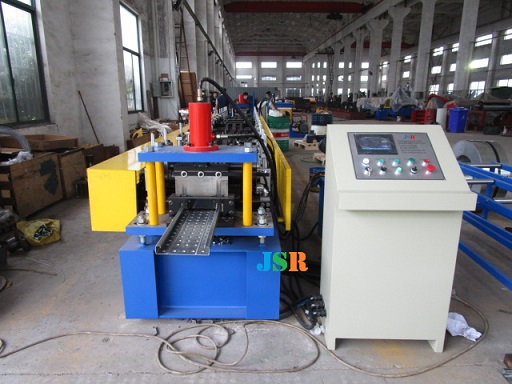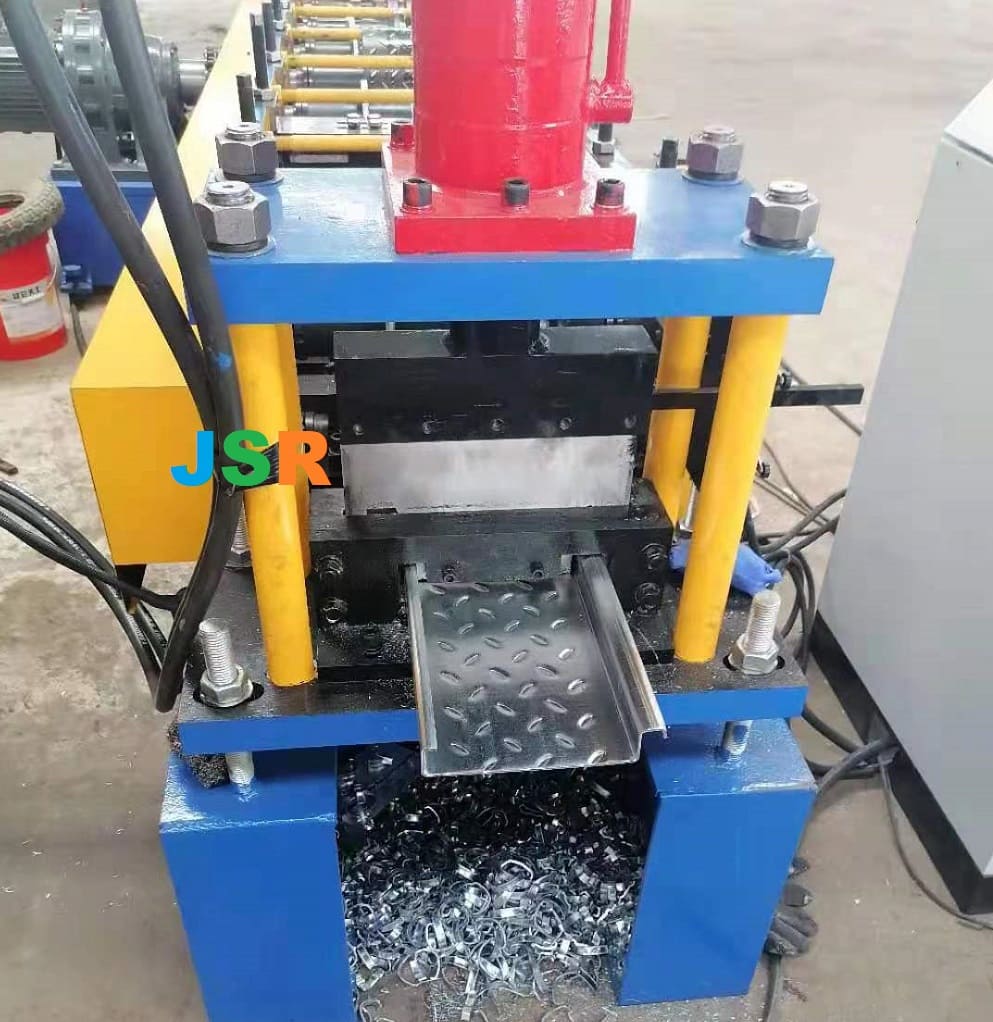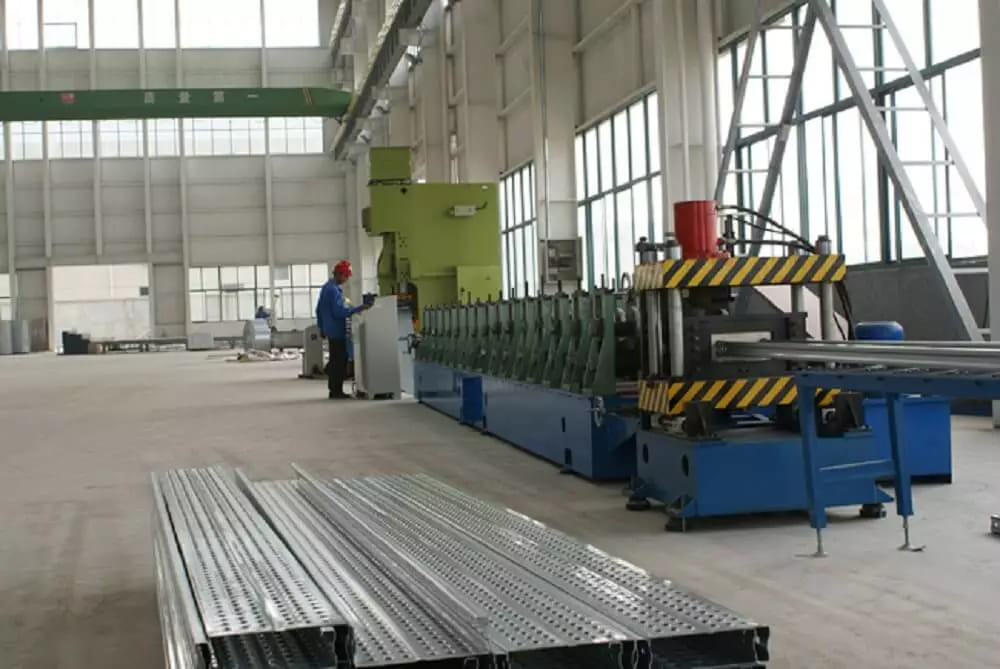

For buyers entering the rolling shutter product market, machine cost is one of the first major questions. But the price of a shutter door roll forming machine depends on much more than the product name.
A rolling shutter door machine can range from a simpler single-profile line to a more complete system-oriented purchase involving slats, guide rails, and bottom sections. JSR’s own case content makes this clear by showing customers who purchased separate machines for roll up shutter door, door guide rail, and rolling shutter door bottom.
Because of that, a serious buyer should not ask only, “How much is the machine?” The better question is, “What part of the shutter door system do I need to produce, and what machine level fits that business?”
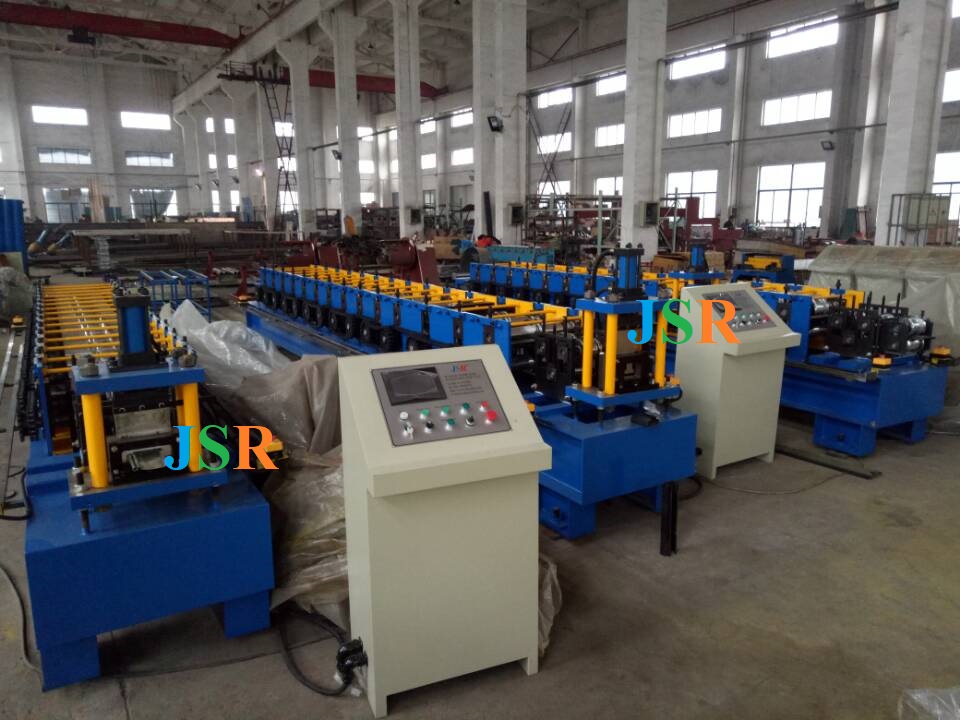
The price of a shutter door roll forming machine varies because this category covers different production scopes.
Some buyers want only:
Others want:
A quotation for one profile line is very different from a broader shutter-system production plan.
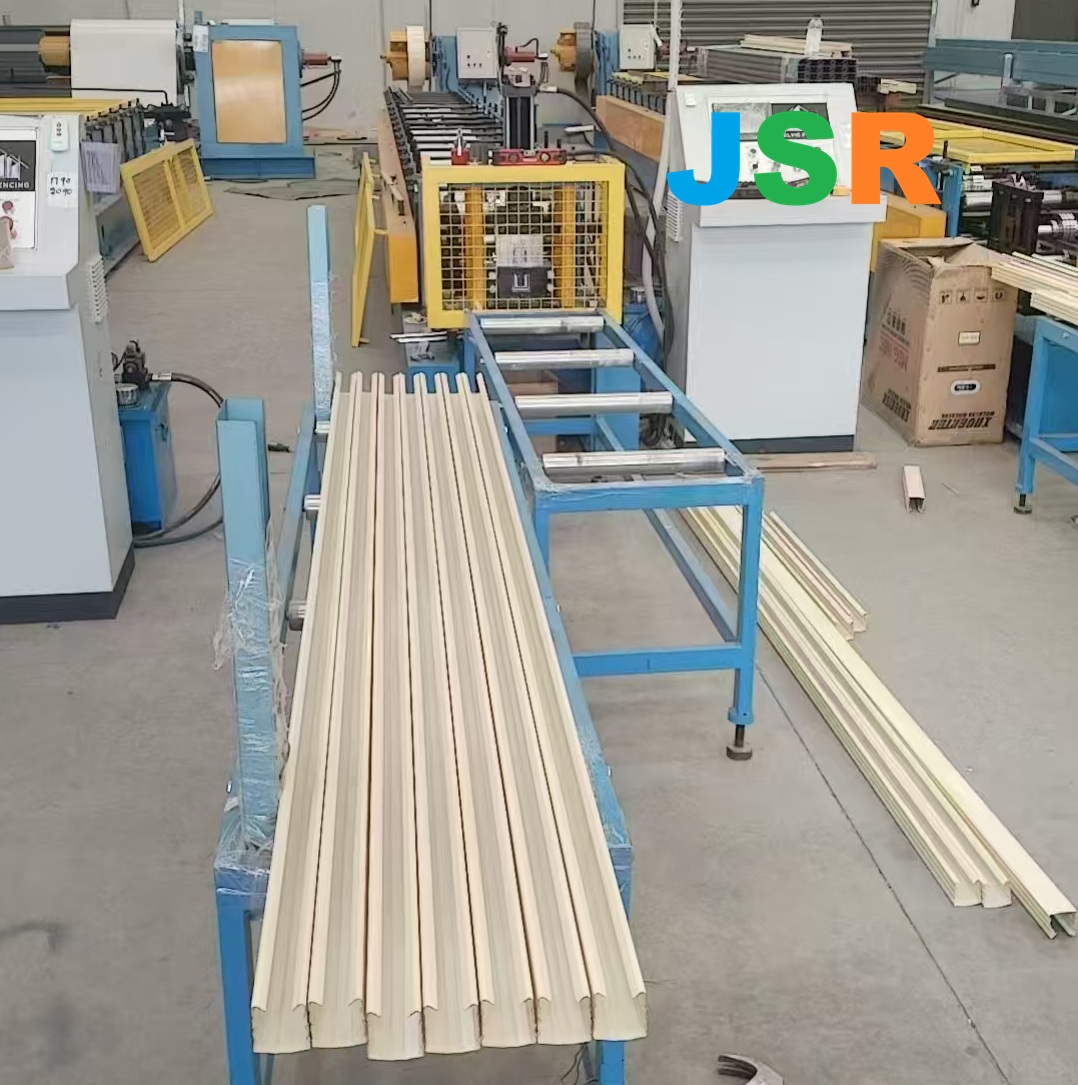
A rolling shutter slat machine is different from a door guide rail roll forming machine or roller shutter bottom bar machine. JSR’s India case directly shows these as separate machine purchases.
A more customized shutter slat roll forming machine may need extra features. JSR’s slat content mentions custom logo punching, hole punching, C-profile wear strips, and specialized bottom-bar functions.
A roller shutter door machine built for heavier-duty applications may require stronger forming and more robust machine construction.
Some buyers need a faster shutter door forming machine for volume output. Higher speed can raise price because it requires stronger motors, better control, and more stable line design.
A machine with stronger PLC control, better feeding coordination, or improved production handling will usually cost more.
If the rolling shutter slat machine includes hole punching or logo punching, the machine cost increases.
If the buyer plans a broader shutter-door product family rather than only one profile, the total investment naturally becomes larger.
JSR’s main shutter door product page describes a basic rolling shutter door machine setup as including:
This is useful because it shows that even a “basic” shutter line already includes several core production sections. Buyers comparing offers should therefore compare the full included system, not only the machine title.
A low-cost rolling shutter door machine may sound attractive, but if it cannot maintain:
then the real commercial cost becomes much higher later.
This matters even more in shutter-door production because the final product is a moving system. Poor profile consistency affects not just appearance, but also assembly and performance.
For many manufacturers, yes.
A shutter door roll forming machine can be a practical entry product for buyers who want to serve security-door, storefront, warehouse, and light industrial access systems.
Compared with some heavy structural machines, a roller shutter door machine can offer:
This is especially true for buyers who do not want to sell only one plain profile, but a complete shutter system family.
When evaluating a shutter door roll forming machine, buyers should also consider:
If the business plan includes a broader roll-up shutter system, the buyer should budget for the full product family, not only for one slat machine.
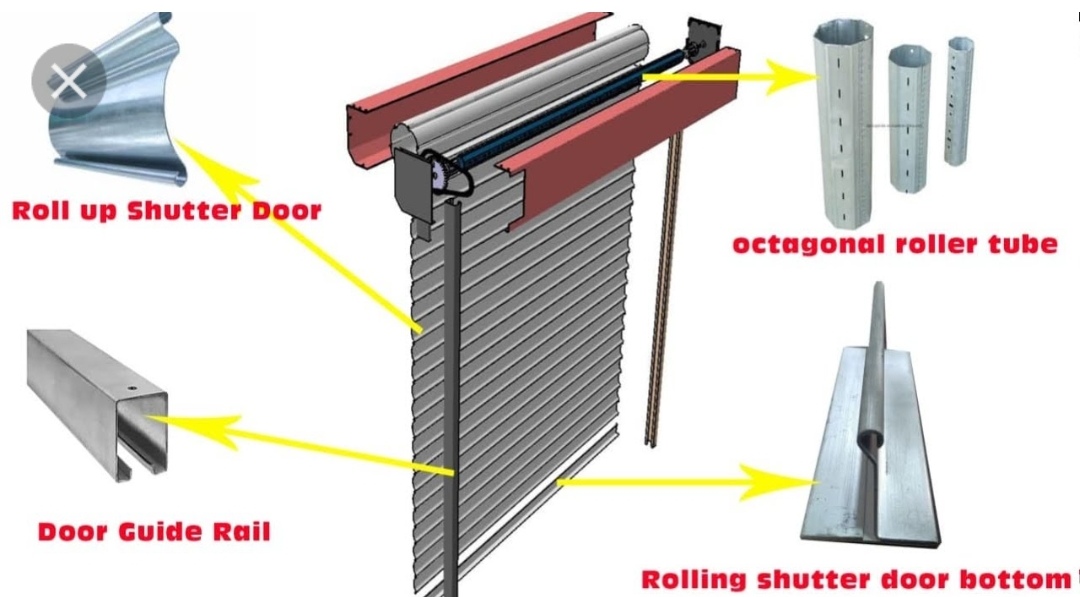
A more focused shutter slat roll forming machine may suit buyers who:
This can be a practical first step when the product direction is clear.
A stronger rolling shutter door machine is usually better for buyers who:
For these buyers, line stability and system planning matter more than the cheapest quote.
No. The cost depends on whether the machine is for slats, guide rails, bottom bars, or a broader shutter system.
Usually the biggest factors are product scope, profile complexity, punching requirements, speed, and machine quality.
Yes, usually. A single slat line costs less than a business plan that includes slats, guide rails, and bottom sections.
Not always. JSR’s own case page shows separate machines for door guide rail and shutter bottom.
No. JSR’s slat-machine content shows punching is often a customized requirement.
It is related equipment for track-style door profiles. JSR has a dedicated door track forming machine page for this kind of application.
Yes, if the buyer clearly knows which part of the shutter-door system the market needs.
You should prepare the slat or rail drawing, thickness, punching needs, profile size, and whether you want one machine or a system solution.
They may cover only one profile, less automation, or lower customization capability.
Buying a shutter door roll forming machine without confirming whether the market needs only slats or a more complete shutter system.
The cost of a shutter door roll forming machine depends on the actual shutter-door business model behind it. A single shutter slat roll forming machine is not the same investment as a fuller rolling shutter door machine plan that includes rails, bottoms, and additional customization.
For buyers entering this category, the best machine is not simply the cheapest one. It is the machine or machine set that matches the exact shutter-door products the target market will buy.