
When buyers first enter the shutter-door industry, one of the biggest strategic decisions is this:
Should I start with only a rolling shutter slat machine, or should I build a fuller shutter door production line?
This is not just a machine-selection question. It is a business-model question.
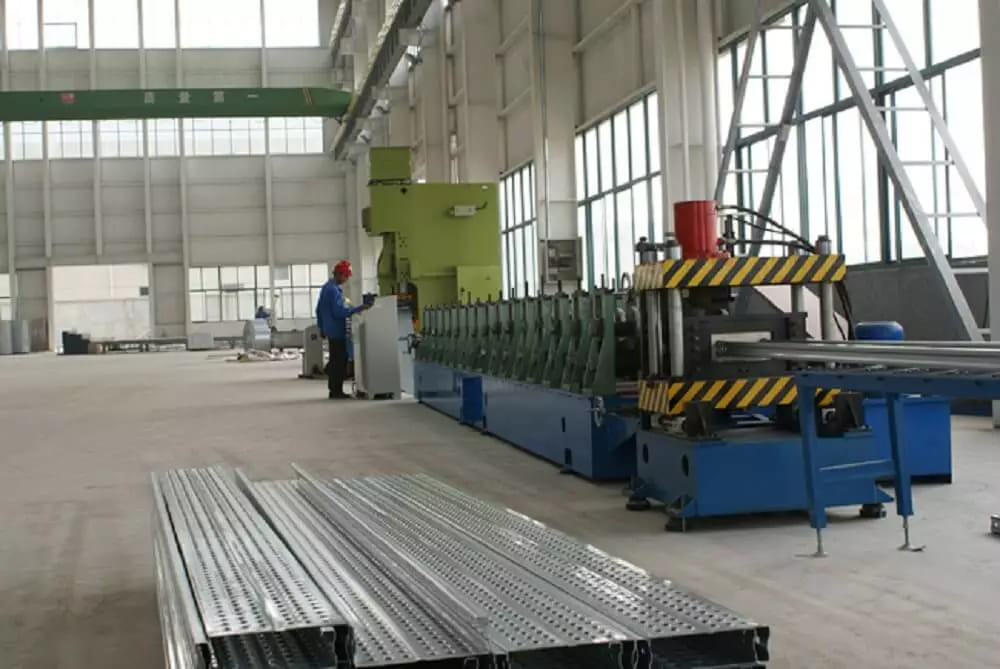
A rolling shutter slat machine focuses on the main curtain profile. A fuller shutter door roll forming machine business may include:
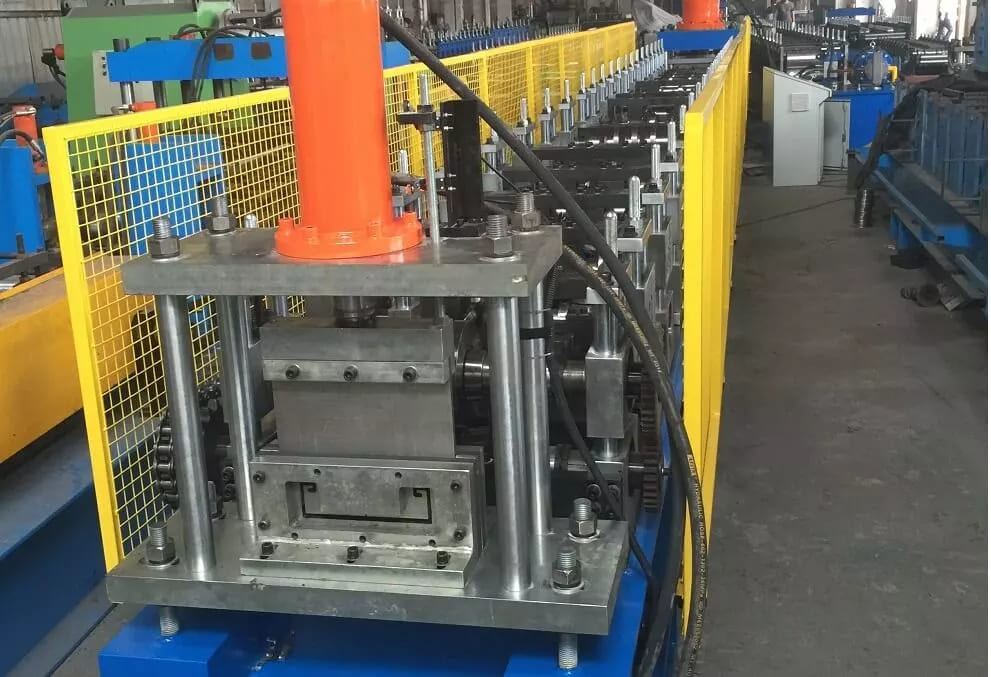
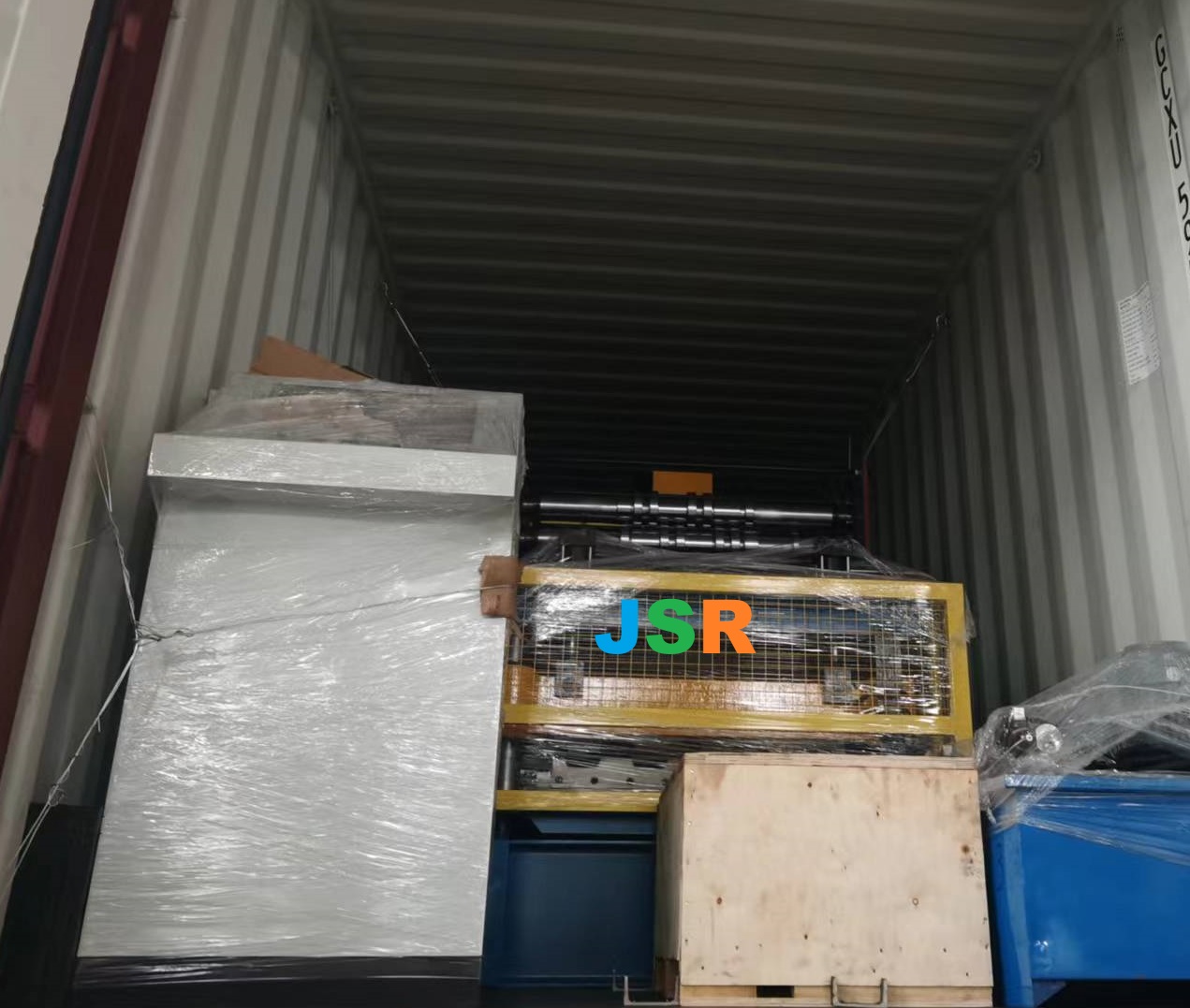
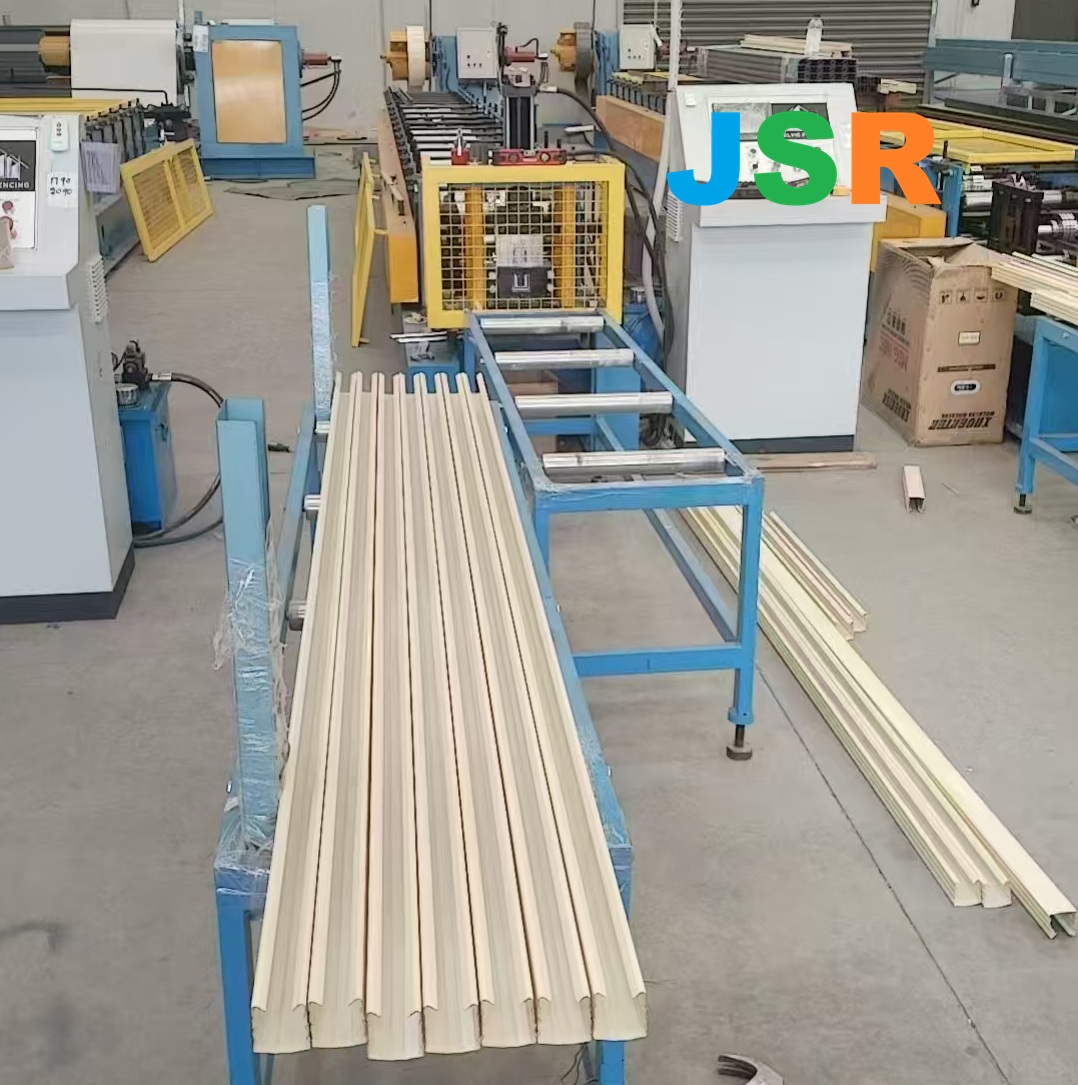
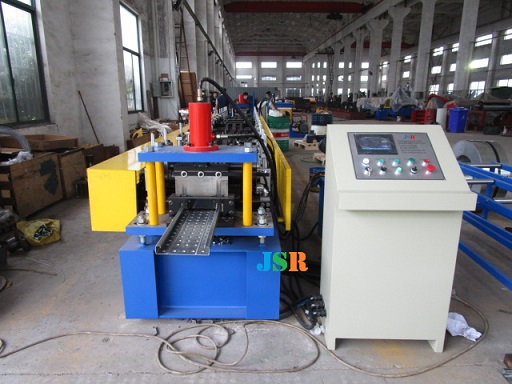
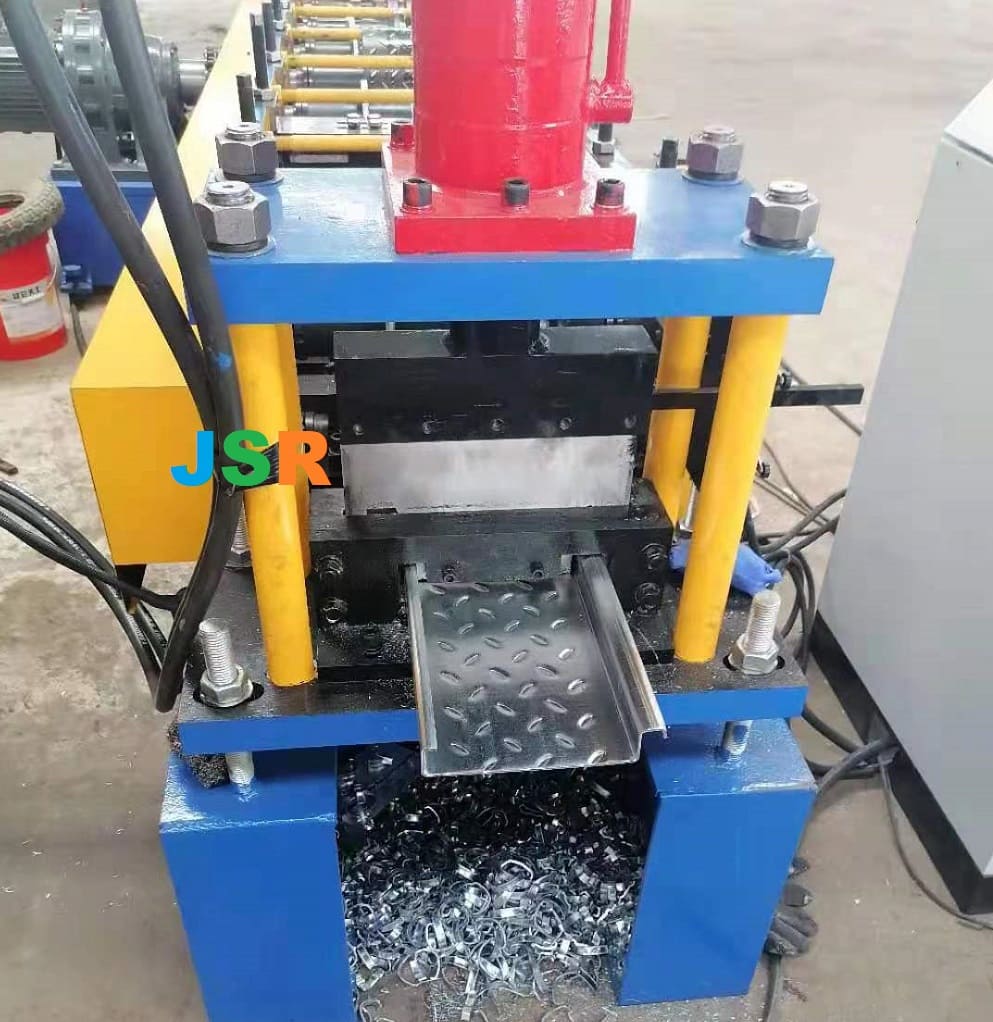
JSR’s own case examples make this difference very clear, because they show customers buying separate machines for shutter slats, guide rails, and shutter bottoms.
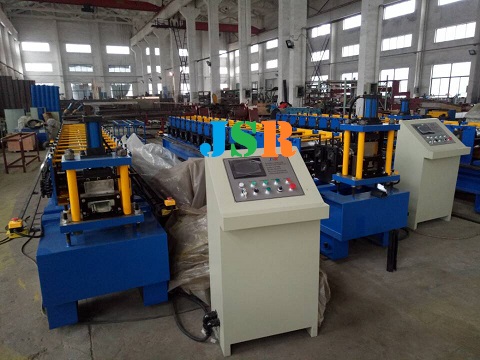
A rolling shutter slat machine is used to produce the slats that form the shutter curtain. This is the visible and moving section of the rolling shutter door.
JSR’s slat-related case content also shows that slat production may involve custom requirements such as:
That means even a “simple” shutter slat roll forming machine can still serve customized product needs.
A fuller shutter door roll forming machine business usually means producing more than just the slats. It may include:
JSR’s India case states this clearly by listing one machine for the roll-up shutter door, one for the guide rail, and one for the rolling shutter bottom.
This is important because many buyers discover that selling one shutter component is different from selling a fuller shutter-door solution.
You should focus first on a rolling shutter slat machine if:
Some markets allow slat-only supply to assemblers or existing shutter manufacturers.
Starting with a shutter slat roll forming machine usually requires less total investment than building a full shutter-door system line.
A slat machine can be a practical first step before adding more product sections.
If you already know local buyers who need slats, starting with one profile may be enough.
A broader shutter door production line is often better if:
Many buyers do not only want slats. They want matching rails and bottom sections too.
Producing more of the system gives better control over compatibility and product quality.
A fuller roller shutter door machine business can support a higher-value offering than one slat profile alone.
System completeness often matters more in these markets.
The better choice depends on whether the market buys components separately or expects a fuller profile family.
A rolling shutter slat machine can be a strong starting point where buyers source slats separately.
A broader shutter door roll forming machine strategy often has stronger long-term value because it can support a more complete shutter product offering.
In many cases, the most scalable path is:
JSR’s own project pages support this staged logic very well.
Some markets expect a more complete shutter product family.
A full shutter door roll forming machine strategy is stronger only if the market can absorb it.
JSR’s slat-machine content shows that customer-specific punching and accessories can matter.
A shutter system without properly matched rails can limit the commercial usefulness of the product line.
Buying several machines makes sense only if the customer base is ready for a fuller system offer.
A rolling shutter slat machine makes the curtain slats, while a fuller shutter door roll forming machine business may include guide rails, bottom bars, and related profiles.
It can be, especially if you want lower entry investment and the market already buys slats separately.
Often yes. JSR’s own case example shows separate machines for shutter door, guide rail, and bottom sections.
Yes. JSR highlights custom punched logos and holes on slats.
That depends on the market. A full system may offer higher value, but only if buyers want that scope.
Yes. It can be a practical entry point if the product target is clear.
Usually when the market starts asking for a more complete shutter-door package.
Starting with too much equipment before confirming whether the market buys systems or only components.
Yes. JSR has related track-forming content, which shows adjacent product expansion is possible.
The most important factor is whether your target buyers purchase shutter components separately or as a more complete system.
Choosing between a rolling shutter slat machine and a broader shutter door roll forming machine strategy is not about which machine sounds bigger. It is about which production scope fits your market better.
If your buyers only need slats, a focused shutter slat roll forming machine may be enough. If your buyers want more complete shutter-door systems, building toward rails and bottom bars may be the stronger long-term path.
The right decision is the one that matches your market structure and your business stage.