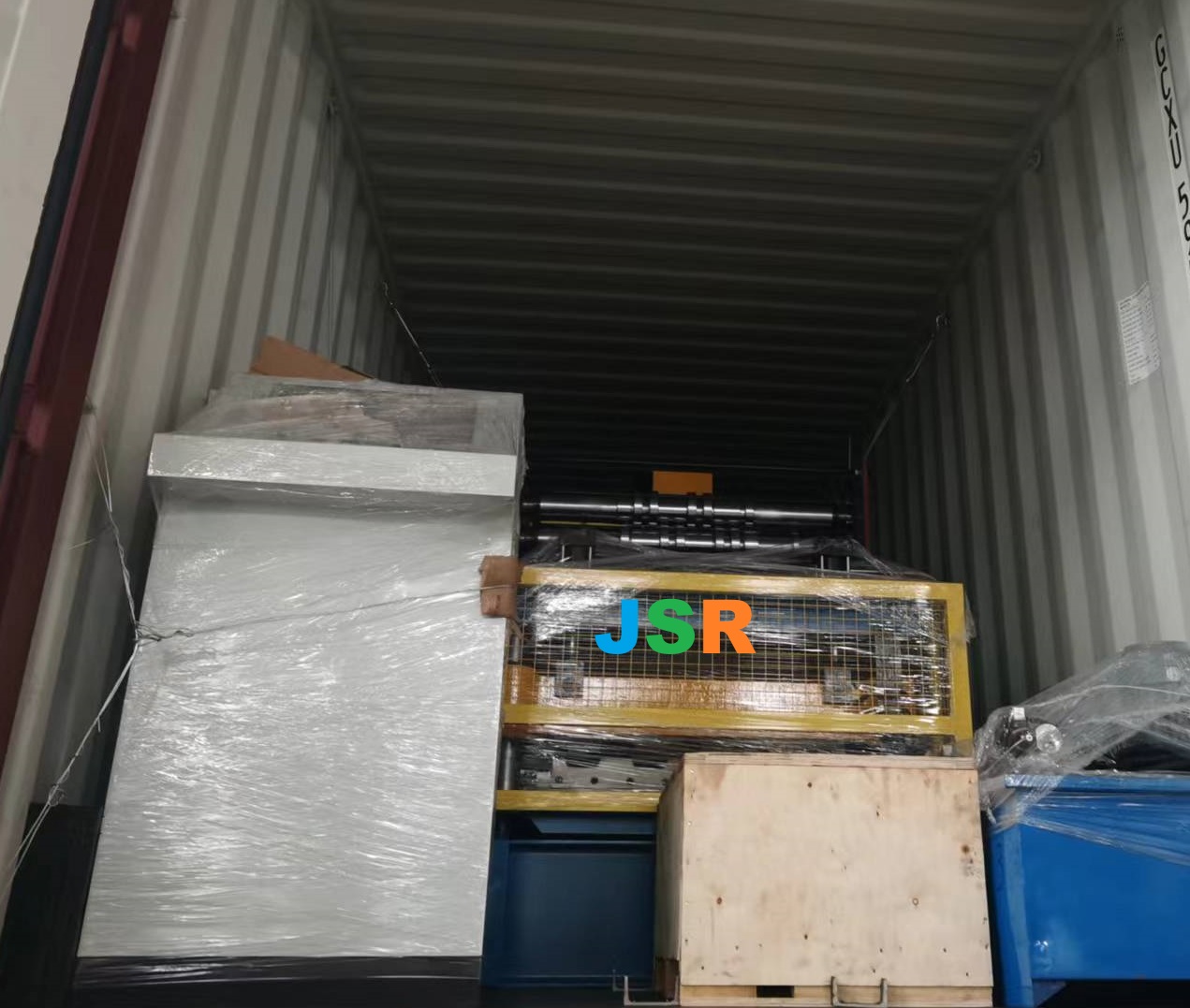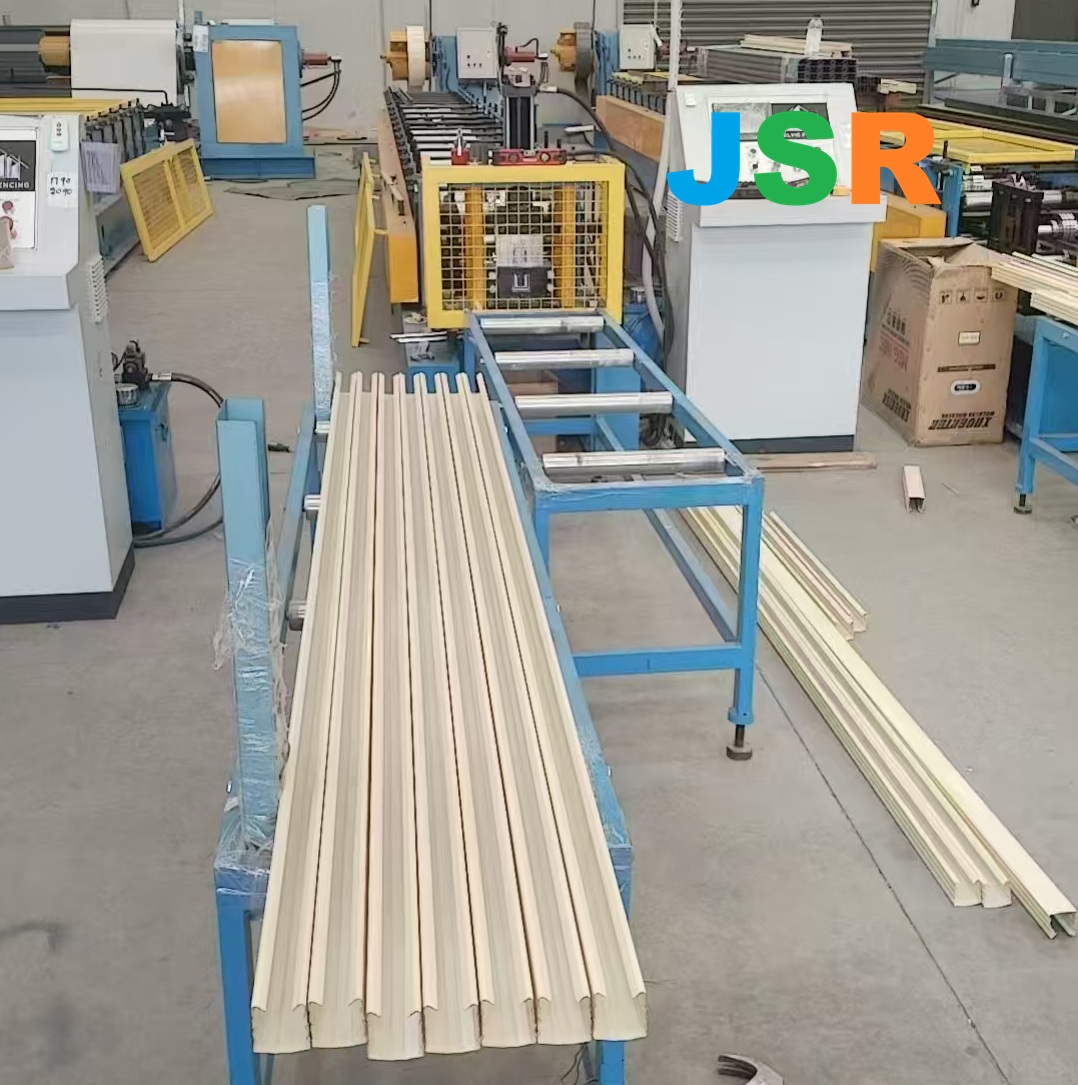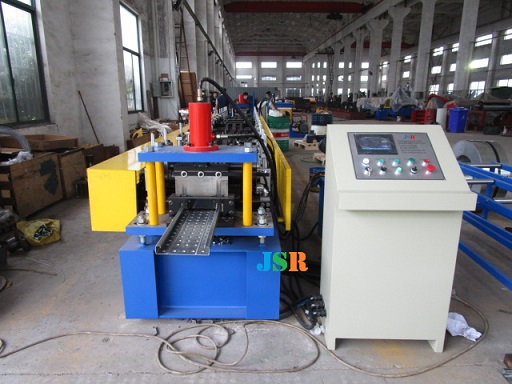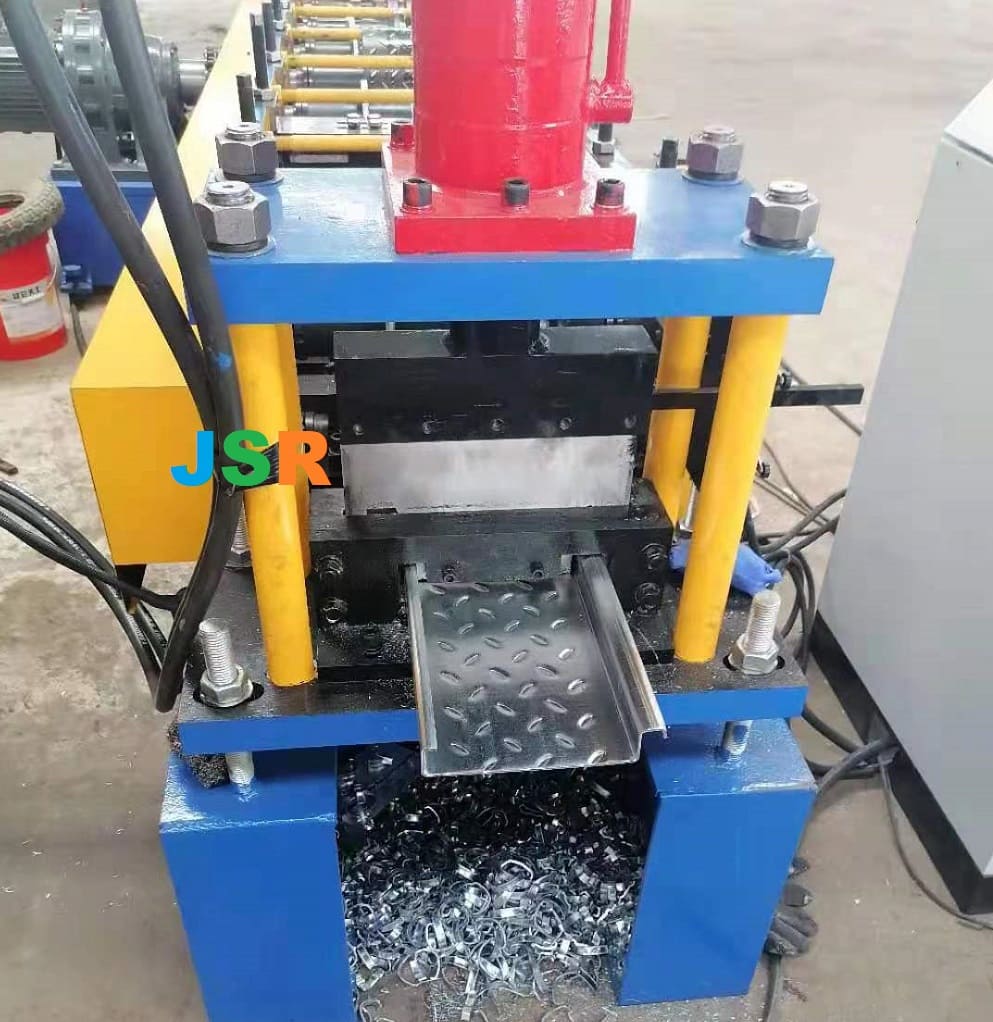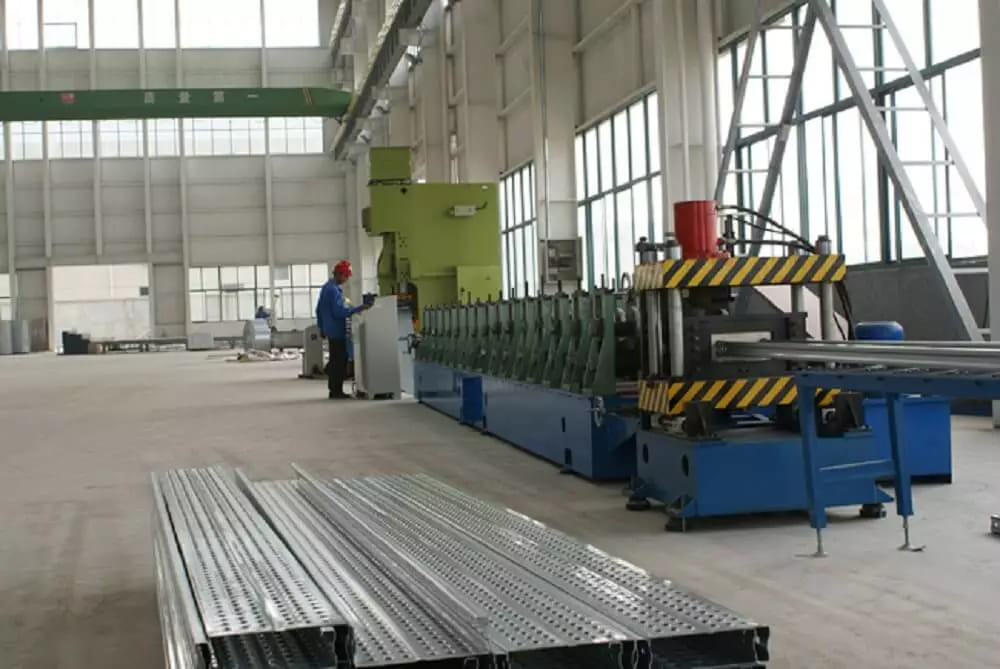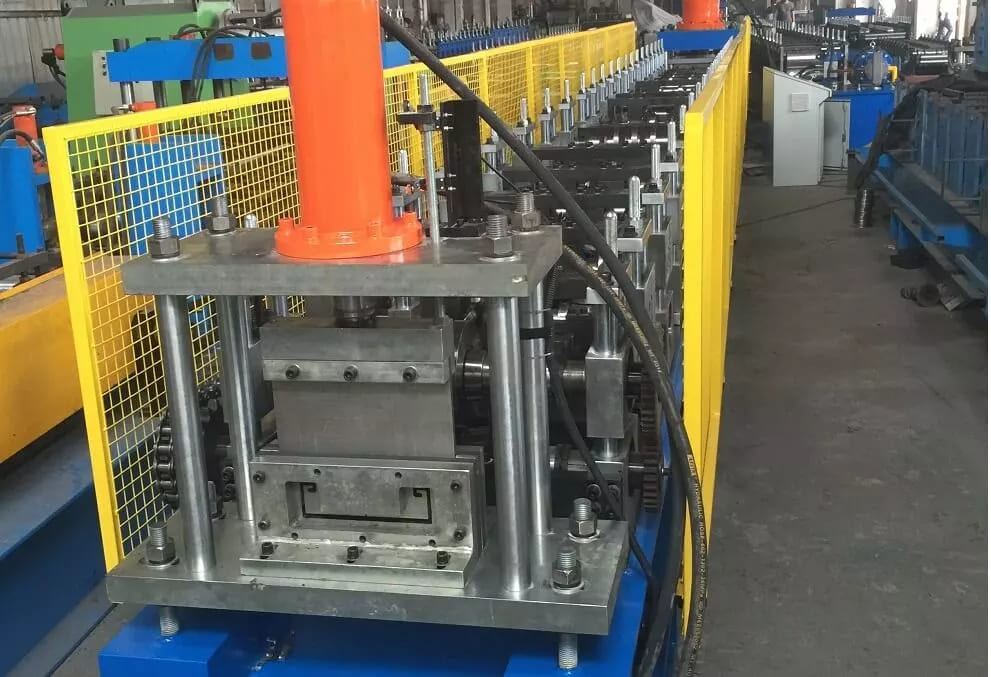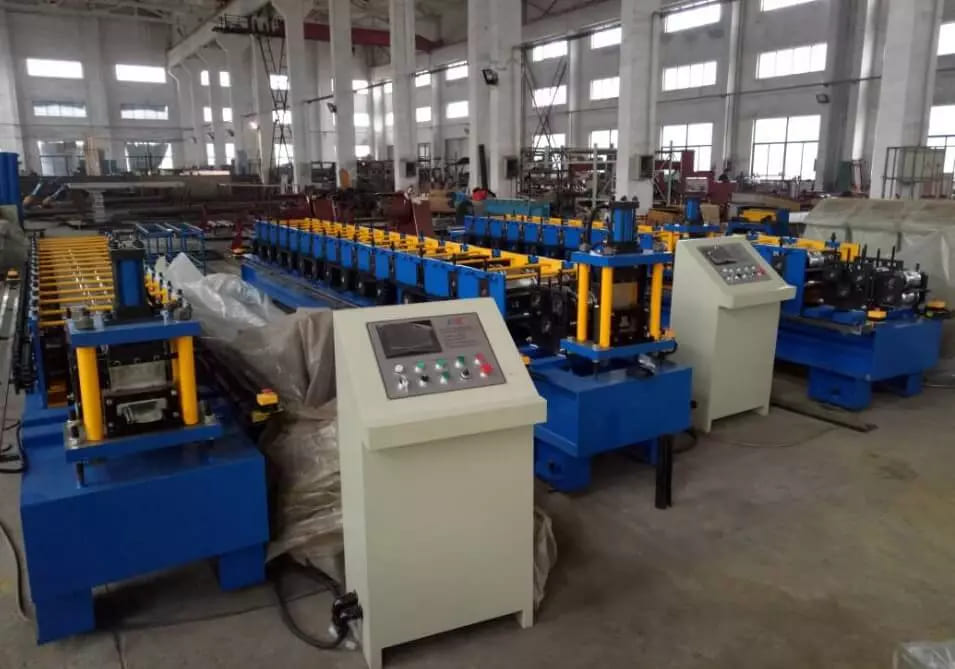

A 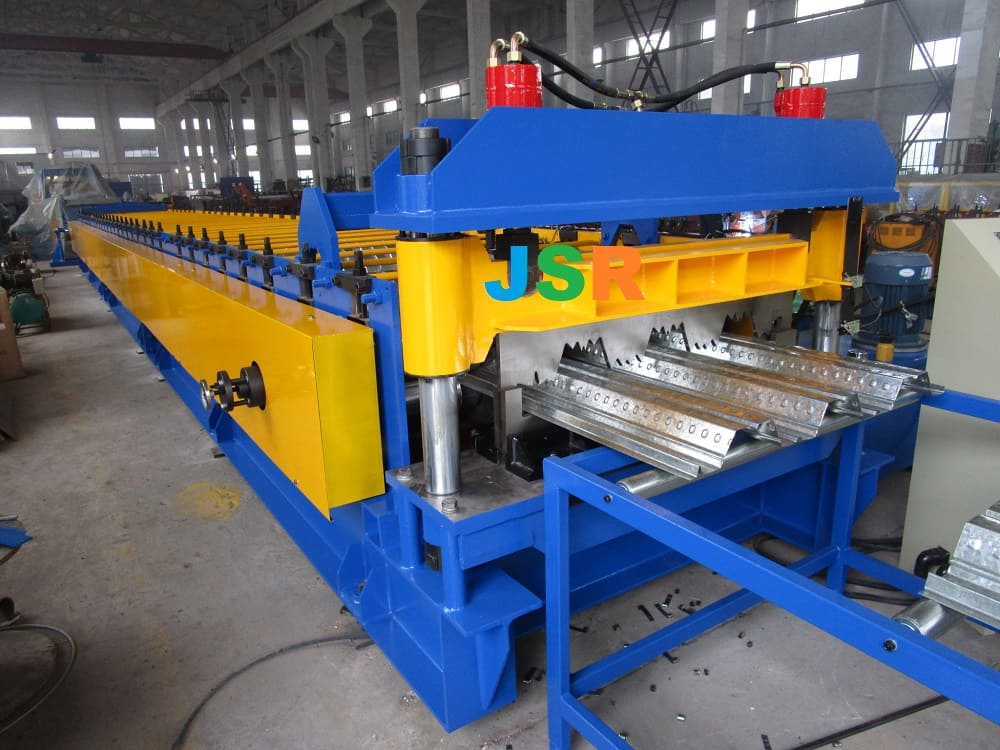 forming machine is a specialized roll forming line used to produce metal deck profiles for composite floor systems in steel buildings. These profiles are widely used in commercial buildings, industrial facilities, multi-story structures, and large-span steel construction projects.
In modern construction, speed, structural efficiency, and cost control are more important than ever. Floor decking has become a standard solution because it helps reduce construction time, improve slab performance, and simplify on-site work. As a result, floor deck production is no longer a niche segment. It is a core part of many steel construction supply chains.
For manufacturers, a floor deck forming machine is more than a roll forming product line. It is a machine that serves structural construction demand, engineered building systems, and project-based industrial applications.
Floor decking is a profiled steel sheet used as a structural base for concrete floor slabs in steel buildings. It acts as permanent formwork during construction and may also contribute to the strength of the composite floor system after the concrete is poured.
In practical terms, floor deck profiles help:
Because of these advantages, floor decking is widely used in steel frame construction projects around the world.
A floor deck forming machine is an automated production line that converts steel coil into floor deck profiles through continuous roll forming.
The machine typically includes:
Depending on the deck design, the line may also require strong forming capacity, precise length control, and a stable structure suitable for heavy and wide profiles.
Compared with lighter product lines such as roofing sheets or wall panels, floor deck machines often need stronger engineering because the final product is used in structural applications.
Floor deck profiles are not simple sheet products. They are deeper, stronger, and more structurally demanding than many standard roll formed products.
A dedicated floor deck forming machine is needed because production must handle:
These requirements mean the machine must be designed for stability, forming strength, and reliable output over long production runs.
Although the full line may look complex, the production process follows a clear sequence.
The steel coil is loaded onto the decoiler. The coil width and thickness depend on the required floor deck profile.
The strip is guided into the line and stabilized before entering the forming section. Good feeding stability is important because floor deck profiles are usually wide and deep.
This is the core stage. The strip passes through a series of roller stations that gradually shape it into the final deck profile. The forming must remain stable to avoid profile distortion, twisting, or irregular rib geometry.
Once the profile reaches the target length, it is cut using the cutting system. Accurate cutting is important for installation efficiency on site.
The finished deck sheets move to the output section for collection, transport, and project delivery.
Because floor deck products are often used in project environments, consistency in length and shape is critical.
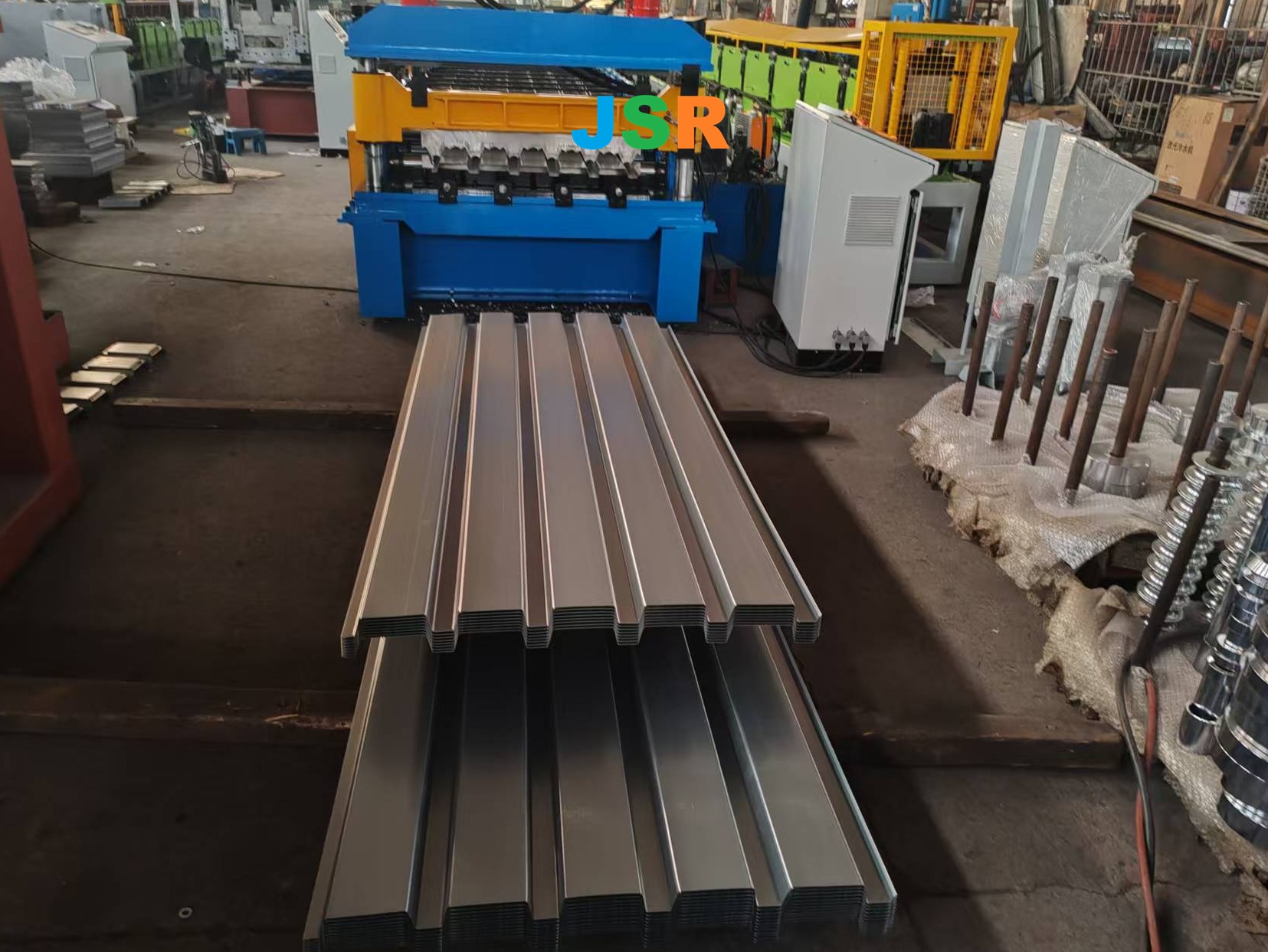
A standard floor deck line may include the following sections:
Depending on the project requirements, the line may also include stronger drive systems, reinforced machine frames, and customized roller design.
A floor deck forming machine is used to produce metal deck profiles designed for composite slab systems and steel floor structures.
Typical output categories may include:
Different regions use different profile designs, rib heights, widths, and structural standards. That is why machine customization is often important.
Floor decking is widely used in projects that require fast structural construction and efficient slab systems.
Common applications include:
This makes floor deck production closely linked to large and medium-scale construction activity.
The popularity of floor decking comes from practical construction advantages.
Decking reduces the need for temporary formwork and helps speed slab installation.
Installation is simpler and more repetitive than traditional slab support systems.
In many systems, the deck is not only formwork. It also becomes part of the structural floor solution.
Floor deck systems work well for large steel construction projects where time and labor control matter.
When produced correctly, roll formed deck panels provide predictable dimensions for easier site work.
For manufacturers, a floor deck forming machine offers several attractive business benefits.
The product serves real construction demand rather than purely decorative applications.
Floor decking is linked to structural systems, not only sheet metal coverage.
Orders can be connected to commercial, industrial, and infrastructure projects.
The machine supports longer product lengths often required in construction.
Manufacturers can supply contractors, steel structure companies, and building material distributors.
This machine can be a strong fit for:
It is especially relevant for businesses that want to move beyond basic sheet products into higher-value structural applications.
Before buying a floor deck forming machine, most customers want to understand:
These are the right questions because floor deck production is driven by both engineering and market demand.
It is used to produce steel deck profiles that support concrete slabs in steel construction systems.
No. Floor deck products are usually deeper, stronger, and used for structural floor systems rather than roof covering.
Because it helps speed up construction, reduce labor, and support composite slab systems efficiently.
Yes. Floor decking is widely used in industrial, commercial, and multi-story steel construction projects.
Machine rigidity, profile accuracy, stable forming, and consistent cutting are all very important.
It depends on machine design, but many buyers choose one machine for one main deck profile to maintain production stability.
It can be, but the buyer should clearly understand the target market and product requirements first.
In many cases, yes. Demand is often linked to construction projects and structural supply chains.
You should prepare the profile drawing, thickness range, material type, product length requirements, and expected production volume.
Because floor deck profiles are structurally deeper and require stronger forming support.
For floor deck production, machine stability matters more than surface-level appearance. Buyers need equipment that can handle wide and structural profiles with consistent quality.
JSR Roll Former focuses on practical production capability, including:
For structural profile production, that approach is important.
A floor deck forming machine is a key piece of equipment for manufacturers serving modern steel construction. It produces a structural product that supports faster construction, efficient slab systems, and wide application across industrial and commercial buildings.
For companies looking to enter a stronger and more project-linked product segment, floor deck production offers clear industrial relevance and long-term opportunity.