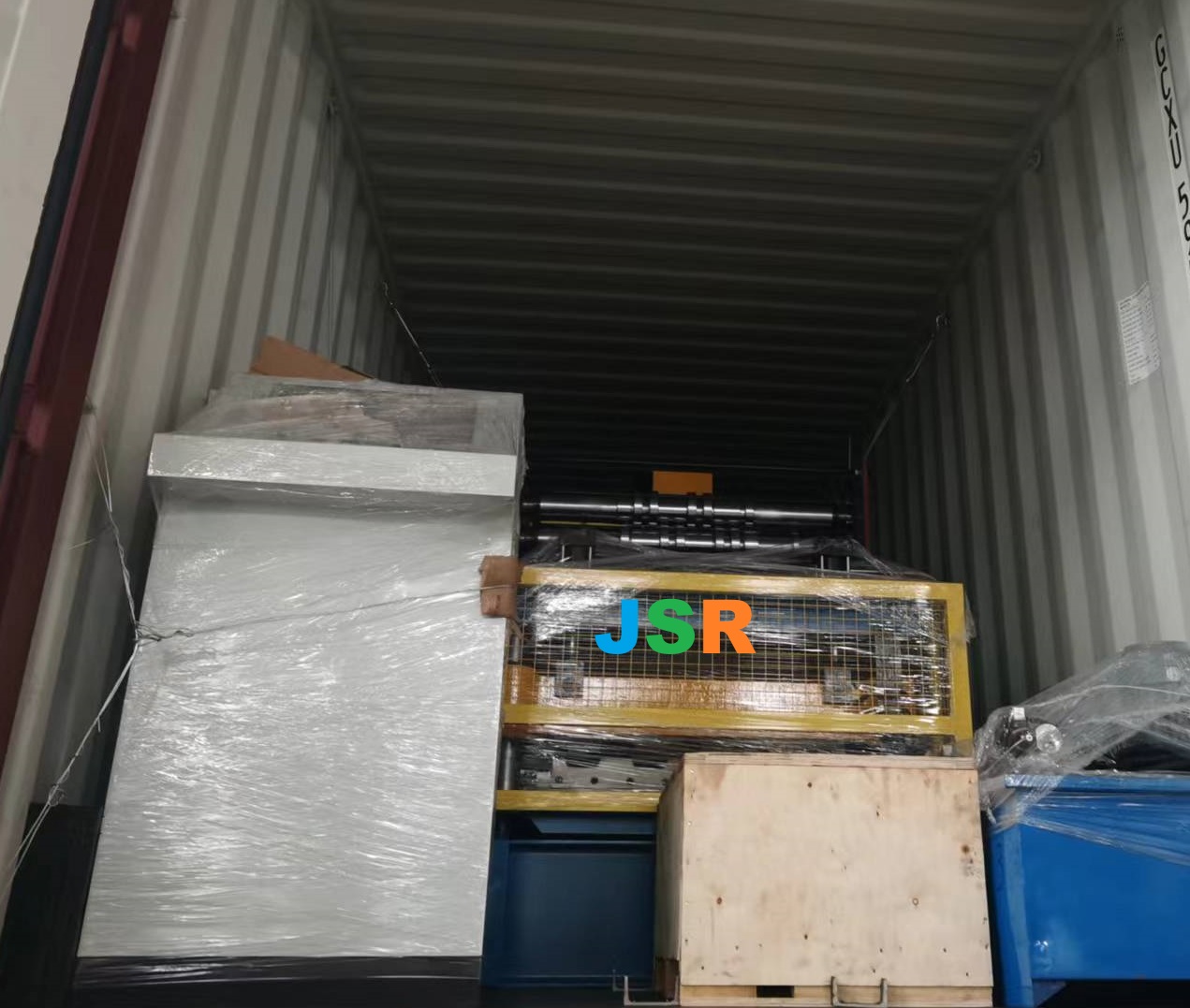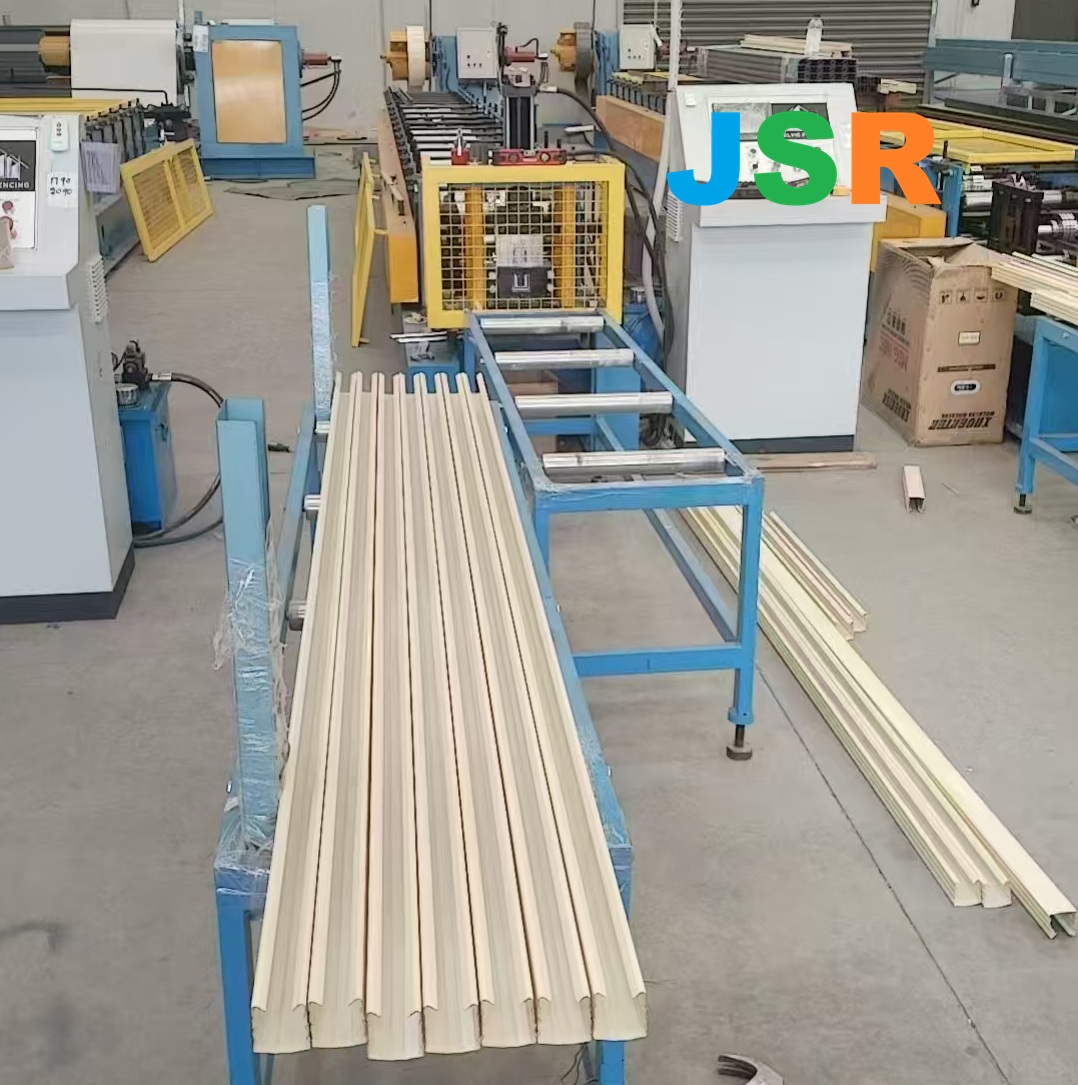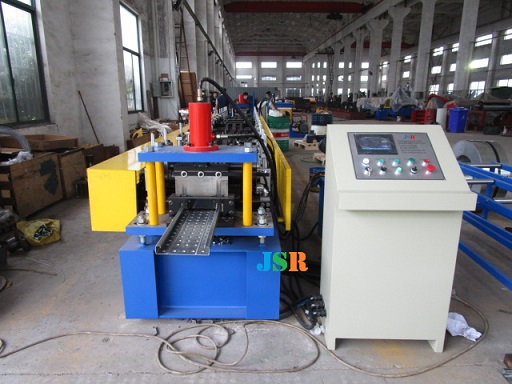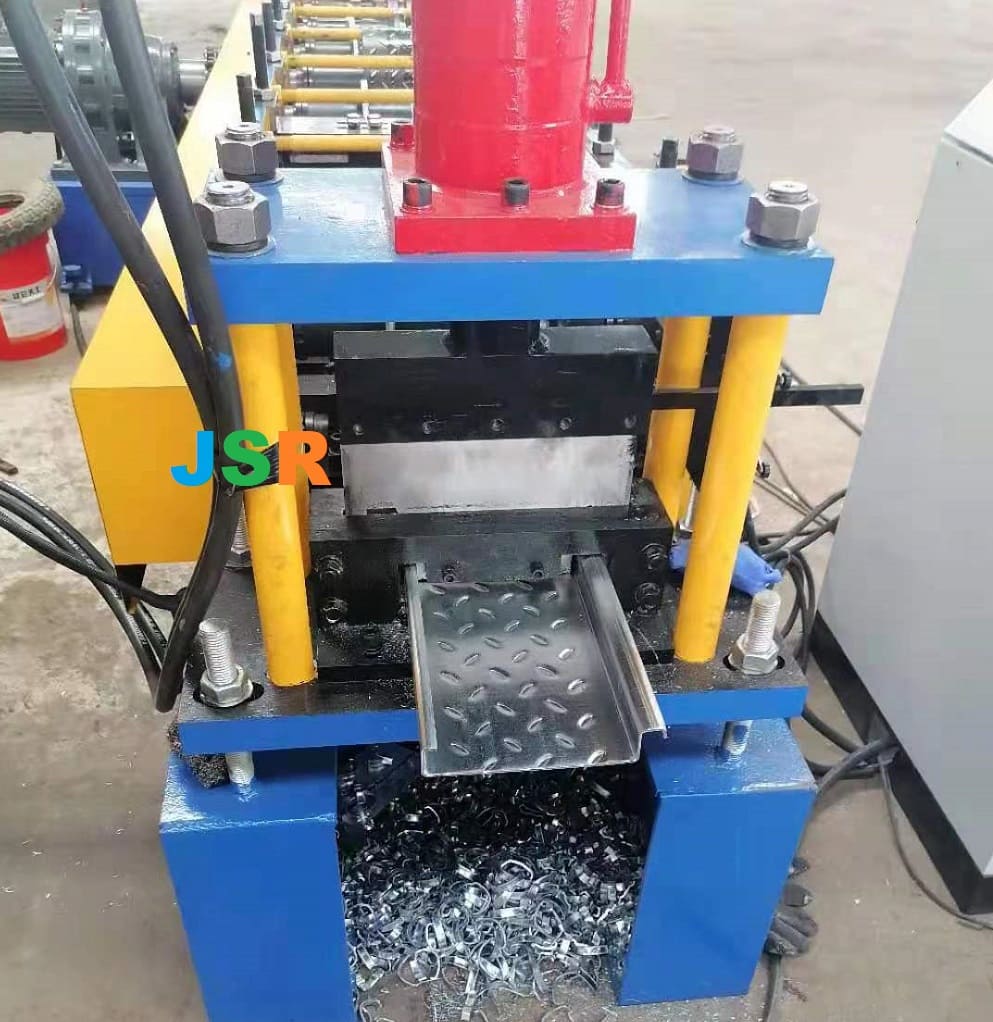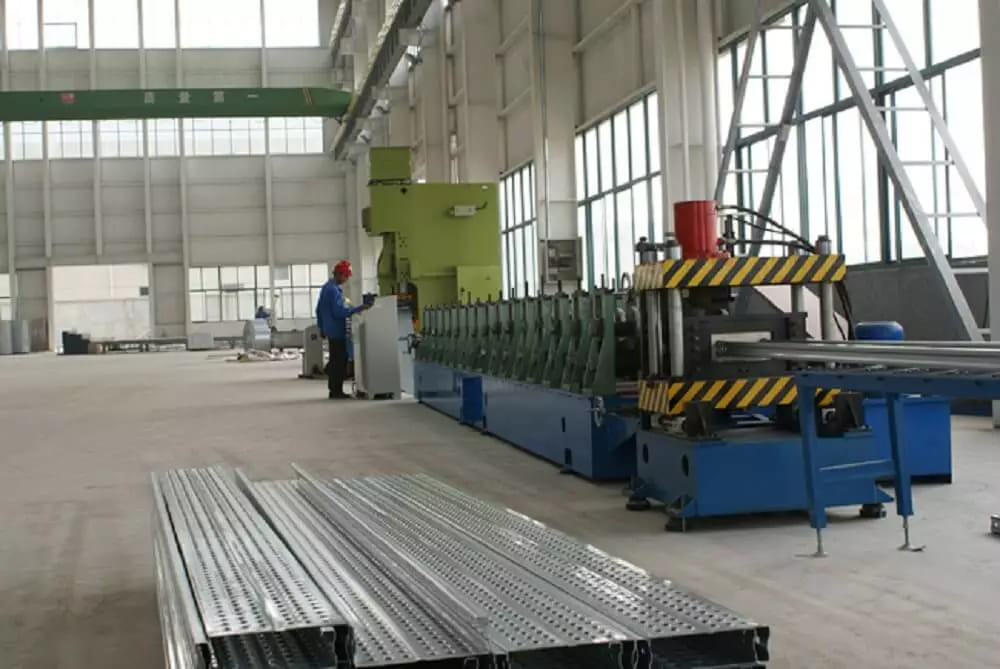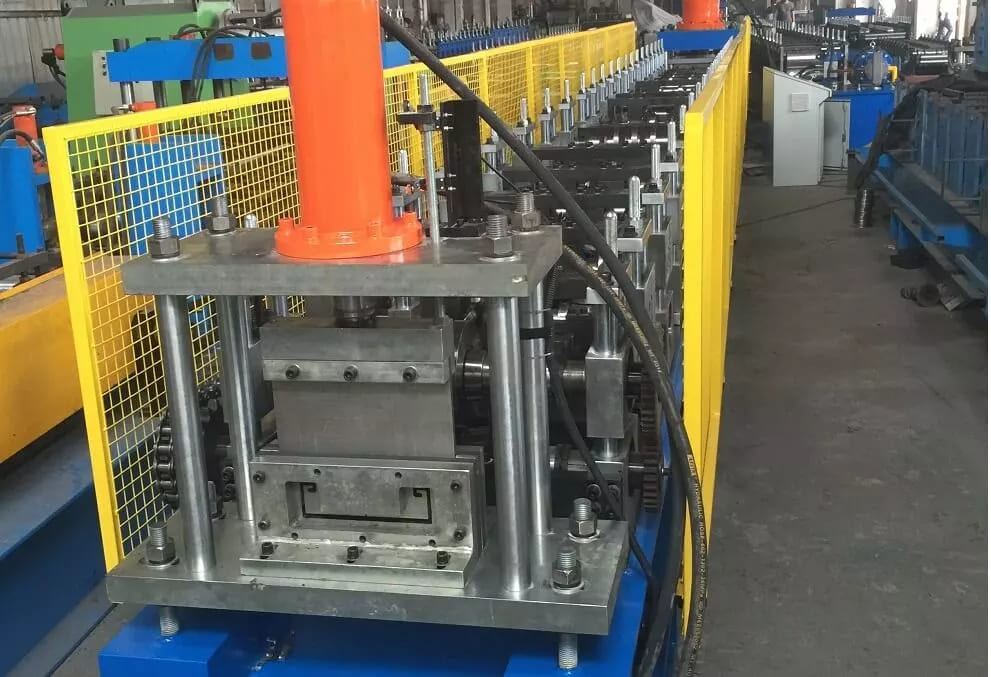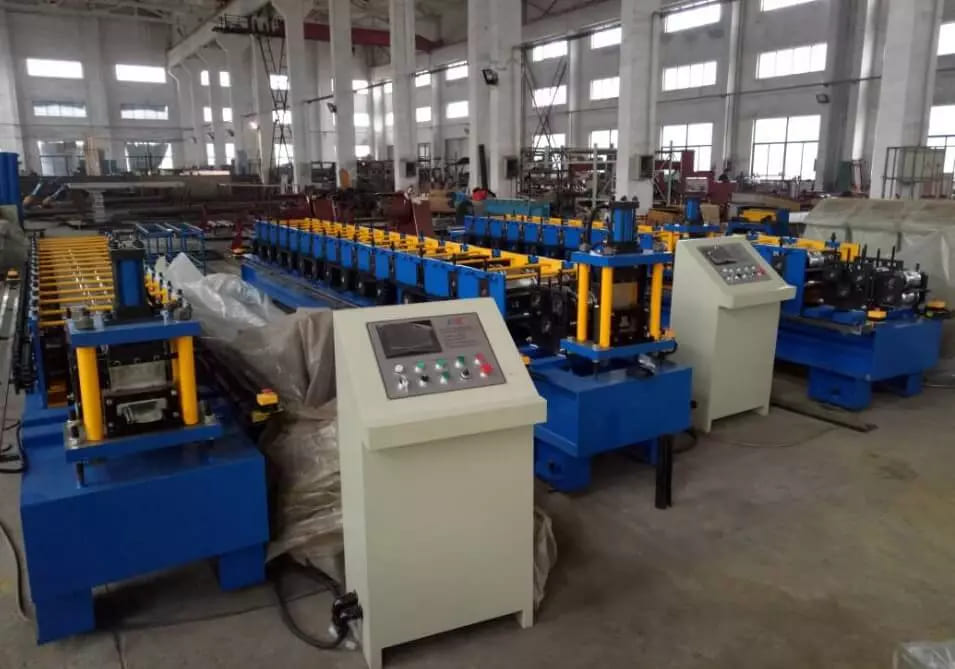

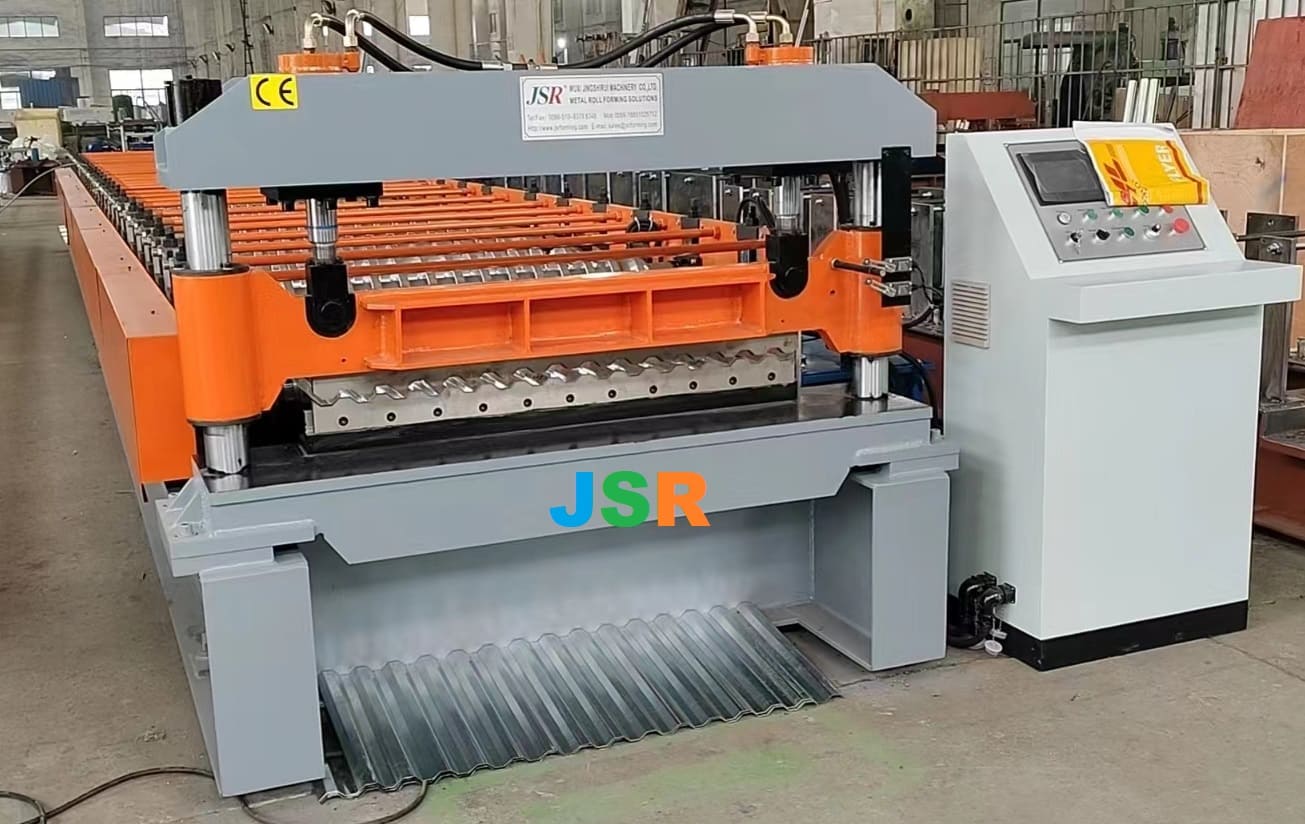
A floor deck forming machine is usually positioned above simple roofing or light-gauge profile lines in terms of engineering requirements. That is why buyers often find a wide range of quotations when they begin asking for prices.
The cost of a floor deck forming machine depends on more than the machine name. It is strongly influenced by profile depth, material thickness, structural requirements, automation level, and production expectations.
For serious buyers, the key is not simply to ask, “What is the price?”
The better question is, “What kind of floor deck line matches the profile and market I want to serve?”
This guide explains the cost logic behind floor deck machinery and helps buyers evaluate offers more realistically.
Floor deck profiles are deeper and more structurally demanding than many standard roll formed products. That affects the machine in several ways.
A floor deck line often needs:
Because the product itself is structurally important, the machine must be built to support reliable output quality.
Buyers may see significantly different quotations for what is described as a “floor deck forming machine.” This happens because the term covers a wide range of machine levels.
Some lines are built for:
Other lines are designed for:
The actual machine specification makes the real difference.
Profile design is one of the most important cost factors.
A shallower or simpler profile is easier to form. A deeper structural deck profile may require:
The more demanding the profile, the higher the machine cost tends to be.
The thickness range directly affects machine design.
As thickness increases, the machine usually needs:
This increases the cost, especially for buyers targeting structural construction applications rather than lighter deck products.
Floor deck products often involve wider material and larger final profile dimensions than basic roofing sheets.
Wider production may influence:
The wider and more structurally demanding the product, the more serious the machine design must be.
Higher production speed usually increases the quotation because it may require:
However, buyers should not assume the fastest line is automatically the best choice. For structural deck production, stable output quality often matters more than peak speed alone.
The cutting section is important in floor deck production because profile consistency and length accuracy affect installation on site.
The cutting system design may vary depending on:
A better cutting system may raise the machine price, but it can also improve usable output and reduce site complaints later.
A more automated line may include features such as:
Higher automation usually means higher initial cost, but it can reduce labor dependence and improve repeatability.
This is one of the most overlooked cost factors.
Two machines may have similar quoted functions, but major differences can exist in:
For floor deck production, build quality matters because the machine works on structural products and often large project volumes.
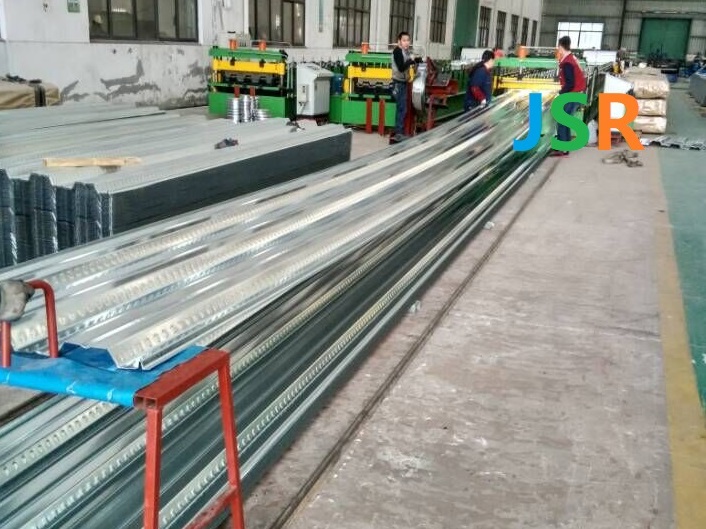
Many regions use specific floor deck designs. If the buyer requires a profile tailored to:
then engineering customization becomes part of the quotation.
That may raise the price, but it makes the machine more useful for the actual market.
The machine price is only one part of the total investment.
Buyers should also calculate:
Ignoring these costs can lead to unrealistic budgeting.
Often, no.
With floor deck products, poor machine performance can lead to:
Because the final product is used in structural construction, poor consistency can damage both reputation and profitability.
A low price can become expensive later if the machine is not suitable for the profile.
Instead of comparing only the final number, buyers should compare:
This leads to a much better buying decision than price-only comparison.
A more advanced line is often justified if you plan to:
A more focused or simpler line may work if you:
The important part is to match the machine to the actual business path.
Because machine cost depends on profile design, thickness range, machine strength, speed, automation, and customization.
Usually the biggest factors are profile depth, material thickness, machine structure, and overall production requirements.
In many cases yes, because the product is more structural and the machine usually needs stronger engineering.
For this product, rigidity and stable forming are usually more important than chasing maximum speed.
That depends on your production volume, labor situation, and long-term goals. Higher automation can improve efficiency, but only if it matches your business scale.
A profile drawing, material thickness range, coil width, product length requirements, and target production volume are all very important.
It is possible in some cases, but many buyers prefer one dedicated profile line for better stability.
The lower offer may reflect lighter machine structure, less robust components, lower automation, or reduced production capability.
Yes. Proper installation, forming adjustment, and maintenance support matter a lot for structural profile production.
Choosing based on low headline price without checking whether the machine can produce the required deck profile reliably.
For floor deck production, real value comes from whether the machine can keep producing usable structural profiles consistently.
JSR Roll Former approaches this category with attention to:
For this kind of product, that matters more than a superficial quotation comparison.
The cost of a floor deck forming machine depends on the actual structural product you want to produce, not only on the machine category name.
For buyers serving modern steel construction, the right investment decision comes from matching machine capability with profile requirements, production logic, and market demand.
The best machine is not simply the cheapest or the fastest. It is the one that can produce the deck profile your market needs with stable, reliable, and commercially useful quality.