
When buyers evaluate a downpipe roll forming machine, one of the most practical questions is this:
Should I produce rectangular downpipes or round downpipes?
This is not just a profile decision. It affects:
A downspout roll forming machine must match the real market profile, not just the profile that appears more attractive in theory.
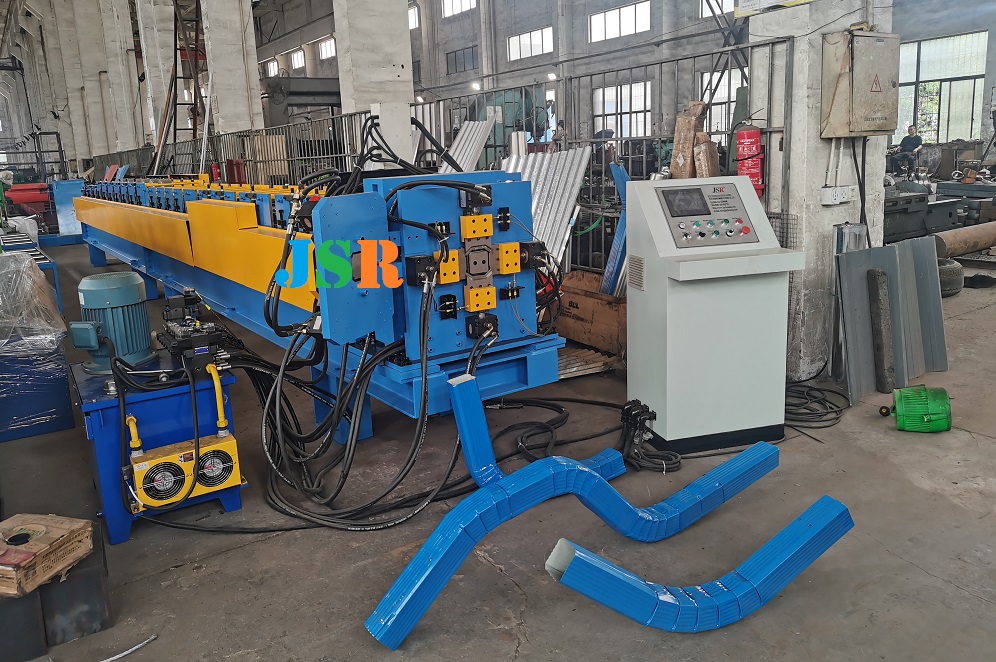
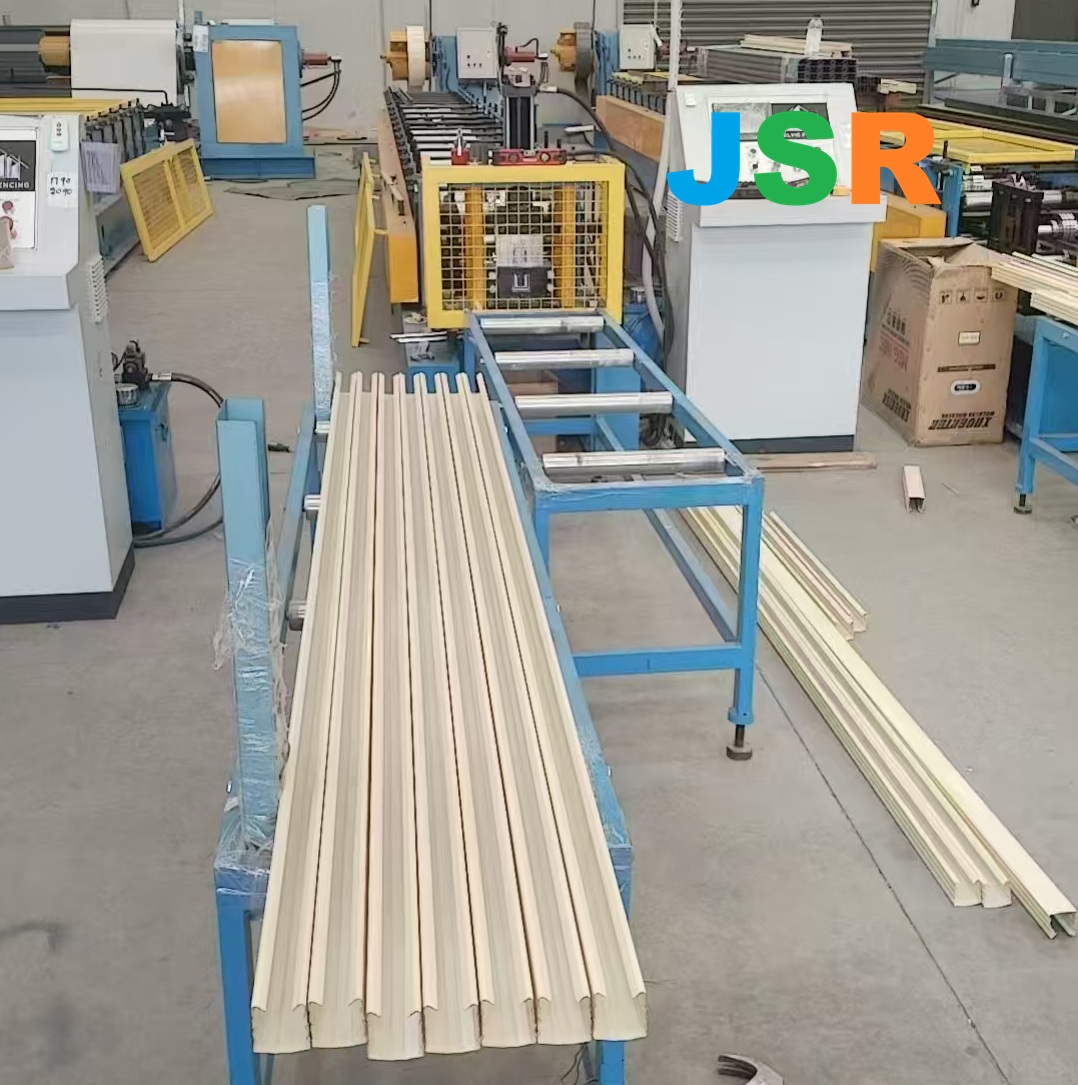
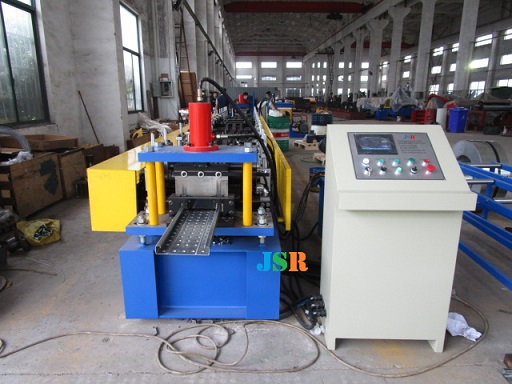
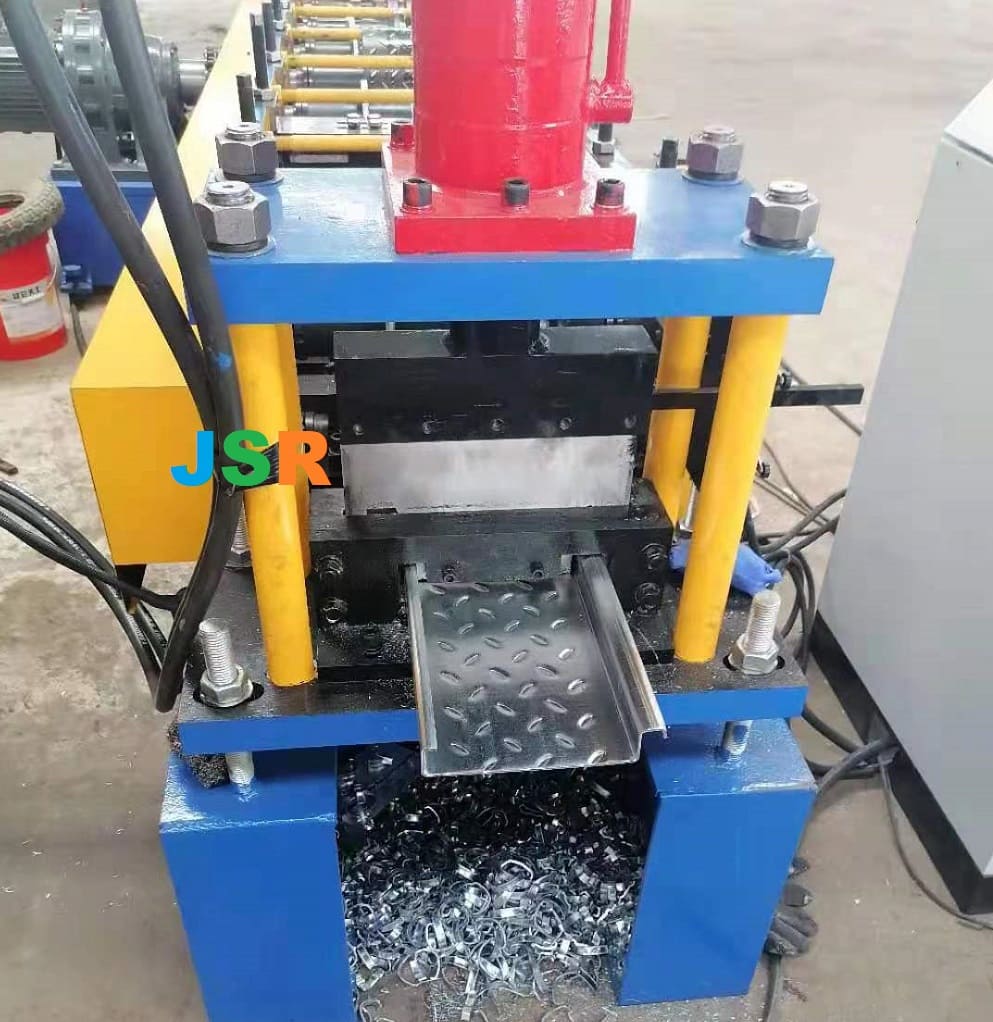
A rectangular downpipe is a roof drainage pipe with flat-sided geometry. In many markets, rectangular downspouts are widely used in residential and light commercial drainage systems.
JSR’s own case pages make this especially relevant because they show:
These examples show that rectangular-style downpipe roll forming machine demand is commercially real and market-specific.
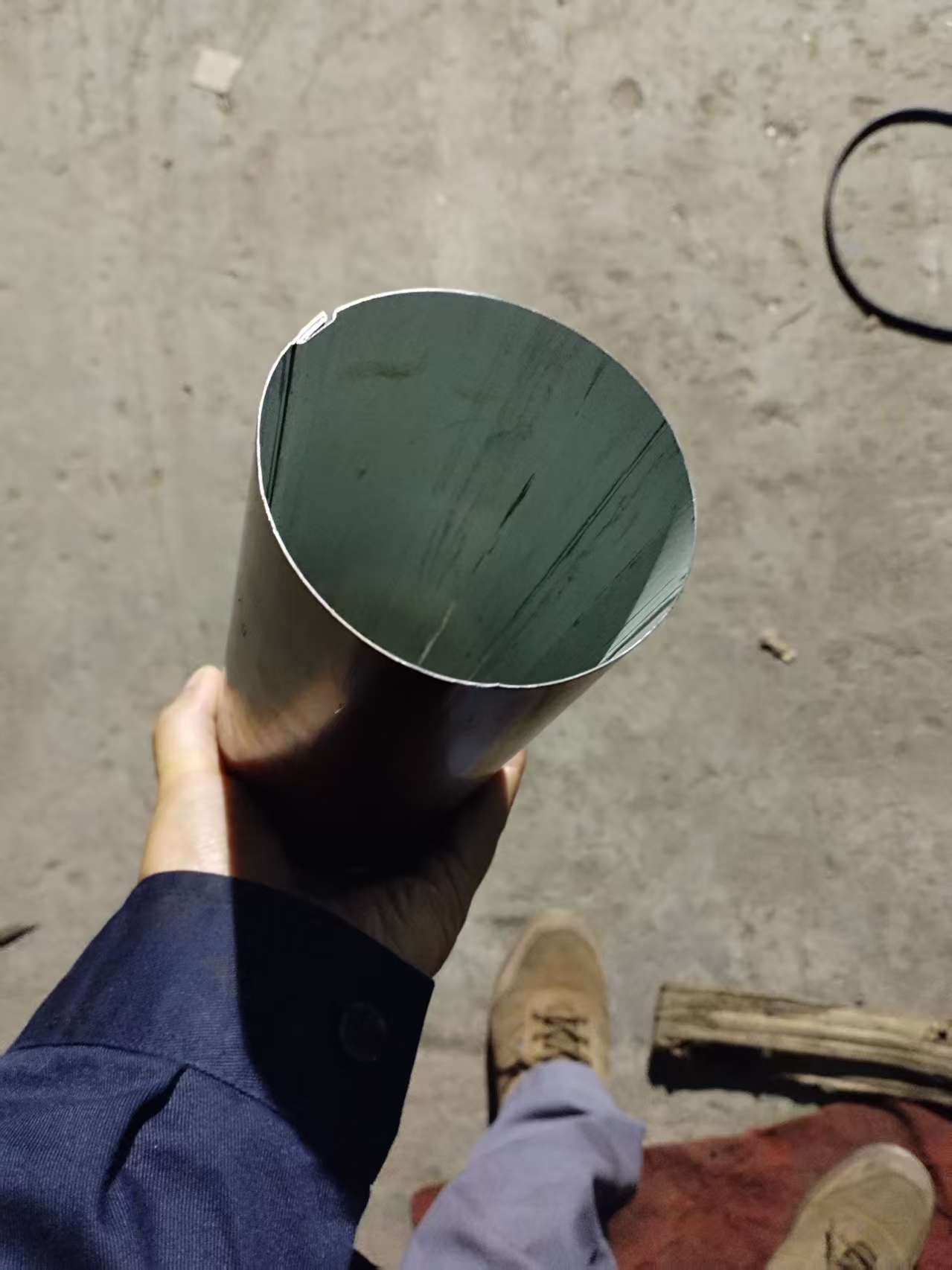
A round downpipe uses a circular cross-section and is often associated with more traditional drainage systems, certain architectural styles, or specific local installation preferences.
Buyers may search for:
Round profiles may be preferred in some building traditions, but the correct choice depends on local usage rather than general preference.
The difference between a rectangular downspout machine and a round downpipe machine is not only shape.
It also influences:
A rectangular downpipe making machine may be stronger in some contractor-driven markets, while a round rainwater downpipe machine may suit other roofing systems better.
You should lean toward a rectangular downspout machine if:
This is the most important factor.
JSR’s US and UAE-related pages suggest that rectangular profiles are commercially important in real export cases.
JSR’s elbow machine page specifically references 3×4 inch straight galvanized steel rectangular downspouts used together with elbow sections.
If distributors and contractors already use rectangular profiles, the selling path is clearer.
A round downpipe machine may be the better choice if:
Local building habits matter more than general assumptions.
Some markets prefer round downpipes for visual reasons.
A downpipe roll forming machine should always be considered together with the gutter system that feeds it.
In some cases, round profiles may be a better niche product than rectangular ones.
That depends entirely on the market.
The key is this: a downpipe roll forming machine should follow the existing drainage ecosystem.
A downspout roll forming machine for export should always be based on destination-market profile reality.
JSR’s case pages are useful here because they show that different export markets need different downpipe sizes and shapes, not one universal standard.
That means the more important question is not “Which profile is better?” but “Which profile does the market already buy?”
Often stronger where the market already uses rectangular downspouts in volume and where elbow and accessory integration is clear.
Often stronger where architecture, local tradition, or gutter compatibility favors round drainage systems.
In practice, the more profitable choice is usually the one with lower market friction, not the one that seems more distinctive.
A profile that looks attractive may still be difficult to sell.
A downpipe roll forming machine should be planned together with the gutter product family.
They do not. JSR’s own export-oriented pages show market-specific variation.
If elbow production matters, that affects the full product system plan.
The product strategy should always come first.
A rectangular downpipe machine produces flat-sided downspouts, while a round downpipe machine produces circular rainwater pipes.
The better machine is the one that matches the profile standard used in the export market.
Yes. JSR’s own case pages show rectangular market examples such as 4×3 inch US systems and 100×220 mm UAE systems.
In some markets, yes. A round downpipe machine may suit more architectural applications.
No. The downpipe roll forming machine should be planned together with the gutter profile family.
Possibly. JSR’s elbow machine page shows that elbow production can be a separate process.
Usually the easier choice is the one already widely used in the target market.
Yes, but many manufacturers start with one strong profile and expand after the market is proven.
Market fit, not visual preference.
Assuming one downpipe shape is universally suitable.
Choosing between a rectangular downpipe machine and a round downpipe machine is not about which profile looks better. It is about which profile fits your market better.
If your target market already uses rectangular downspouts and elbows, a rectangular downspout machine may be the stronger commercial option. If your target market prefers round drainage systems, a round downpipe machine may make more sense.
The right downpipe roll forming machine is always the one that produces the downpipe profile your buyers already understand and already need.