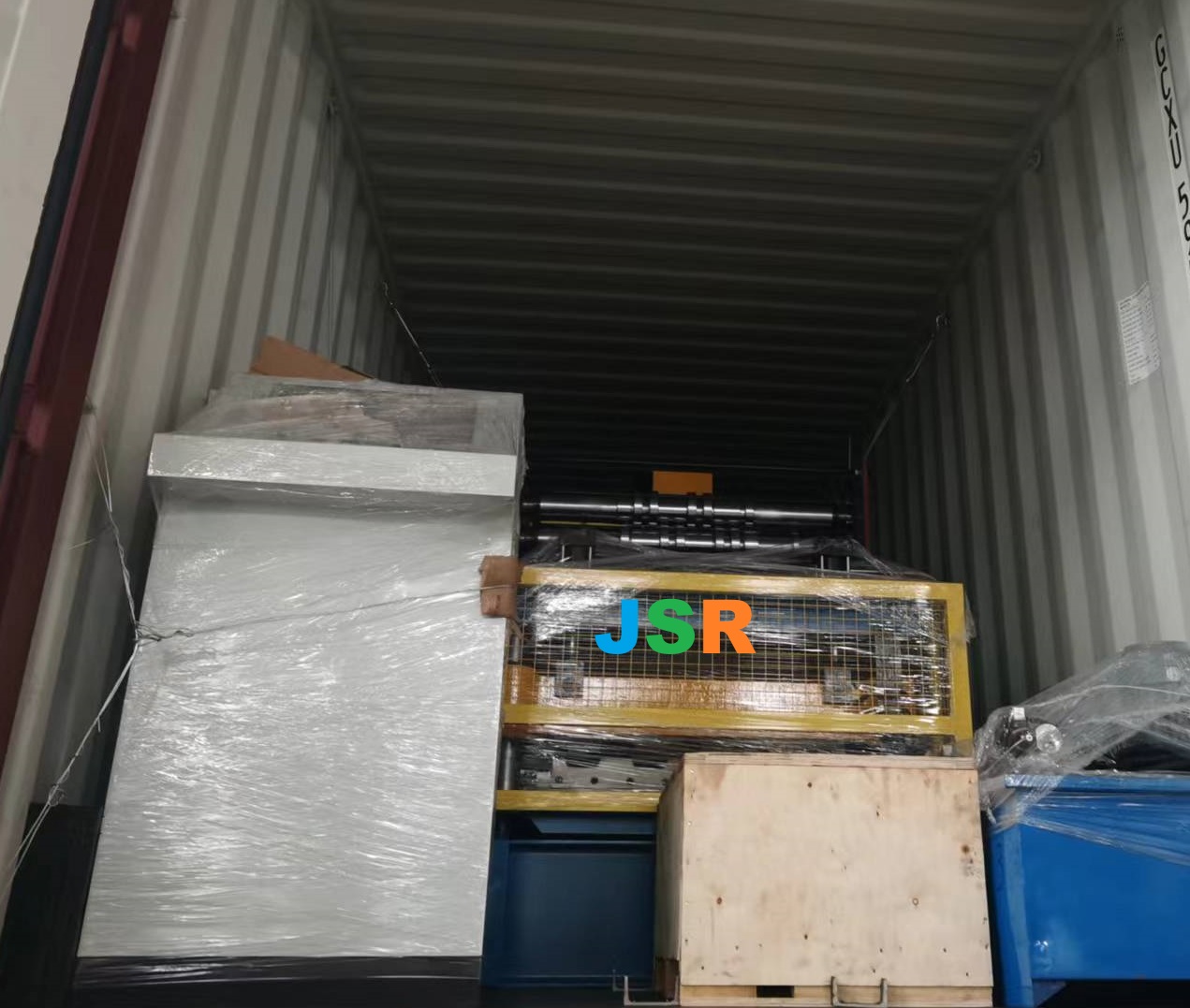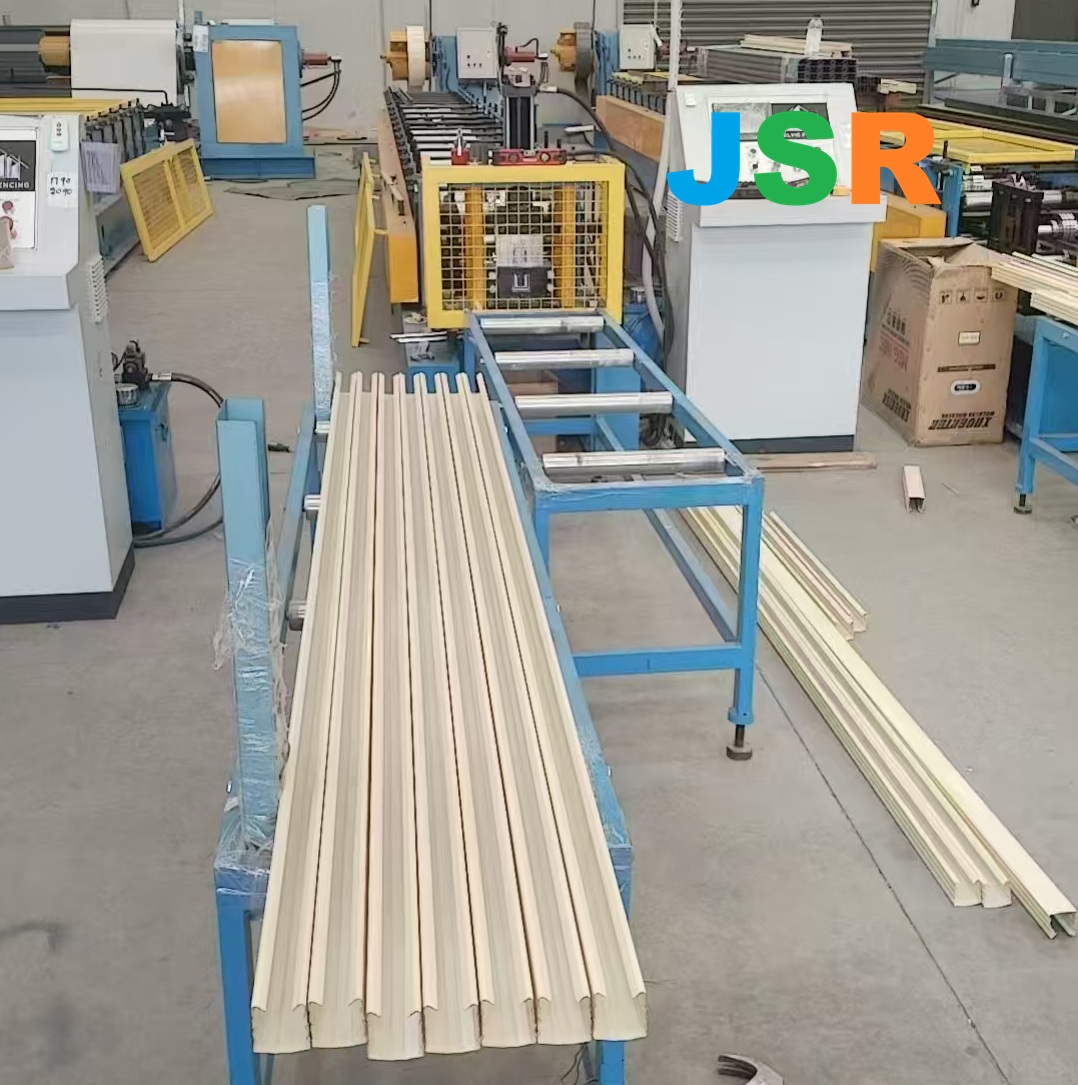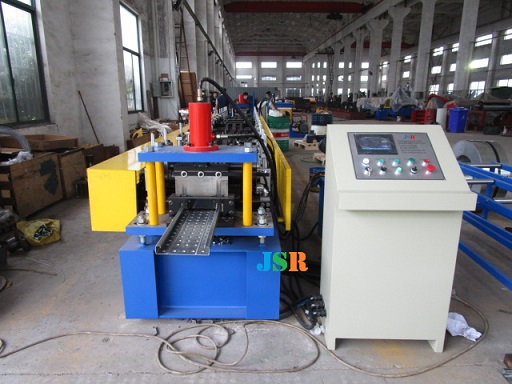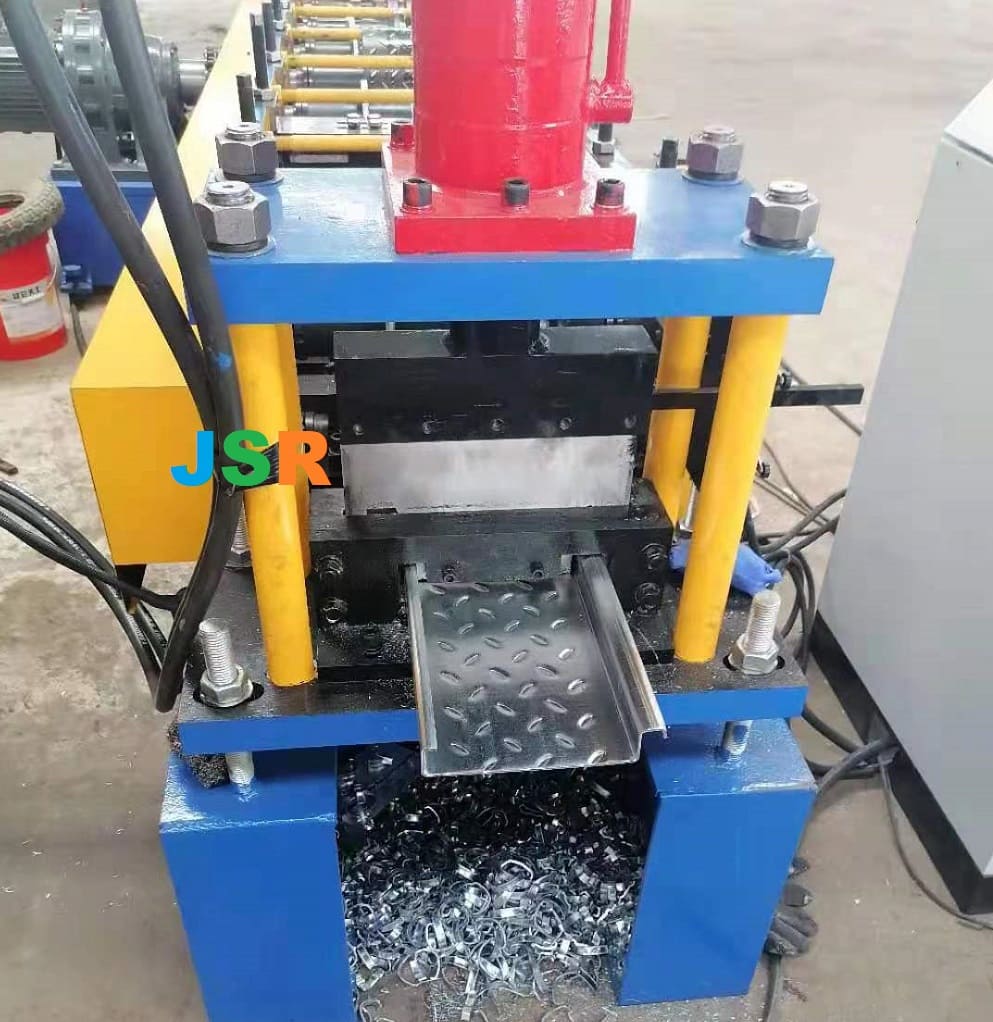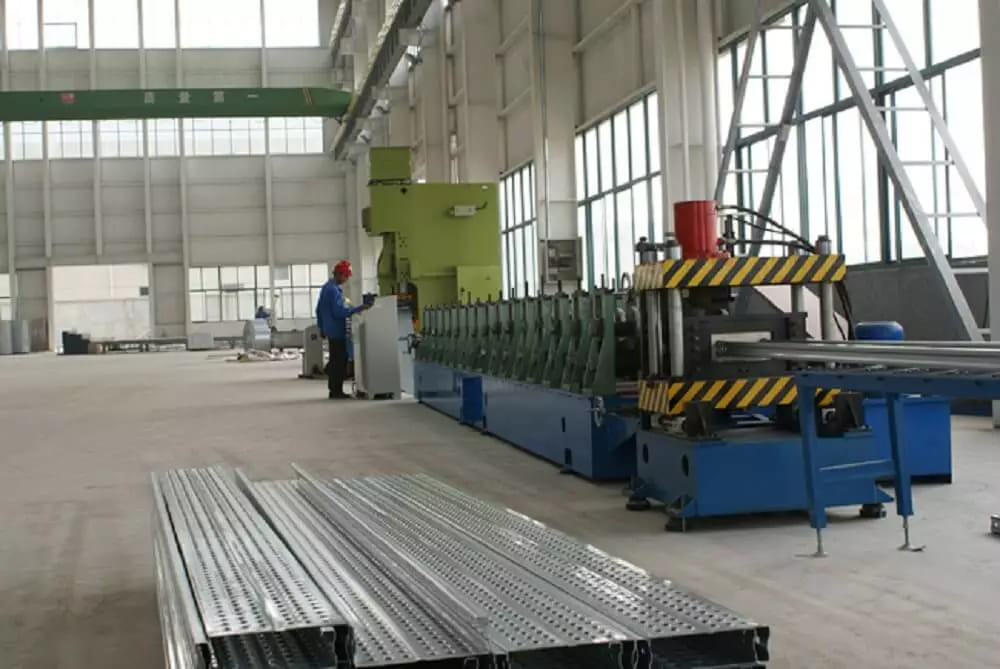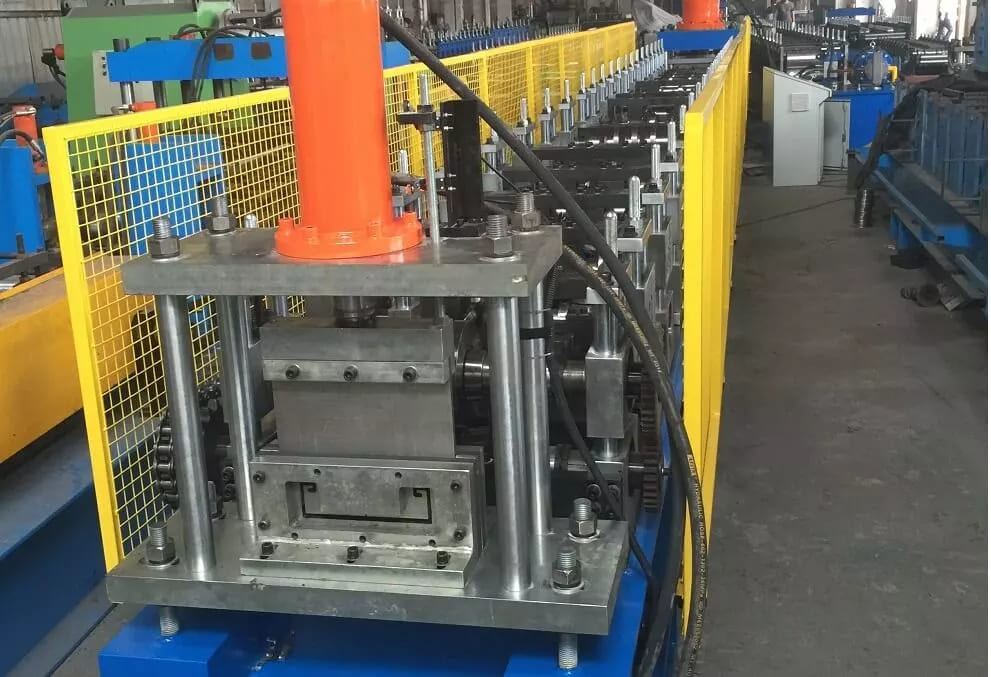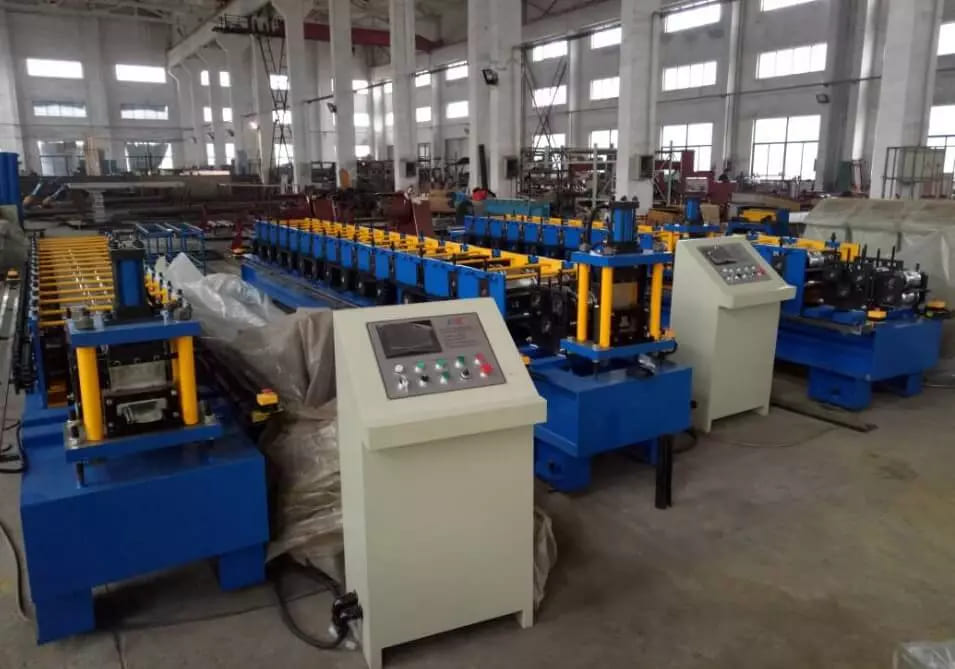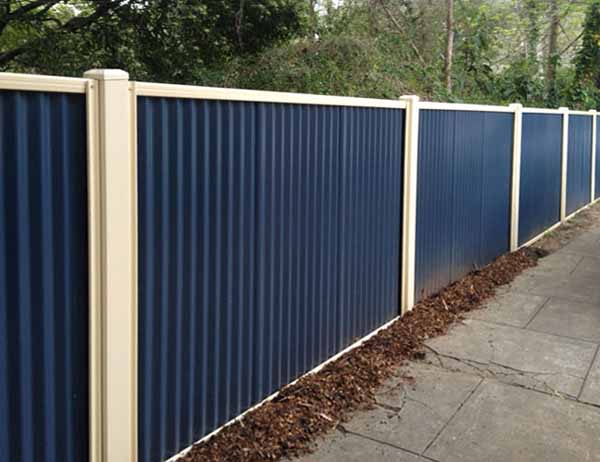

For manufacturers building a roof-drainage product business, downpipe production remains a practical and commercially relevant opportunity in 2026.
A downpipe roll forming machine produces one of the most necessary components in a rainwater drainage system. Whether buyers search for downspout roll forming machine, down pipe machine, downspout forming machine, or rainwater downpipe machine, the business logic is the same: producing the pipe that carries water from the gutter to the drainage system.
Because every gutter system needs a way to move water down, this category is tied to basic building function rather than short-term fashion.
A downpipe roll forming machine remains relevant because roof drainage is not optional in many building types.
Downpipe products are used to:
JSR’s product pages describe the output as “precise and well sealed roof drain pipe,” which reinforces the functional seriousness of the category.
This means downpipe production is linked to an ongoing building need, not a passing trend.
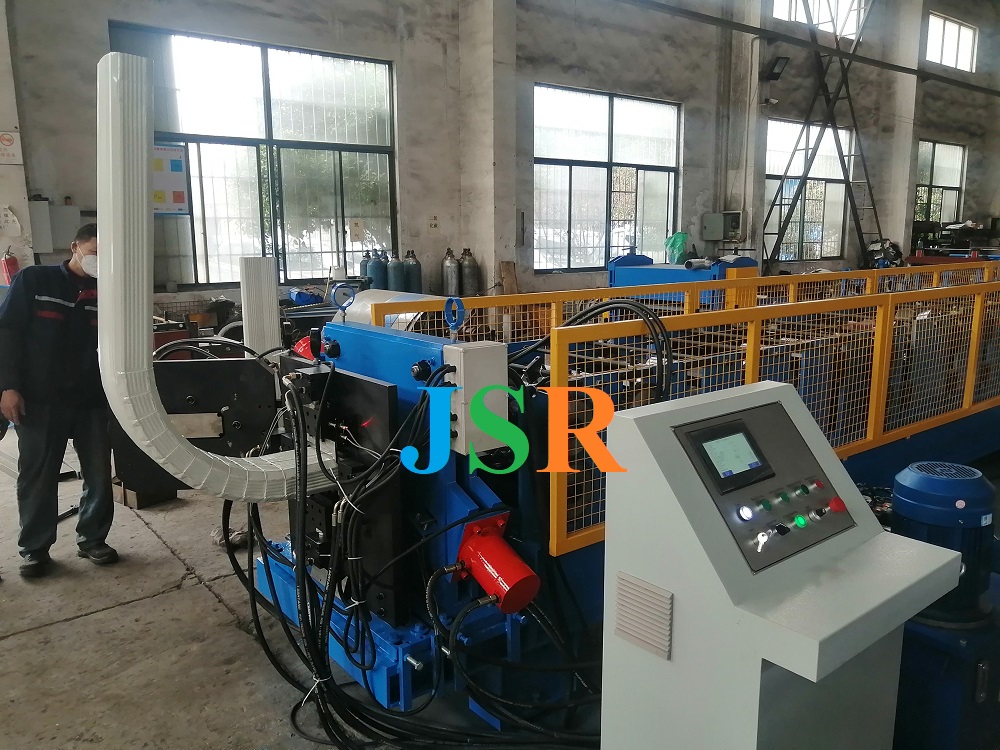
A downspout roll forming machine supports products used in:
This broad application range helps make a downpipe making machine commercially attractive.
A downpipe roll forming machine remains relevant because gutter systems cannot function properly without compatible downpipes.
Existing buildings regularly replace damaged or outdated drainage pipes.
Regional size and shape requirements create opportunities for dedicated downspout forming machine businesses.
A gutter and downpipe machine business can be stronger than selling one isolated product.
JSR’s product family grouping around gutter, fascia, and downpipe clearly supports this system-sales logic.
It can be both.
Some downpipe roll forming machine businesses compete through volume and standard profiles.
Others compete through:
This means a rainwater downpipe machine business still leaves room to compete through product fit and quality, not only low price.
A downspout roll forming machine serves a basic building requirement.
Customers understand what downpipes are and why they are needed.
A downpipe making machine business can expand into gutter, fascia, and elbow machinery.
JSR’s own case pages show US, UAE, and Oman-related examples, which suggests strong regional differentiation in this category.
The product serves both new-build and replacement markets.
A downpipe roll forming machine is especially suitable for:
For many manufacturers, this machine is most powerful when it is part of a broader drainage strategy rather than a standalone machine.
A downspout roll forming machine only works commercially if it matches the local drainage profile standard.
Poor output from a downpipe making machine can create installation and appearance issues.
A downpipe roll forming machine often works best when paired with gutter and elbow products.
Not every market uses the same size or shape, as JSR’s own export-related cases show.
The most common mistake is buying the machine before settling the exact market profile.
Yes. One of the strongest business advantages of a downpipe roll forming machine is how naturally it connects to:
JSR’s own site structure makes this especially clear, because it groups downpipe, gutter, and fascia together rather than treating them as unrelated machines.
That is why many buyers see a downpipe roll forming machine as a gateway to a broader roof-water-management product family.
Yes, in many markets downpipe production remains commercially useful because it serves a basic drainage function in both new construction and replacement work.
No. A downpipe roll forming machine can support residential, commercial, agricultural, and light industrial drainage systems.
Because downpipe size and shape vary by market, which creates room for profile-specific export supply. JSR’s own pages show examples for USA, UAE, and Oman.
Yes. A gutter and downpipe machine business model is often commercially stronger than selling one product alone.
In many systems yes. JSR’s elbow page shows that elbow pieces are used together with straight rectangular downspouts.
The biggest risk is producing the wrong downpipe profile for the target market.
Yes, if the profile target is clear and the buyer understands the local drainage market.
Yes. A downpipe roll forming machine can lead naturally into gutter, fascia, and elbow product lines.
Stable profile quality, correct market-specific design, practical production support, and understanding of the full drainage product family.
Because downpipe products are usually sold as part of a complete roof drainage system, not as isolated pieces.
A downpipe roll forming machine can still be a very good business in 2026 because it produces one of the most necessary parts of the roof drainage system. Whether buyers search for downspout roll forming machine, down pipe machine, or rainwater downpipe machine, the underlying opportunity is the same: making a practical product that serves real building demand.
For manufacturers who choose the right market profile and build toward a broader gutter-and-pipe system business, downpipe production remains a commercially strong and scalable category.