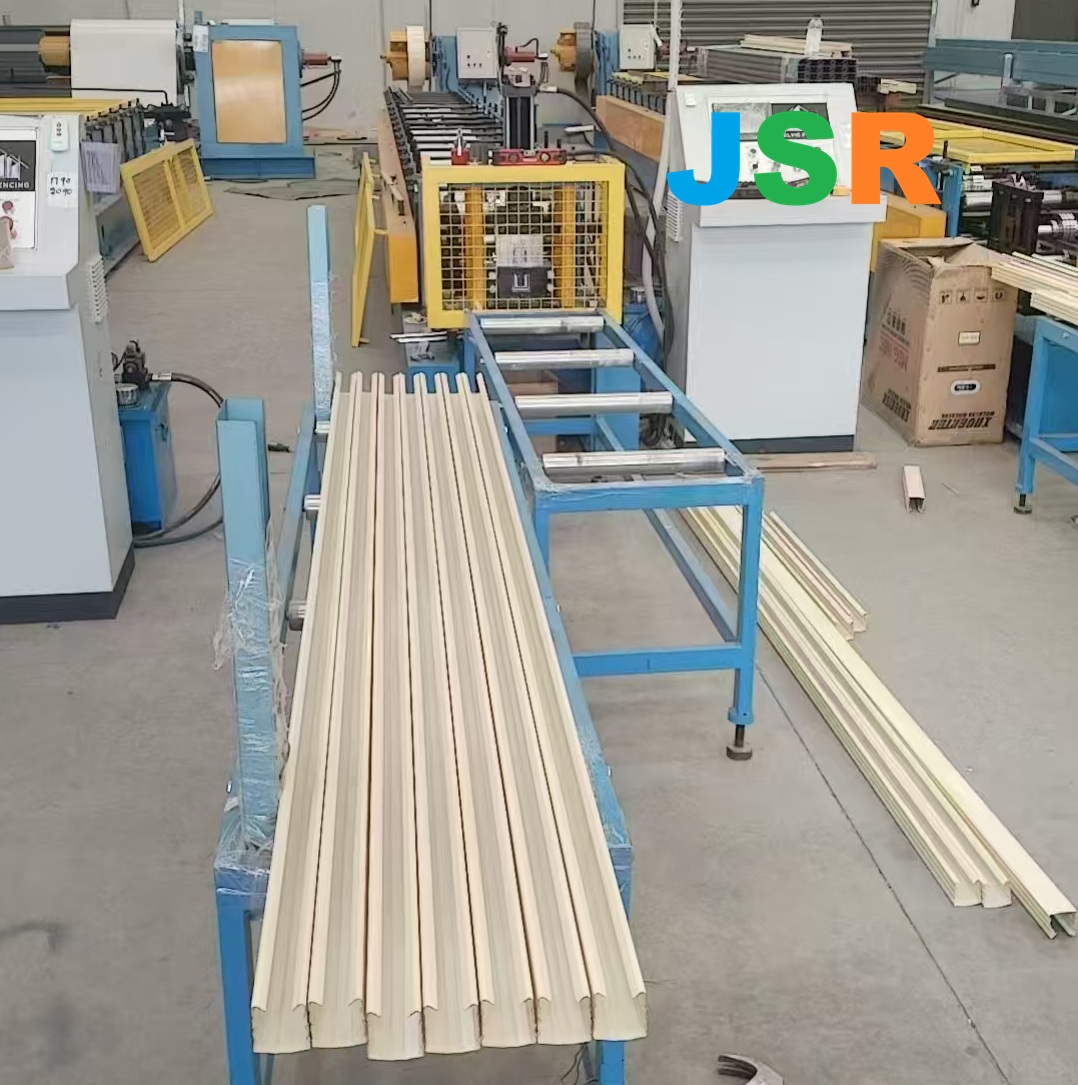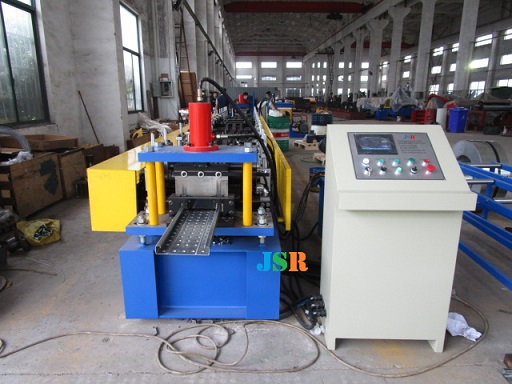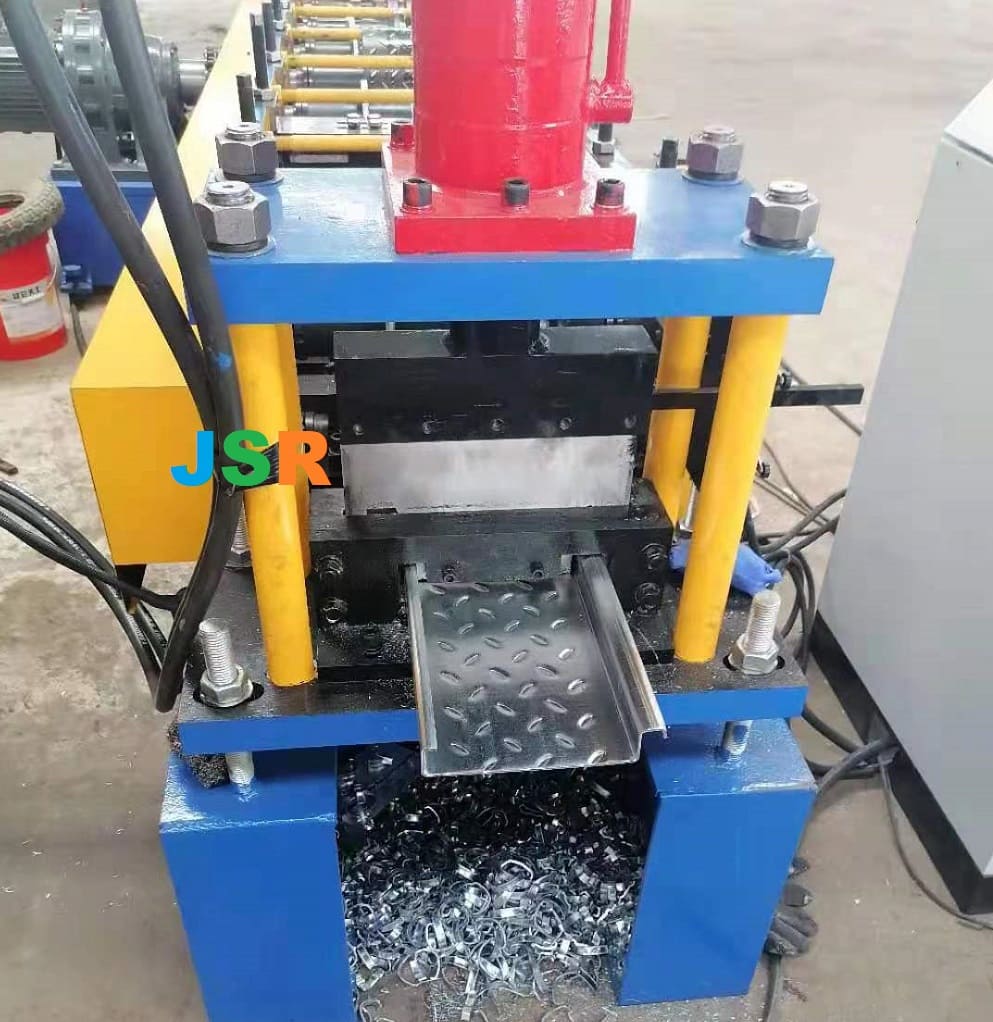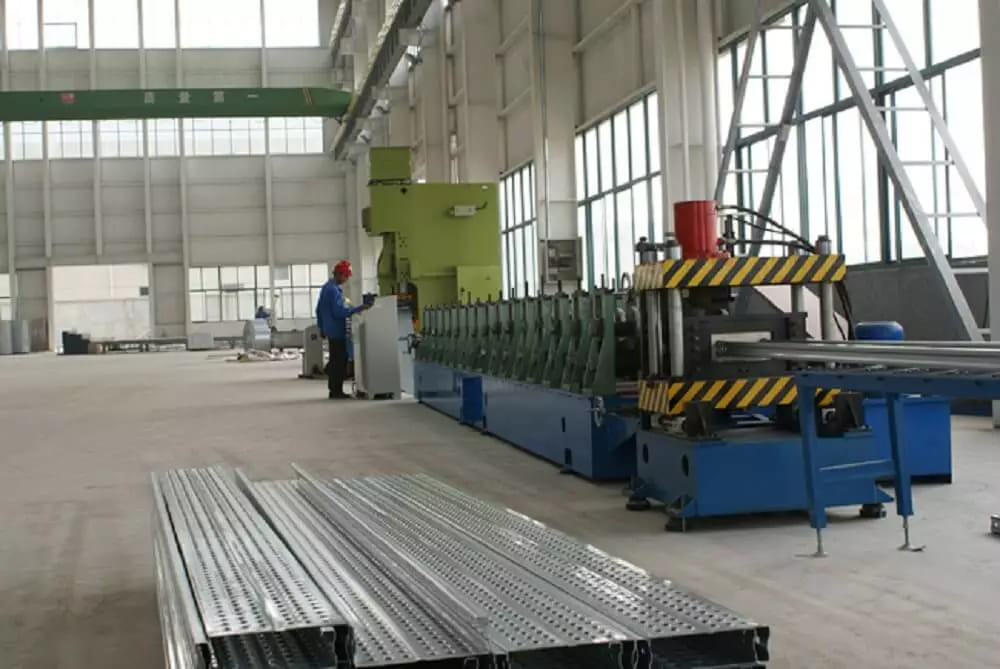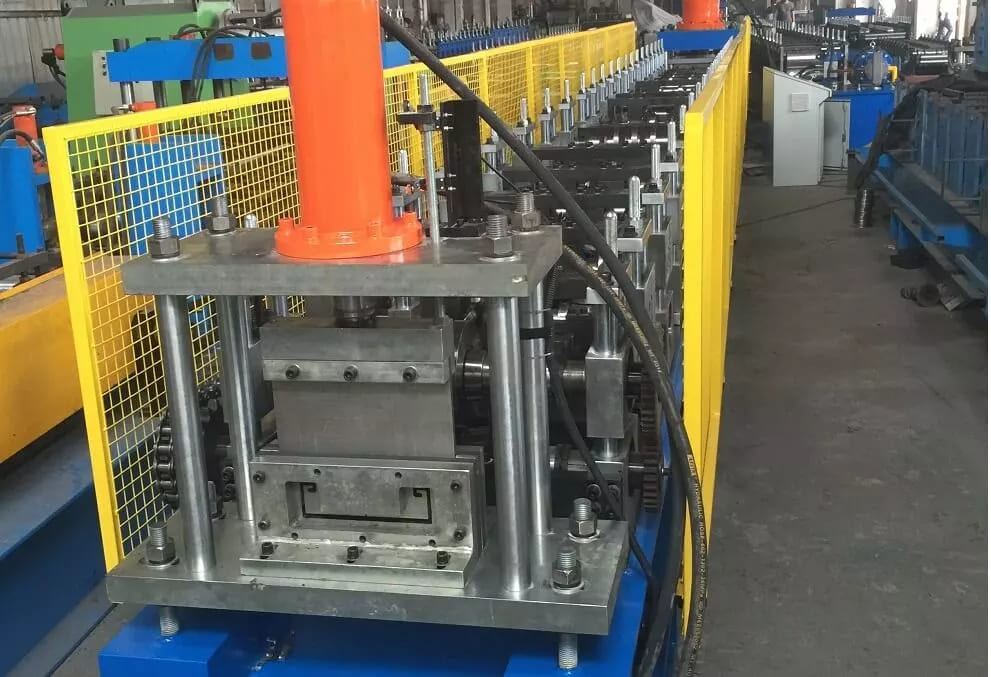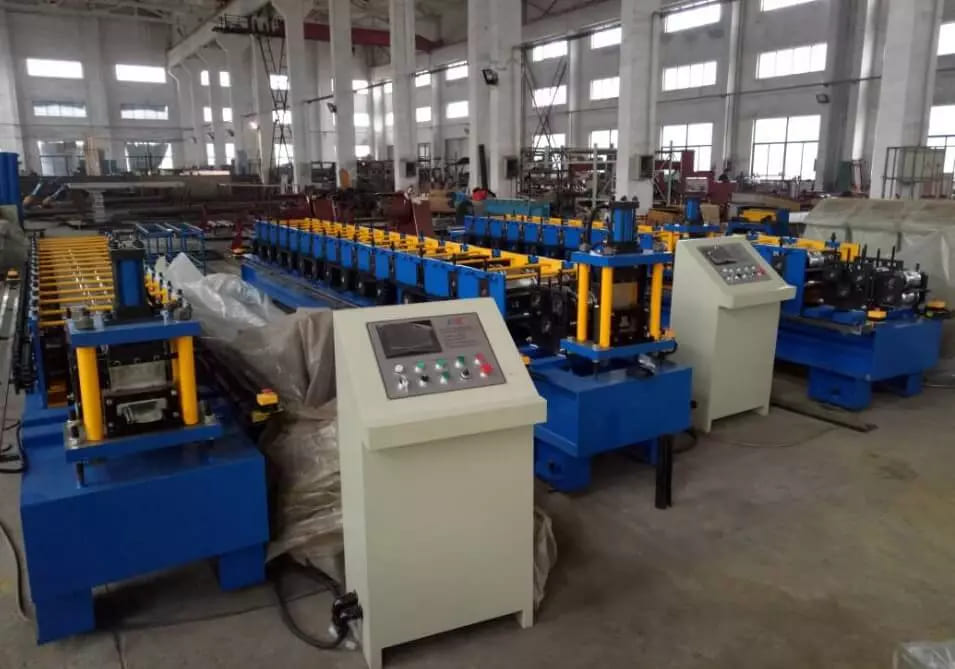

For manufacturers entering the roof drainage products market, machine cost is one of the first decision points. But the price of a downpipe roll forming machine depends on much more than the name of the machine.
A downspout roll forming machine may look simpler than a structural production line, yet quotations can vary substantially depending on:
This matters because JSR’s own pages already show that the category covers different regional product sizes, including 4×3 inch USA-style pipes and 100×220 mm UAE-oriented pipes.
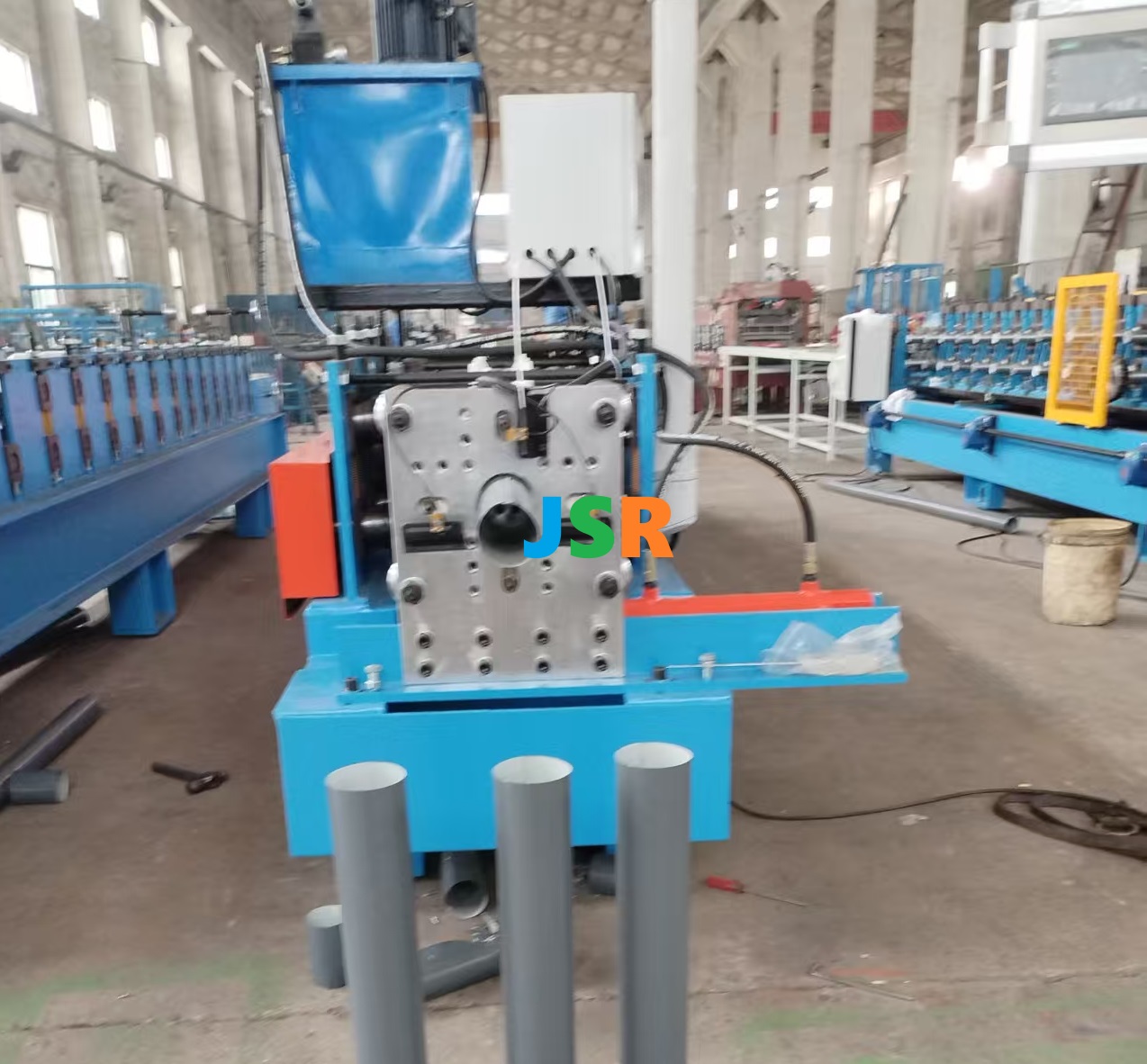
The price of a downpipe roll forming machine varies mainly because the end product varies.
A machine built for a standard rectangular downspout machine setup is different from one designed for:
JSR’s case pages and product pages make it clear that this category is highly driven by exact profile and market requirements, not just by a generic machine label.
A downspout forming machine for 4×3 inch US-style output is not the same as a machine for 100×220 mm output or an Oman square corrugated downspout configuration.
The cost of a metal downpipe machine depends partly on the material it is expected to process. JSR’s related product pages reference galvanized steel and highlight its durability and resistance to temperature-related expansion and contraction in guttering applications.
A higher-speed downpipe making machine usually costs more because stable forming and cutting at faster speed require stronger line coordination.
A more automated downpipe roll forming machine may include better PLC control, easier length setting, and more production stability, which can raise the quotation.
Since JSR repeatedly emphasizes “precise and well sealed roof drain pipe,” machine quality in this area affects commercial value directly.
Some buyers only want a straight downspout roll forming machine, while others also need a downspout elbow machine. JSR’s elbow page clearly shows that elbow production may require separate machinery.
A low-cost down pipe machine may sound attractive, but if it cannot maintain:
then the machine may create more commercial problems than savings.
For roof drainage products, clean and well-fitted output matters because the product is visible, functional, and often part of a system sale.
For many manufacturers, yes.
Compared with larger structural lines, a downpipe roll forming machine can be a practical way to enter a useful building-products segment. It is especially attractive for buyers who want to:
JSR’s site structure strongly supports this product-family logic by grouping gutter, fascia, and downpipe together.
When comparing quotations for a downspout roll forming machine, buyers should also include:
If elbow production is required, buyers should also consider whether they need a separate downspout elbow machine in the investment plan.
A more focused downpipe roll forming machine may be suitable for buyers who:
This can be a reasonable entry path when the product target is clear.
A stronger downspout roll forming machine is often better for buyers who:
For these buyers, machine reliability often matters more than the lowest headline quote.
No. The cost depends on pipe size, profile shape, speed, automation, and product quality requirements.
Usually the main factors are the exact downpipe profile, target size, speed, and whether the line is part of a wider system strategy.
In many cases yes, but it still depends heavily on the exact product specification.
Some flexibility may be possible, but this depends on machine design and should be confirmed before purchase.
Because JSR’s own case pages show different market sizes such as 4×3 inch for the USA and 100×220 mm for UAE, which require different machine setups.
Not always. JSR’s downspout elbow machine page shows that elbow production can be a separate machine.
Yes, if the buyer clearly understands the target profile and intended market.
You should provide the profile shape, pipe size, material type, thickness, market standard, and whether elbow production is needed.
Yes. The category is strongly market-specific, which can make export niches commercially attractive.
The biggest mistake is choosing a downpipe roll forming machine before confirming what exact downpipe shape the market buys.
The cost of a downpipe roll forming machine depends on the exact product strategy behind it. A downspout roll forming machine for one regional shape is very different from a broader machine plan that includes elbow compatibility or larger-scale export production.
For buyers entering the rainwater drainage market, the best machine is not simply the cheapest one. It is the one that can produce the correct downpipe profile for the target market with stable, commercially acceptable quality.