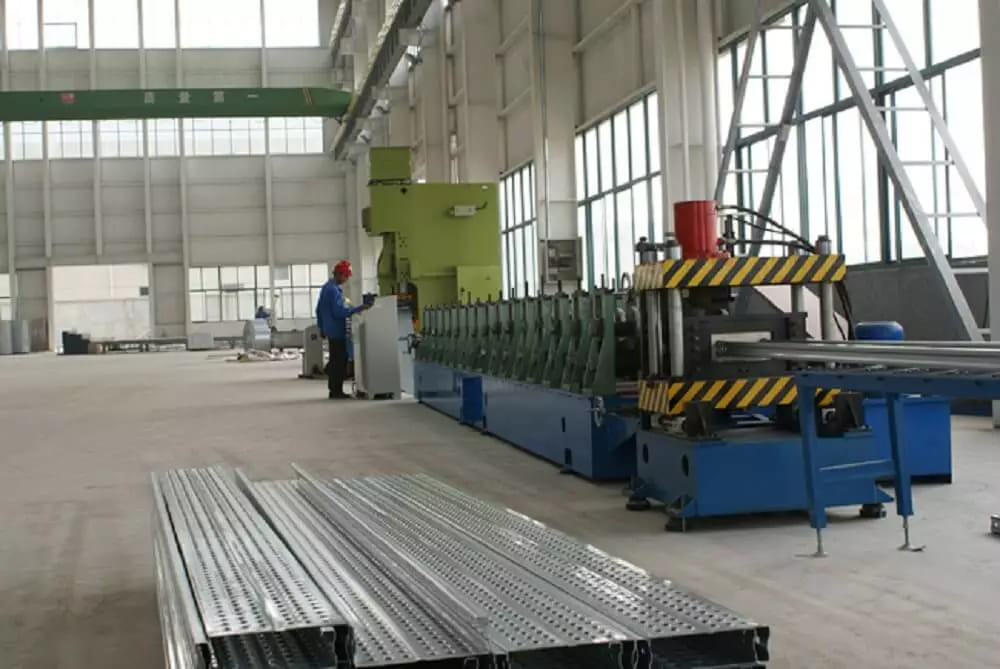

For manufacturers looking beyond basic sheet products, floor deck production is often an attractive next step. It sits at the intersection of steel construction, engineered building systems, and project-based industrial demand.
The question is whether it is truly a good business in 2026.
In many markets, the answer is yes, but not for superficial reasons. Floor deck production works as a business because it is connected to real structural construction demand, not only to trend-driven product interest.
This article looks at where the demand comes from, which applications drive the market, what kind of buyers need floor deck products, and why this category can make sense for manufacturers who want a stronger industrial product position.
Floor deck is not a decorative product. It is part of the construction system itself.
That matters because products linked to structural building demand often have stronger long-term relevance than purely appearance-based products. If steel construction continues to grow, floor deck demand remains meaningful.
The business potential comes from several factors:
This gives the category practical industrial value.
Office buildings, mixed-use developments, and shopping centers often rely on steel structural systems where floor decking is highly relevant.
Factories and plants may use floor deck systems for mezzanines, raised structural platforms, and larger steel construction systems.
As buildings go vertical, efficient slab systems become more important. Floor deck products help support that construction logic.
Some projects include mezzanine systems, raised storage platforms, and related steel floor structures where deck products are useful.
In certain designs, floor deck systems support fast and efficient steel-based floor construction.
Because the product serves many project categories, it is not limited to one narrow building type.
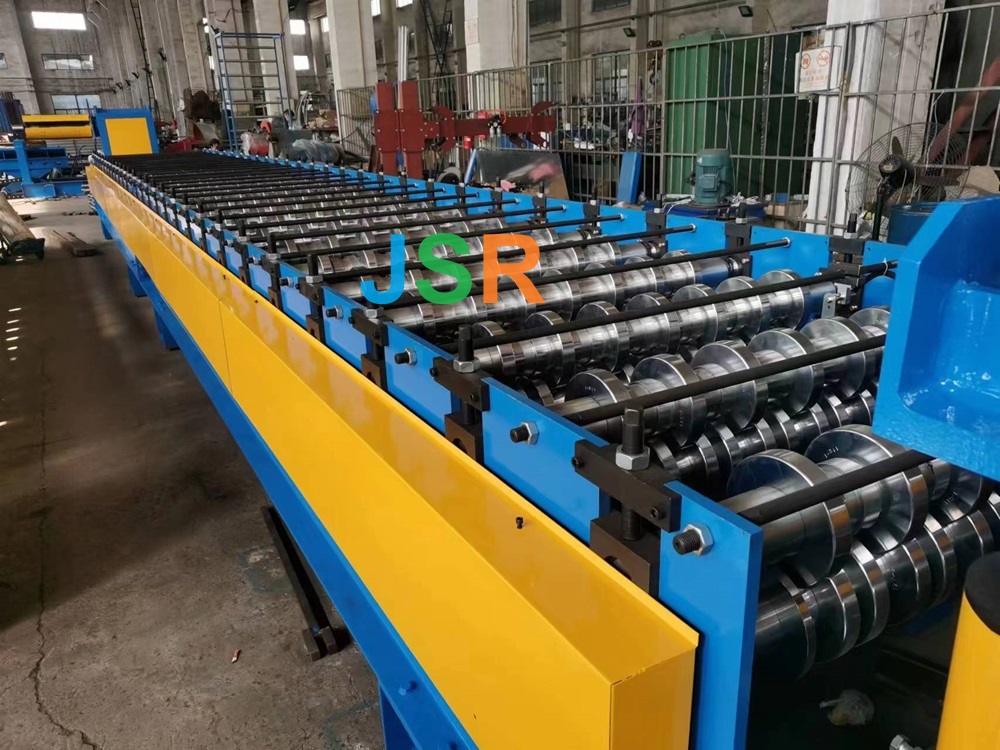
Several trends continue to make floor deck production relevant.
Contractors want to reduce time on site. Floor deck helps support quicker slab-related installation.
Construction labor is increasingly expensive or difficult to organize efficiently in many markets. Manufactured deck systems help reduce labor intensity.
Where steel frame building is active, floor deck products often follow naturally.
As projects become larger and more system-based, construction methods increasingly favor repeatable, engineered components.
Modern construction is gradually moving toward more factory-made building components. Floor decking fits that direction well.
Understanding the buyer side is important.
Typical customers may include:
This means floor deck sales often involve more technical communication than simple consumer-oriented building products.
Not in the same way as basic sheet output.
Although it is made from coil and produced through roll forming, floor deck has more technical and project relevance than standard sheet categories.
Its value depends on:
That creates room for manufacturers to compete on more than just low price.
Manufacturers can move from basic sheet products into a more structural category.
The product connects to modern building systems and engineering-oriented supply chains.
Project-based business can offer stronger order value than purely commodity channels in some markets.
The product is tied to construction systems, not only general market preference.
Machine quality, profile accuracy, and production stability can matter to the final buyer.
No product line is automatically easy.
If composite slab systems are not common in the target market, demand may be slower.
Choosing the wrong deck design for the wrong market can limit business potential.
A weak machine can create unusable structural profiles, which damages commercial credibility.
Compared with simpler sheet products, floor deck often requires more informed sales communication.
Construction demand can fluctuate by region and by project cycle.
These challenges are manageable, but buyers should be realistic.
Floor deck production tends to be more attractive where:
This may include mature construction markets and developing industrial markets, depending on building practice.
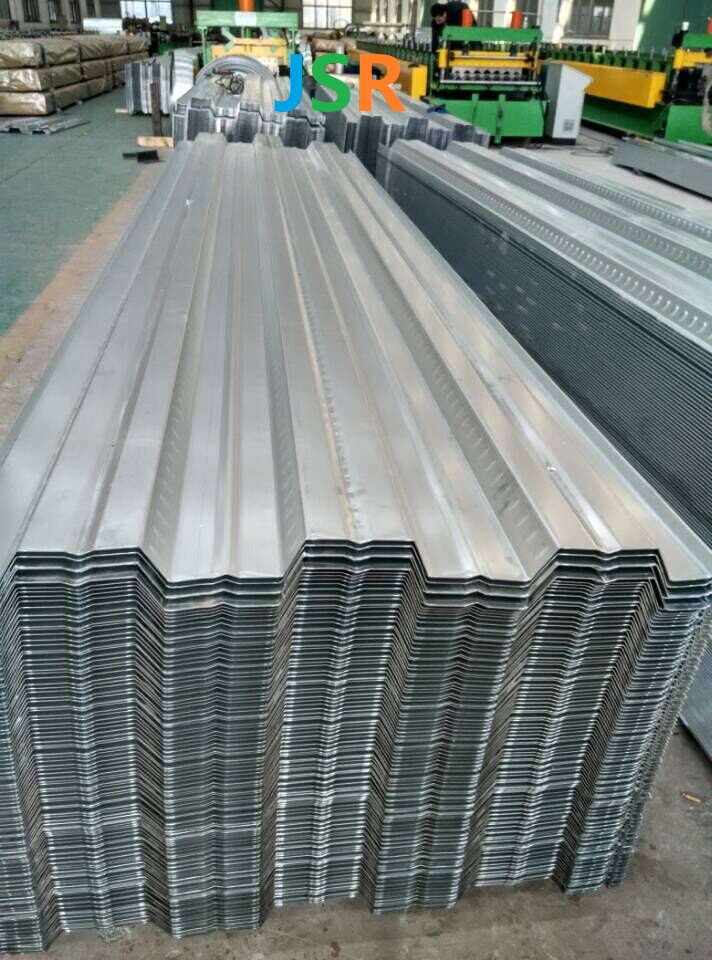
It can work in both directions.
Domestic markets can be attractive if local contractors want shorter supply chains, faster delivery, and closer project support.
Export opportunities exist where buyers seek:
Many manufacturers build local confidence first and expand outward later.
It can be, but only if the new entrant has product clarity.
A buyer entering floor deck production should understand:
For new entrants who want a more industrial and structural product line, this category can be a strong choice.
In many markets, yes. It is supported by steel construction growth and the need for faster building methods.
No. It is widely used in commercial, industrial, and multi-story steel construction, not only landmark projects.
It is not simply better or worse. It is a more structural and project-linked product category.
Yes. Market demand depends on whether the target region actually uses deck-based floor systems.
Yes, if the manufacturer can offer stable profile quality and the right deck design for the destination market.
Producing a profile that does not match actual market demand or using a machine that cannot maintain structural consistency.
Yes. It can connect to broader steel construction product lines and higher-value industrial profile segments.
Not necessarily, but smaller manufacturers should understand the product and market clearly before investing.
Because it serves real construction demand and can support more technical, higher-value business relationships.
Reliable profile quality, correct product-market fit, good machine stability, and practical understanding of structural construction needs.
Manufacturers often reach a stage where they want to move beyond simple commodity output and into products with stronger industrial relevance.
Floor deck production fits that shift well because it connects to:
For businesses seeking a stronger industrial position, this is meaningful.
In this category, a machine supplier is not evaluated only by brochure claims. Buyers care whether the supplier understands:
That is why real production logic matters.
Floor deck production can be a good business in 2026 because it is linked to real structural demand, not just product popularity.
As steel construction, faster project delivery, and industrialized building methods continue to expand, the relevance of floor deck systems remains strong.
For manufacturers who choose the right profile, match the machine to real production requirements, and serve the right markets, this segment offers practical value and long-term opportunity.