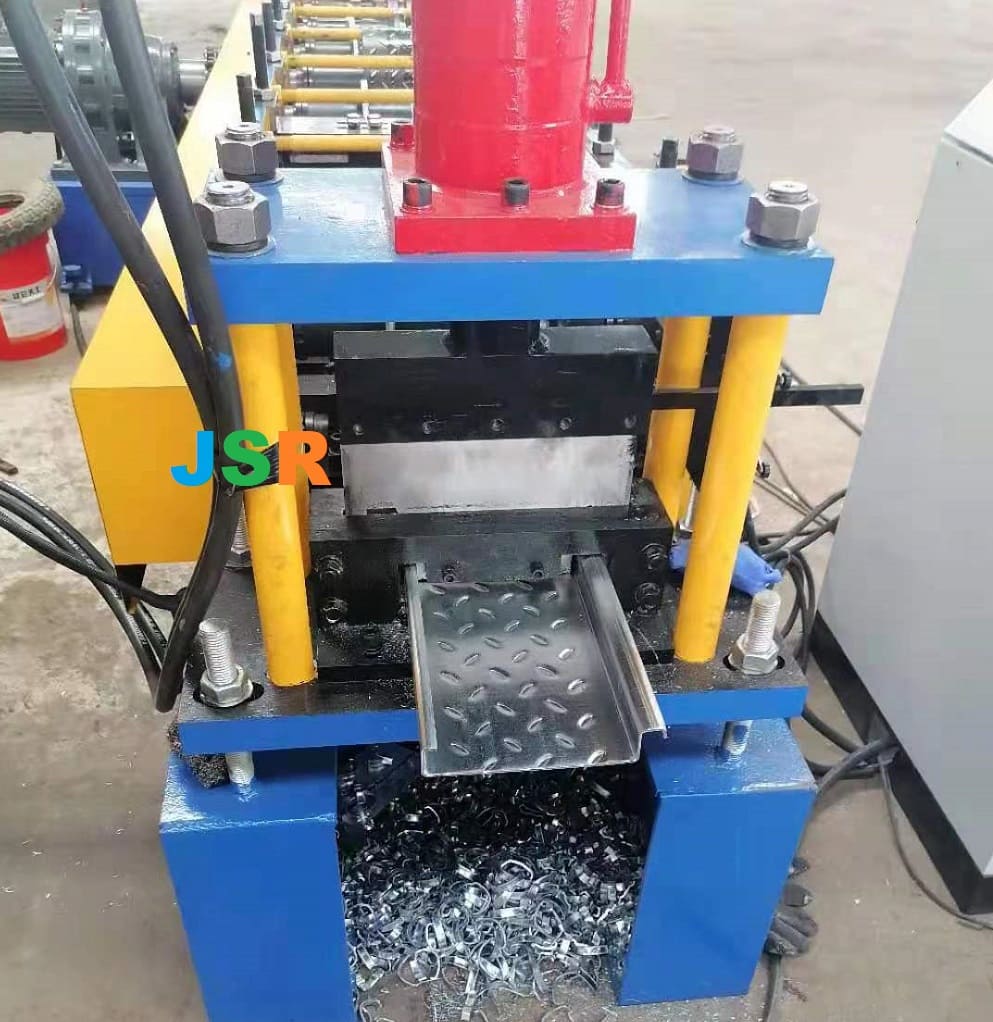

For manufacturers looking beyond standard roofing and wall products, scaffolding plank production remains an interesting and practical business opportunity in 2026.
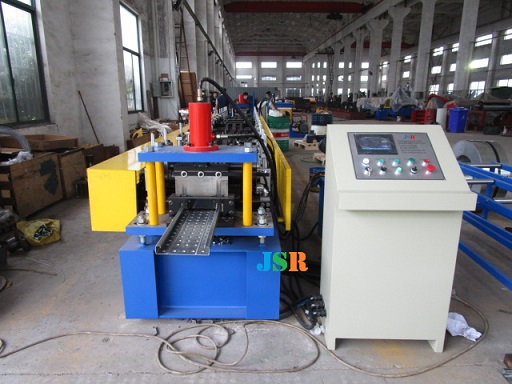
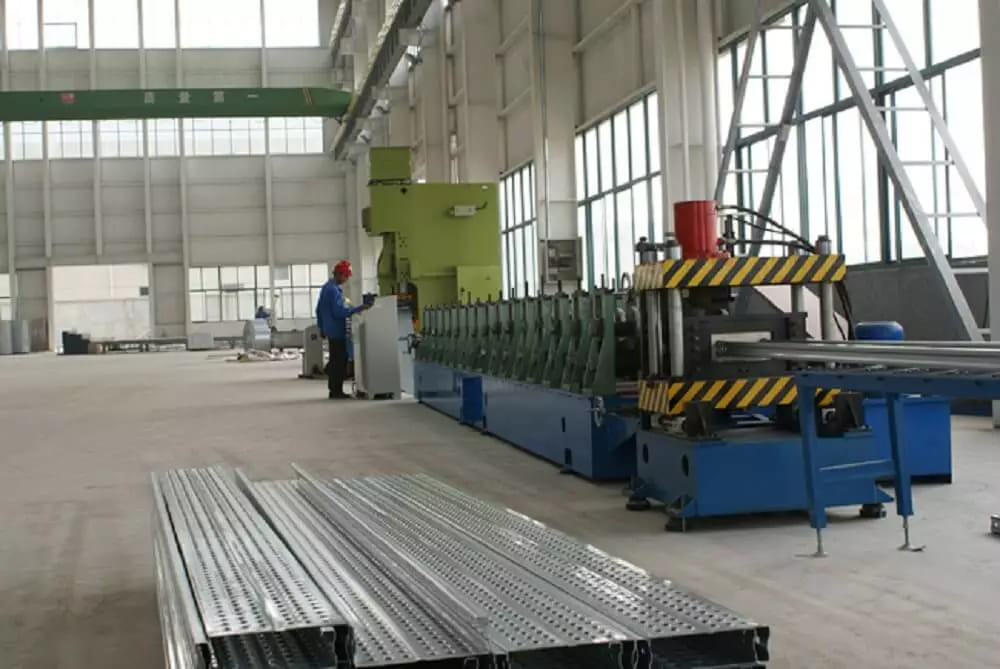
A scaffolding plank roll forming machine produces steel working-platform products used in scaffold systems and related access applications. Whether buyers search for scaffold plank machine, steel scaffolding plank machine, walk board roll forming machine, scaffold board machine, or scaffolding deck machine, the underlying business is the same: making steel planks used for safe standing, walking, and working support.
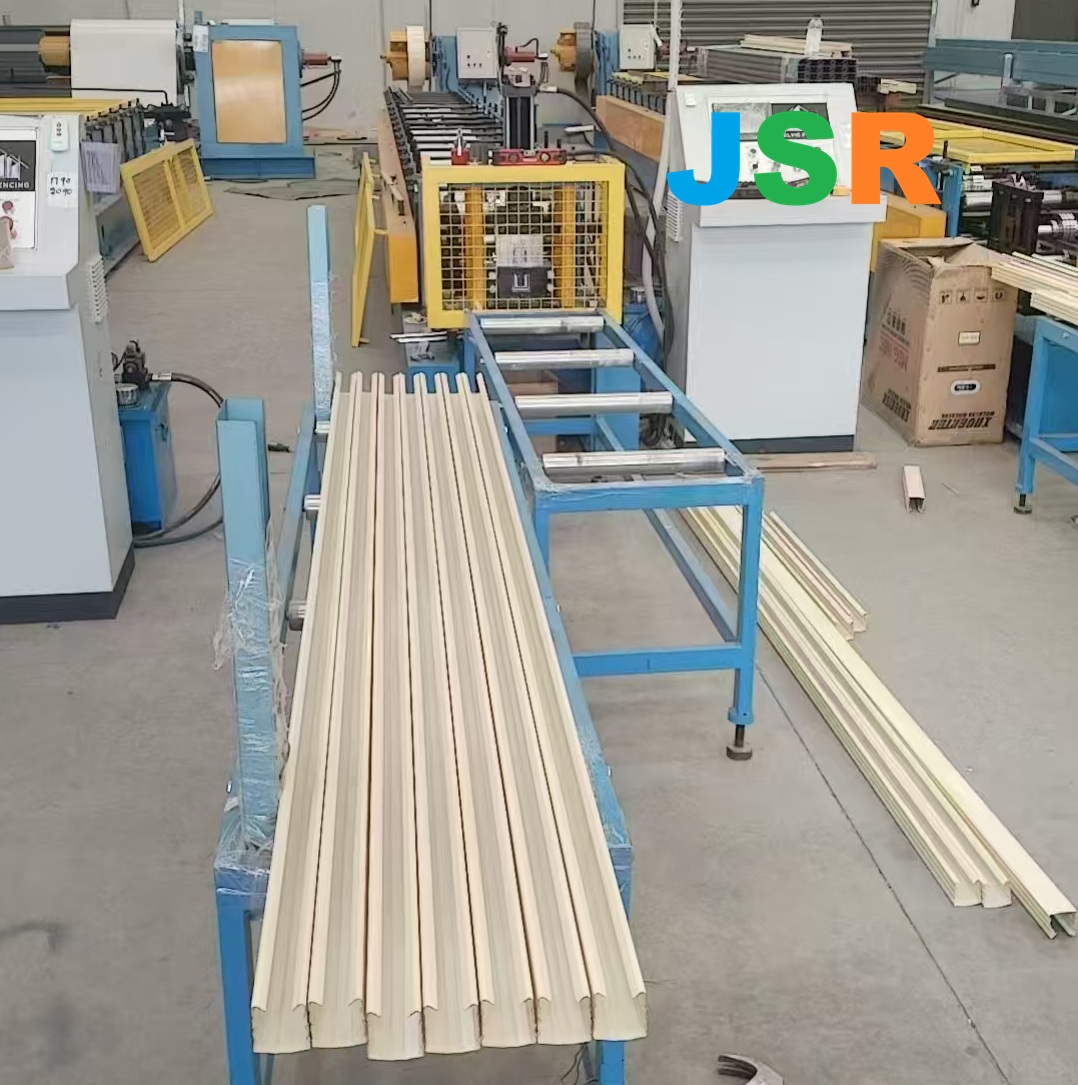
JSR’s own pages describe these products as steel planks used to provide the working platform for workers, with anti-sliding holes, drainage holes, perforated styles, or embossed walkway variants. That makes this category functionally important and commercially more specialized than simple sheet output.
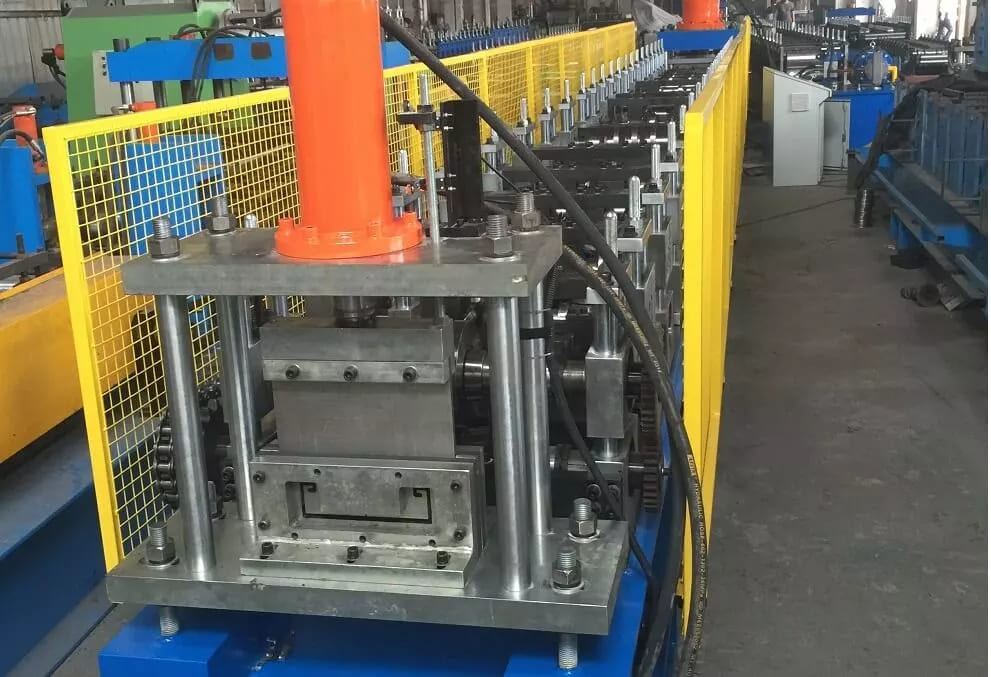
A scaffolding plank roll forming machine remains relevant because access systems are a practical necessity in many work environments.
Steel plank products are used where workers need:
This is one reason why a steel scaffolding plank machine can support a more industrial and utility-driven product line.
A scaffold plank machine supports products used in:
JSR’s own wording focuses on the plank’s role as the worker platform, which aligns closely with these practical access-system uses.
As long as workers need elevated access and platform support, scaffold plank demand remains relevant.
Perforated and embossed steel planks offer repeatable industrial use compared with simpler temporary board solutions.
A metal plank roll forming machine supports a more specific and technically meaningful product than generic plain sheet output.
JSR’s case references to Saudi Arabia and Israel show that this category is not only local. It has export relevance as well.
The category includes perforated planks, embossed walkway planks, and potentially different plank specifications for different buyers.
It can lean more toward a specialized industrial product line than many basic sheet categories.
A scaffold board machine business can compete through:
That gives manufacturers more room to position the business as a practical engineered product family rather than only a low-price metal item.
A scaffolding deck machine produces a product with direct jobsite use.
Compared with more crowded product categories, scaffold planks can be more distinct.
JSR’s references to Saudi Arabia and Israel suggest that this product category can travel well if the profile and production quality match the buyer market.
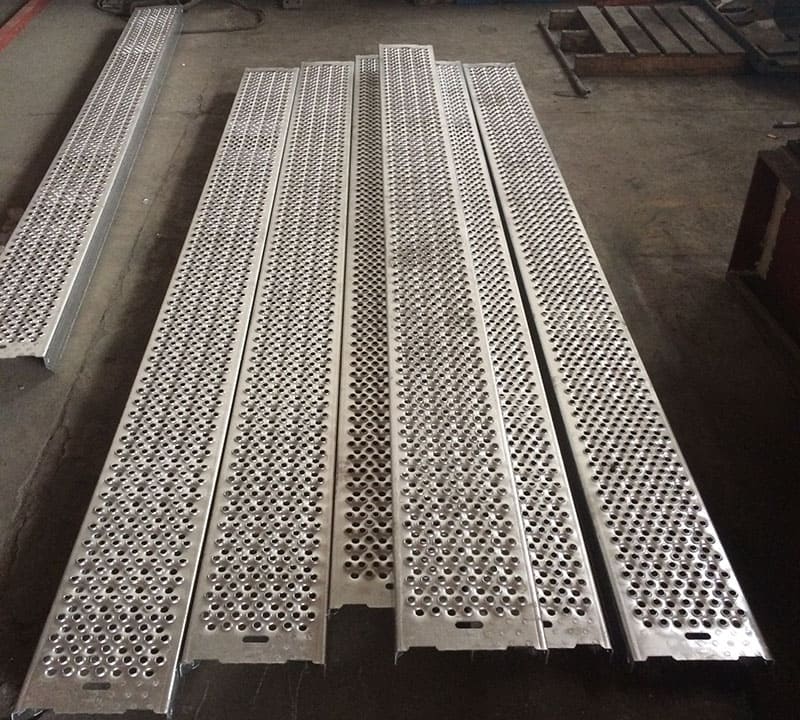
Perforated plank and embossed walkway plank directions give manufacturers some flexibility in product positioning.
This machine fits well into a site that already sells rack, cable tray, deck, and other industrial roll forming equipment.
A scaffolding plank roll forming machine is especially suitable for:
For these buyers, a steel walk board machine can be a sensible way to diversify into a useful working-platform product category.
Buyers need to know whether the market wants perforated plank, embossed walkway plank, or another steel platform type.
For a scaffold plank machine, punching and surface quality affect the commercial value directly.
JSR’s pages show the difference between hydraulic punch economy and punch-machine speed, so buyers should be realistic about their priorities.
In some markets, the manufacturer may need to clarify product advantages to buyers.
Not every market uses the same access-platform style, so profile fit matters.
Yes. One strong advantage of a scaffolding plank roll forming machine is that it fits naturally into a broader industrial-roll-forming portfolio.
On JSR’s own site, the plank machine sits beside products such as cable tray, C strut channel, storage rack, pallet rack step beams, and highway guardrail under the same scaffolding-and-rack grouping. That product neighborhood matters because it shows how scaffolding plank production fits into a broader industrial profile strategy.
That means a steel scaffolding plank machine can help strengthen the industrial identity of the overall machine catalog.
Yes, in many markets scaffolding plank production remains commercially relevant because it serves real access-platform demand in construction and industrial work.
It mainly serves construction and access-related applications, but broader industrial maintenance use also supports the category.
Because JSR highlights anti-sliding holes and drainage holes as functional product features.
Yes. JSR has a dedicated page for embossed steel walkway plank production using emboss rollers.
Yes. JSR shows customer-related scaffolding plank content for Saudi Arabia and Israel.
Yes. It is a more specialized and industrially credible category than many generic metal-sheet products.
The biggest risk is choosing the wrong plank type or hole/surface configuration for the target market.
Because punching defines anti-slip and drainage performance in perforated plank products.
Not always. JSR notes hydraulic punch is more economical, but punch-machine versions may run faster in some cases.
Consistent plank output, correct product fit, stable machine performance, and good understanding of the target scaffold plank style.
A scaffolding plank roll forming machine can still be a strong business opportunity in 2026 because it produces a practical steel platform product used in real working environments.
Whether buyers search for scaffold plank machine, walk board roll forming machine, scaffold board machine, or scaffolding deck machine, the commercial opportunity is tied to the same idea: making reliable steel planks for access and working support.
For manufacturers who want a more industrial, project-relevant, and export-capable product line, this category remains well worth considering.