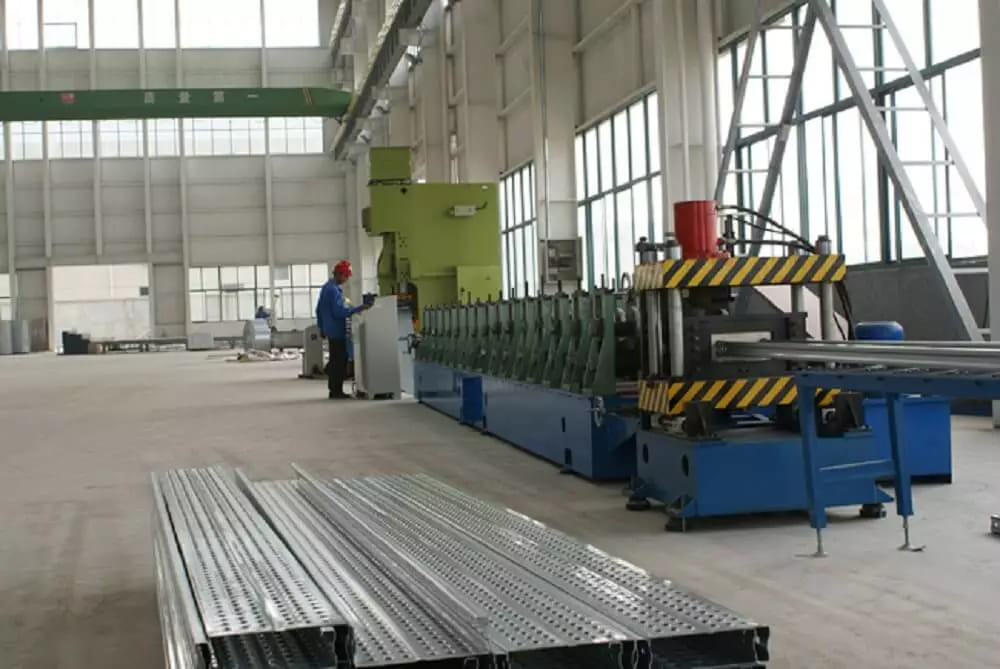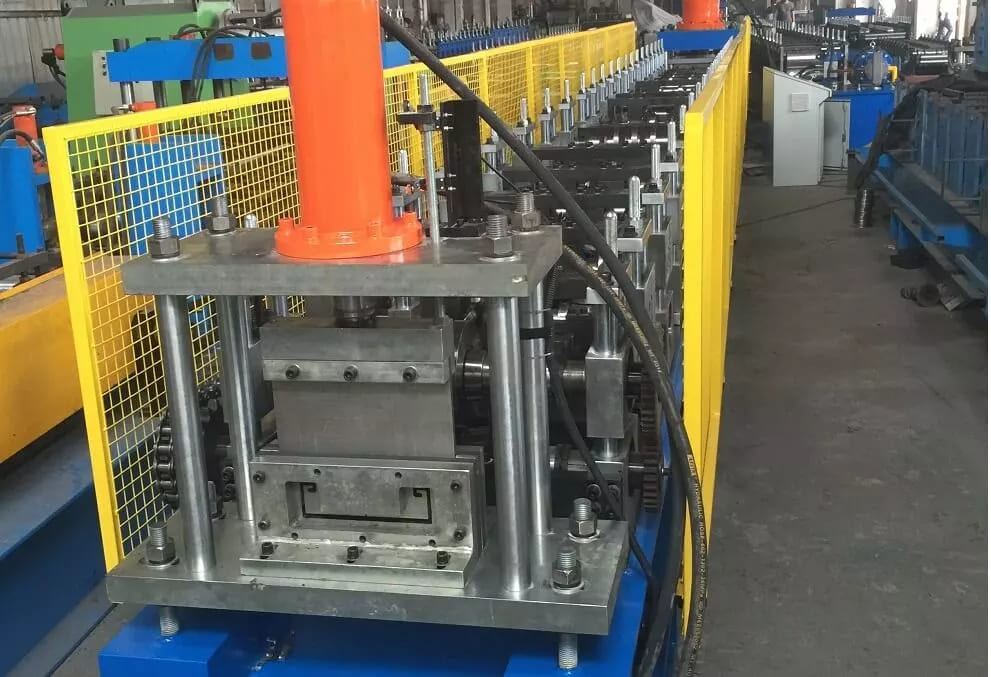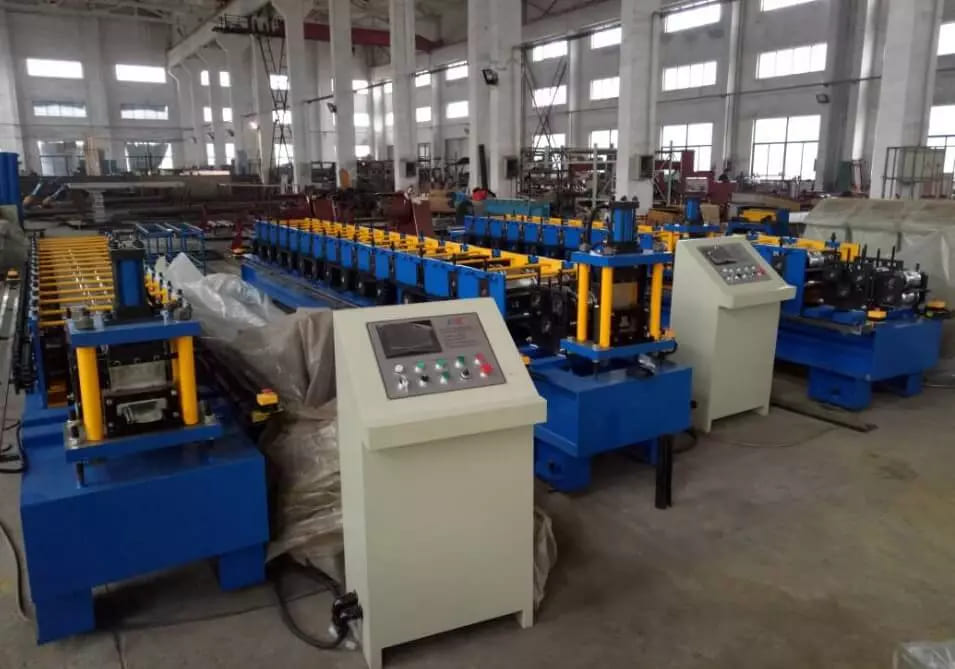

For manufacturers looking for a practical product line in roofing accessories, gutter production remains a solid business opportunity in 2026.
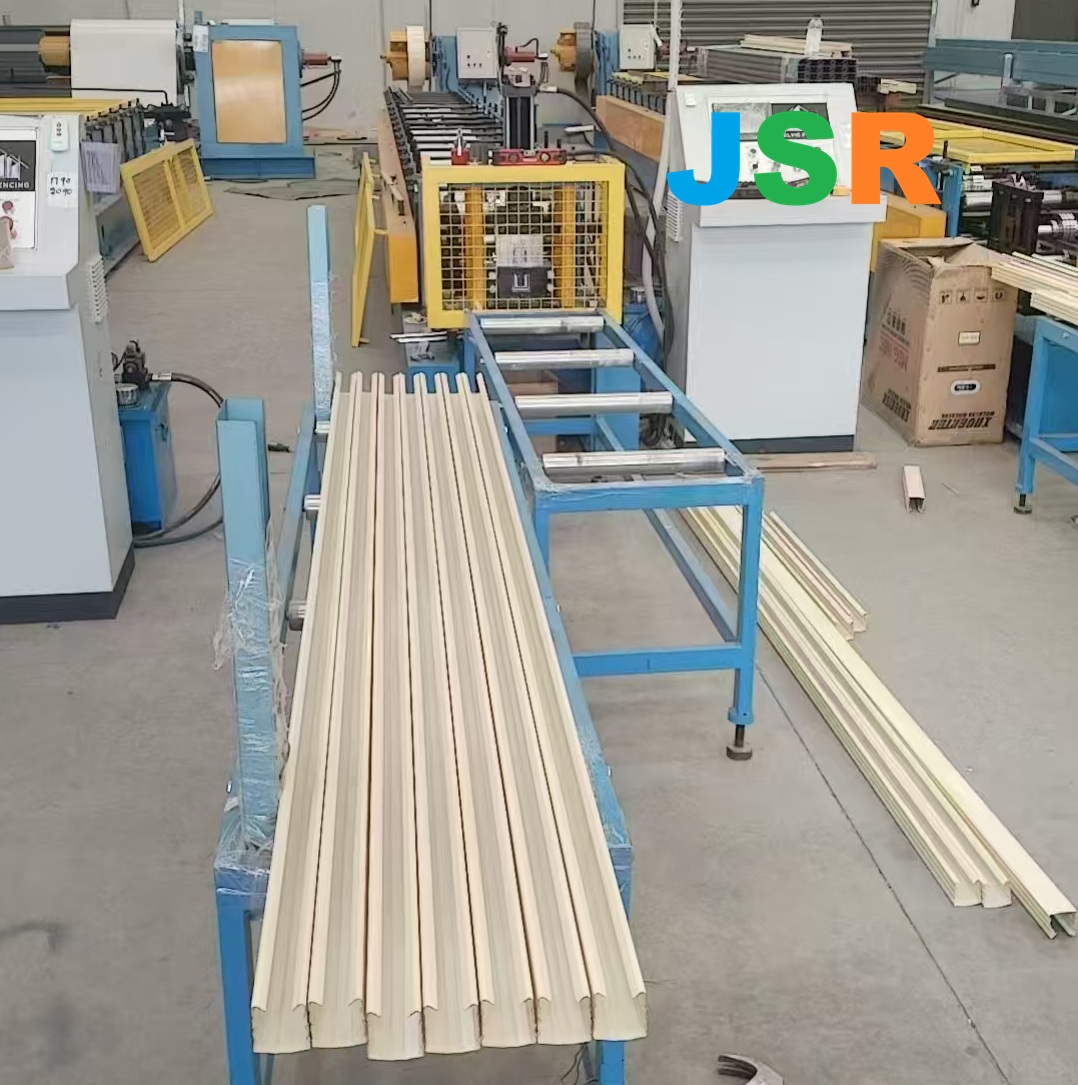
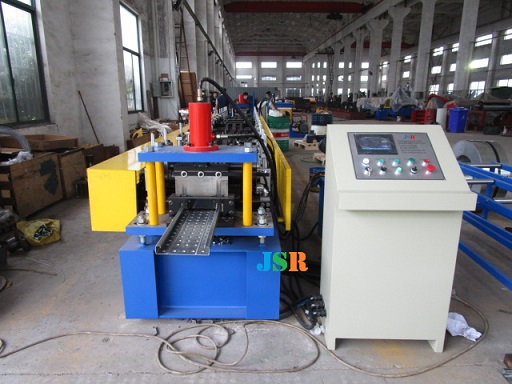
A gutter forming machine produces one of the most necessary and easiest-to-understand parts of a roof drainage system. Whether buyers search for a gutter roll forming machine, rain gutter machine, metal gutter roll forming machine, or gutter making machine, they are looking at a product category linked to a very basic building function: moving rainwater safely away from the roof and the structure.
That basic function is exactly why the category remains commercially relevant. Gutters are not trend-dependent products. They are part of practical building drainage demand.
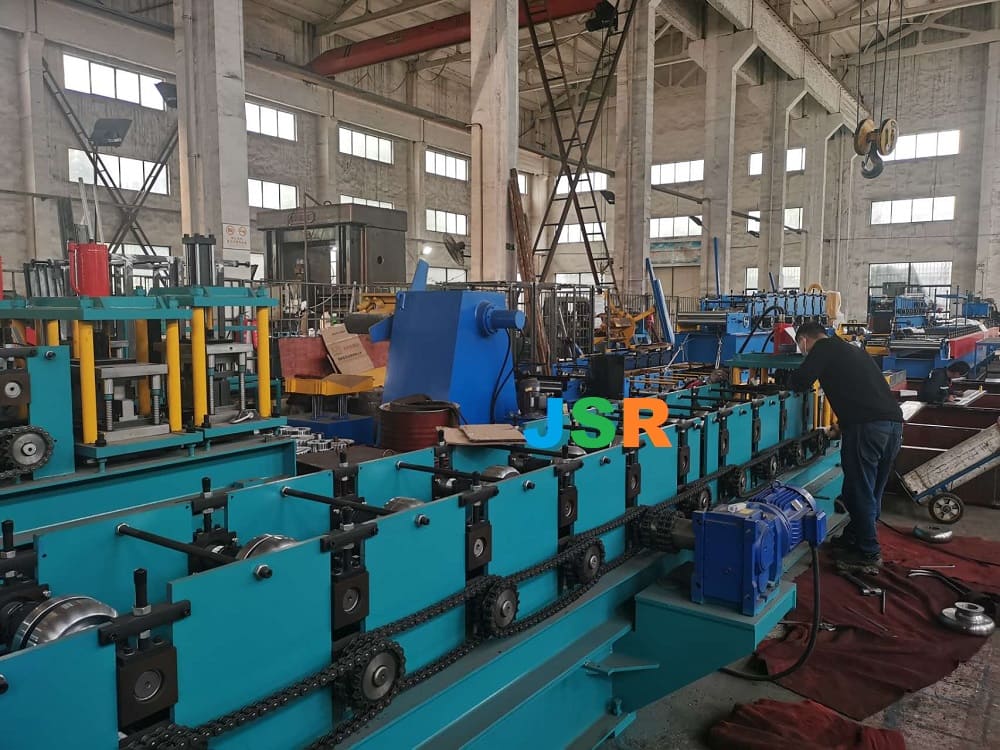
A gutter forming machine remains relevant because roof drainage is essential in many building systems.
A gutter product is needed to:
On JSR’s site, the gutter category is already presented together with downpipe and fascia related equipment, which reflects real commercial logic: gutter production often works best as part of a broader rainwater drainage product family.
That gives a gutter roll forming machine practical, long-term market value.
A rain gutter machine supports products used in many building types.
This is one of the strongest markets for products made by a gutter forming machine.
More decorative or profile-specific products from a metal gutter roll forming machine can serve architectural demand.
Smaller commercial structures and light business buildings also need rainwater drainage systems.
Farm structures and utility buildings often require practical gutter and downpipe systems.
Older buildings often replace damaged or worn gutter systems, which supports repeat demand.
This wide application range helps make gutter production a commercially stable category.
Unlike some optional building products, gutter systems are part of basic building protection.
Every new sloped roof system can create demand for gutter products.
A gutter making machine is not only useful for new buildings. It also supports retrofit and maintenance markets.
Because different countries prefer different gutter shapes, a gutter forming machine can support export-oriented niche demand.
A gutter and downpipe machine strategy often supports stronger commercial potential than selling gutter profiles alone.
It can be both.
In some markets, products from a rain gutter machine are sold through highly competitive distribution channels where price matters heavily.
In other markets, buyers care more about:
That means a metal gutter roll forming machine business still leaves room to compete on quality, profile matching, and service, not only on low price.
A gutter forming machine supports products needed across multiple building sectors.
Customers understand what gutters are and why they need them.
Compared with more structural roll forming lines, a gutter roll forming machine can be an easier commercial entry point.
A business based on a rainwater gutter machine can grow into fascia, downpipe, and related drainage components.
The product must work well and look clean, which allows quality to matter.
A gutter forming machine can support both local and export business models.
A local gutter making machine business can serve contractors, roofing suppliers, and building material dealers.
An export-oriented rain gutter machine business can work well if the manufacturer focuses on profile-specific market demand.
JSR’s own wording around multiple gutter designs for the Australia market is a good reminder that regional profile fit is critical in this product category.
That means a gutter forming machine can be commercially effective in export if the manufacturer focuses on the exact gutter shape the destination market already uses.
A gutter roll forming machine is especially suitable for:
For many businesses, a gutter making machine is not an isolated product decision. It is part of a wider roof drainage product strategy.
A gutter forming machine can be a strong investment, but buyers still need to plan carefully.
The biggest risk is producing a gutter profile the local market does not use.
Because gutters are visible finished products, poor output from a metal gutter roll forming machine can damage the business quickly.
Standard gutter products can be price-sensitive in mature markets.
If a buyer only thinks about the single machine and not the broader gutter and downpipe machine business opportunity, growth may stay limited.
For gutter products, visual neatness matters almost as much as functional drainage.
Yes, and this is one reason the category is commercially attractive.
A gutter forming machine can naturally connect to:
JSR already presents gutter, downpipe/downspout, and fascia inside the same product family, which matches the way many manufacturers build this business in practice.
That means a rain gutter machine can often be the first step toward a more complete drainage product line.
Yes, in many markets gutter production remains a practical business because it serves basic roof drainage demand in both new construction and replacement work.
No. A gutter forming machine can support residential, commercial, agricultural, and light industrial drainage products.
Yes. Old or damaged drainage systems create replacement demand, which helps support ongoing sales.
Yes, if the manufacturer matches the correct market profile. Gutter products are highly region-specific.
Because a gutter roll forming machine is only commercially useful if it produces the gutter shape buyers in that market already use.
In many cases yes. It can be a practical entry into roofing accessories and rainwater system products.
Yes. A gutter making machine business can naturally expand into downpipe, downspout, and fascia related equipment.
The biggest risk is choosing the wrong profile for the target market.
Because gutters are visible finished products and must also function correctly in drainage applications.
Stable profile quality, correct profile design, clean output, and understanding of local gutter market standards.
When buyers compare a gutter forming machine, they usually care about more than machine appearance or base quotation.
They want to know:
That is why the supplier’s understanding of the full gutter-and-pipe product family matters.
A gutter forming machine can still be a very good business investment in 2026 because it produces a necessary and easy-to-sell roofing drainage product with broad real-world application.
Whether buyers search for a gutter roll forming machine, rain gutter machine, metal gutter roll forming machine, or gutter making machine, the business opportunity is tied to the same practical demand: building roof drainage systems that work.
For manufacturers who choose the right profile, maintain good quality, and expand intelligently into related drainage products, gutter production remains a commercially useful and scalable product segment.