
For manufacturers considering insulated building materials, one of the biggest questions is whether sandwich panel production is still a good business in 2026.
In many markets, the answer is yes.
A well-positioned sandwich panel production line can serve a broad range of building applications, including industrial walls, roofs, cold rooms, cleanrooms, prefab enclosures, and energy-saving building systems. Whether buyers search for a sandwich panel line, sandwich panel machine, PU sandwich panel production line, rockwool sandwich panel line, or EPS sandwich panel machine, they are usually looking at the same broader opportunity: producing insulated panels for modern construction.
This category has become attractive because it connects manufacturing with several long-term market trends:
That makes sandwich panel production much more than a niche business.
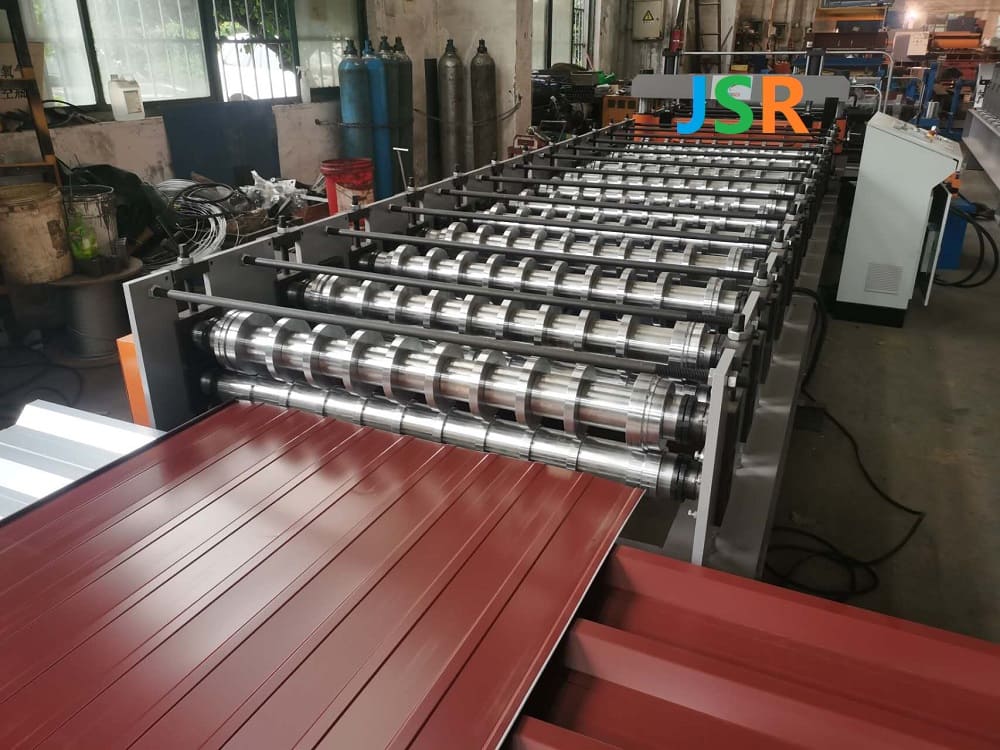
A sandwich panel line produces products that are functionally important, not only visually useful.
Insulated panels are valued because they can provide:
That is why a sandwich panel production line is relevant to several industries, not only one.
When a manufacturer invests in a sandwich panel machine, the business opportunity may extend into:
The product category is broad enough to support multiple sales paths.
A roof wall sandwich panel line is highly relevant for factories, warehouses, and industrial enclosures where insulation and quick installation matter.
A cold room panel production line supports one of the most commercially important insulated panel applications. Cold rooms, food storage, and refrigerated facilities continue to create demand.
Certain sandwich panel production line configurations support cleanroom wall and enclosure systems for pharmaceutical, electronics, and controlled-environment uses.
A sandwich panel machine can support prefab structures, modular site buildings, and fast-install wall and roof systems.
The growth of warehouses, logistics centers, and commercial distribution buildings supports ongoing need for insulated panel systems.
Several major business trends continue to support sandwich panel production.
Buildings increasingly need better thermal performance. That helps support demand for products made by an insulated sandwich panel production line.
Panels produced on a sandwich panel line can reduce on-site labor and speed up enclosure installation.
The expansion of food, pharma, and specialized industrial spaces supports cold room panel production line and cleanroom-related insulated panel demand.
Many contractors prefer systems that are more factory-made and less labor-intensive on site. A sandwich panel production line fits that trend.
In more markets, insulated panels are no longer seen as specialty products. They are becoming standard solutions for many building types.
It can be both, depending on the market and product position.
Some buyers treat sandwich panel production as a competitive large-volume business, especially in standard roof and wall panel markets.
Other buyers position the business around:
This means a manufacturer can choose to compete through volume, specialization, application focus, or product quality.
That flexibility is part of what makes a sandwich panel machine business attractive.
There is no single answer, but several paths are especially strong.
This is usually linked to a continuous sandwich panel line and broader market demand.
A cold room panel production line or flexible discontinuous sandwich panel line may work well in refrigeration-related markets.
A PU sandwich panel production line is often attractive where thermal performance and premium insulated panels are valued.
An EPS sandwich panel machine may be more attractive in price-sensitive or more practical local markets.
A rockwool sandwich panel line may be attractive where fire performance and industrial enclosure standards matter more.
Each path has different customers, margins, and competition levels.
A sandwich panel production line may support sales to:
This means the output of a sandwich panel machine is not limited to one narrow customer type. The business can be structured around distributors, project sales, or integrated panel supply.
It can be, but not blindly.
A new buyer should understand:
A sandwich panel production line can be a very strong business, but only when product type and market logic are clear from the start.
A manufacturer may invest in a PU sandwich panel production line while the local market mainly wants lower-cost EPS systems.
A large continuous sandwich panel line requires real market absorption.
Panels produced by a sandwich panel machine are expected to perform well in insulation, structure, and appearance. Poor consistency can hurt the business quickly.
Some roof and wall sandwich panel markets are competitive, so product strategy matters.
A sandwich panel production line business often requires a more complete sales strategy than basic sheet products.
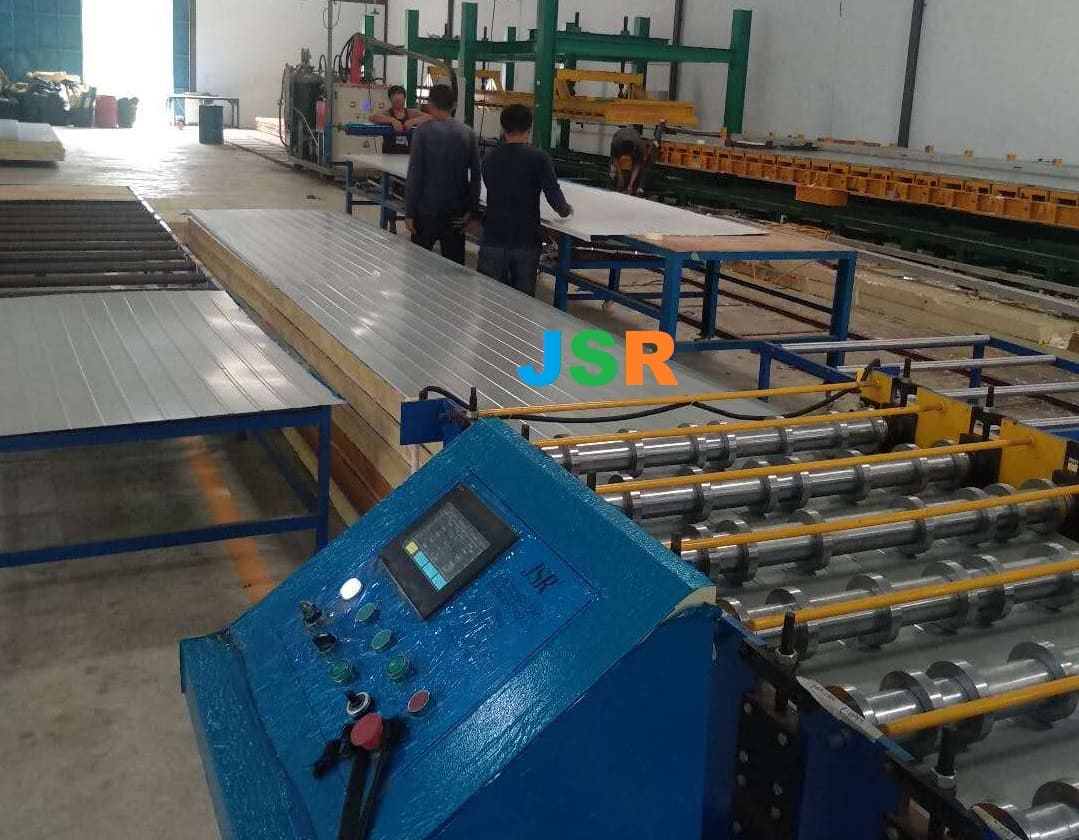
A sandwich panel line can be attractive because it offers:
For manufacturers who want to move beyond simple sheet profiles, a sandwich panel production line can be an important upgrade in business positioning.
Yes, in many markets sandwich panel production remains a strong business because of demand in industrial buildings, cold rooms, prefab systems, and insulated wall and roof construction.
Yes. A roof wall sandwich panel line is one of the most common applications in this category.
In many markets, yes. A cold room panel production line can serve refrigeration, food storage, and temperature-controlled construction demand.
It depends on the market and business model. A continuous sandwich panel line is often better for larger-scale standardized output, while a discontinuous sandwich panel line is often better for flexibility and smaller-scale production.
That depends on the target market. A PU sandwich panel production line may suit higher-performance insulated panel demand, while an EPS sandwich panel machine may fit more cost-sensitive markets.
Yes, a rockwool sandwich panel line can be attractive where fire resistance and industrial performance are strong selling points.
Typical customers include industrial contractors, cold storage builders, prefab suppliers, distributors, and specialized project suppliers.
Yes. A sandwich panel production line can support export if the manufacturer matches the correct product standards and application needs of the destination market.
The biggest risk is choosing the wrong panel category or the wrong line type for the actual target market.
Because a sandwich panel machine supports higher-value insulated products with broader system-level applications.
When buyers evaluate a sandwich panel line, they usually care about more than equipment layout.
They want to know:
That is why the supplier’s understanding of the full product business matters.
A sandwich panel production line can still be a very good business in 2026 because insulated panel demand remains relevant across industrial, commercial, refrigeration, and prefabricated construction sectors.
Whether the buyer chooses a continuous sandwich panel line, discontinuous sandwich panel line, PU sandwich panel production line, EPS sandwich panel machine, or rockwool sandwich panel line, the real opportunity comes from matching the right product system with the right market.
For manufacturers who want to move into a higher-value, system-oriented building material business, sandwich panel production remains one of the stronger options.