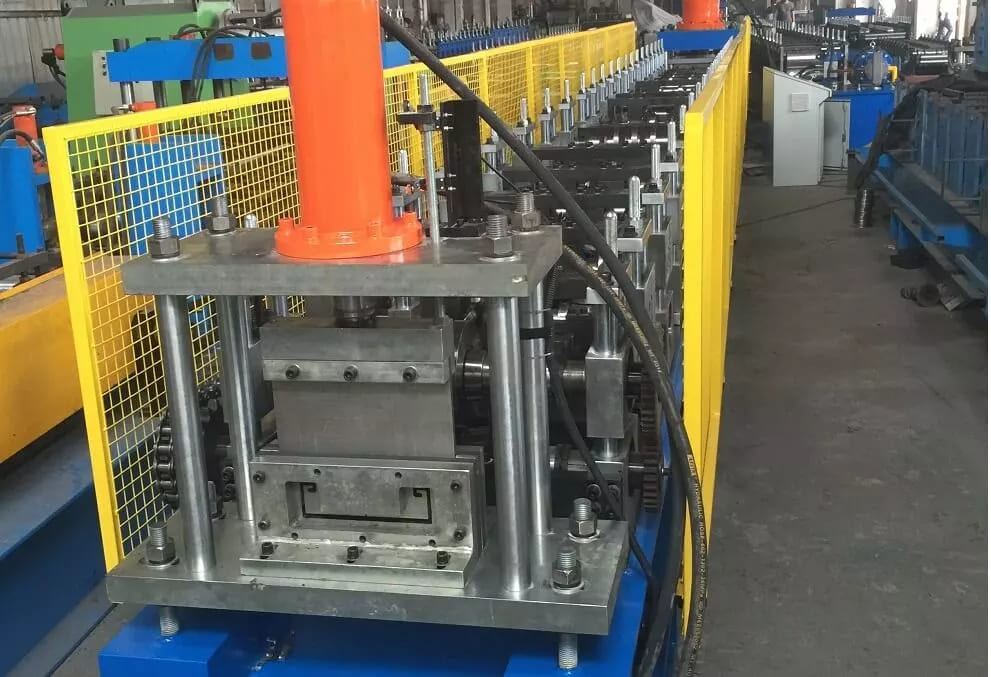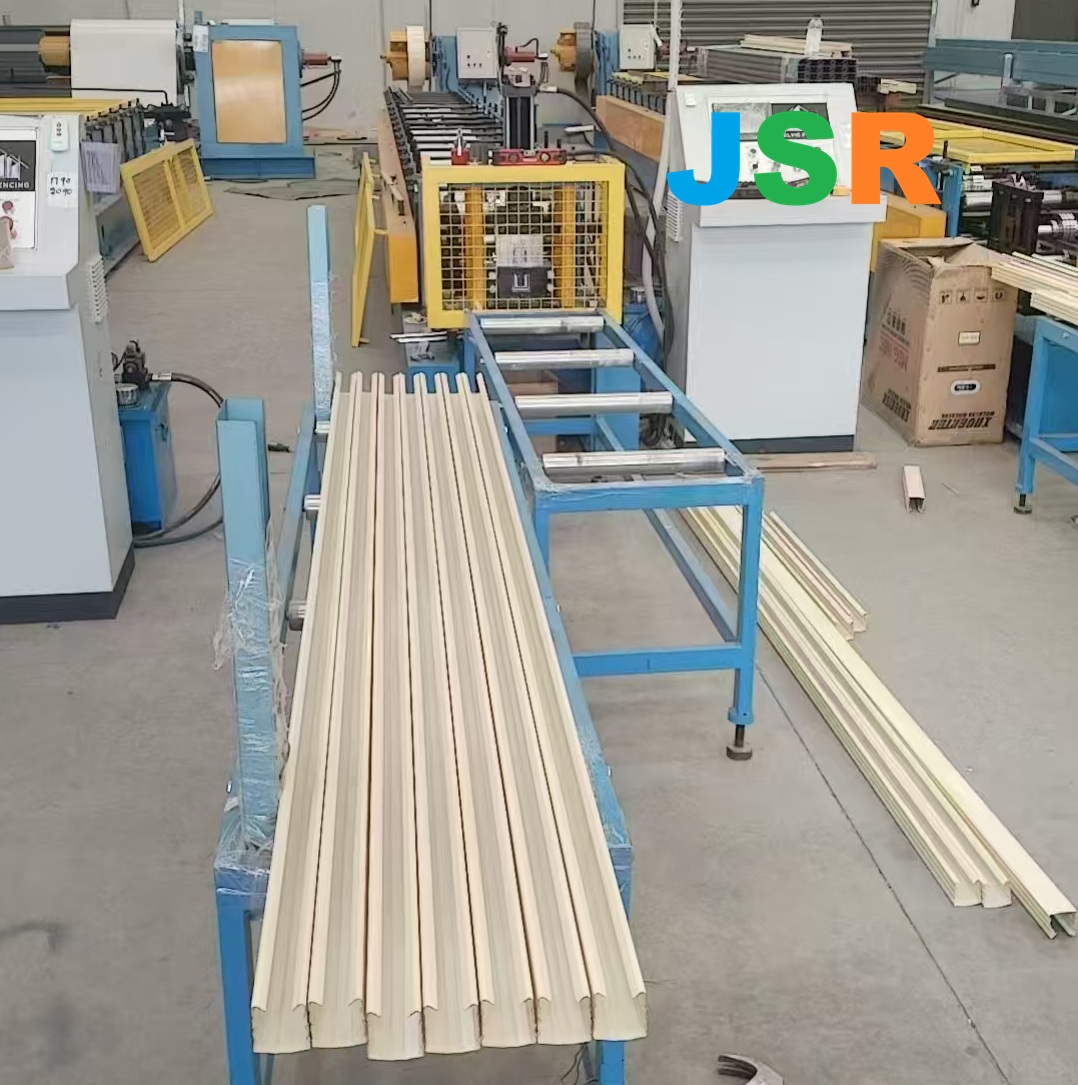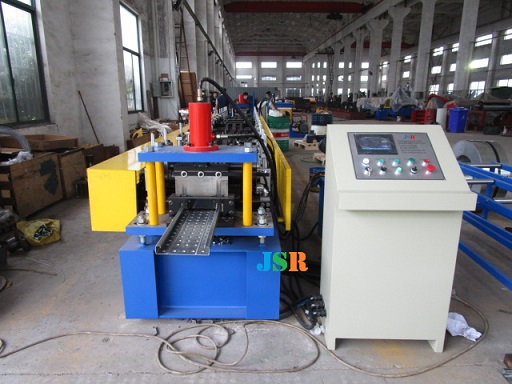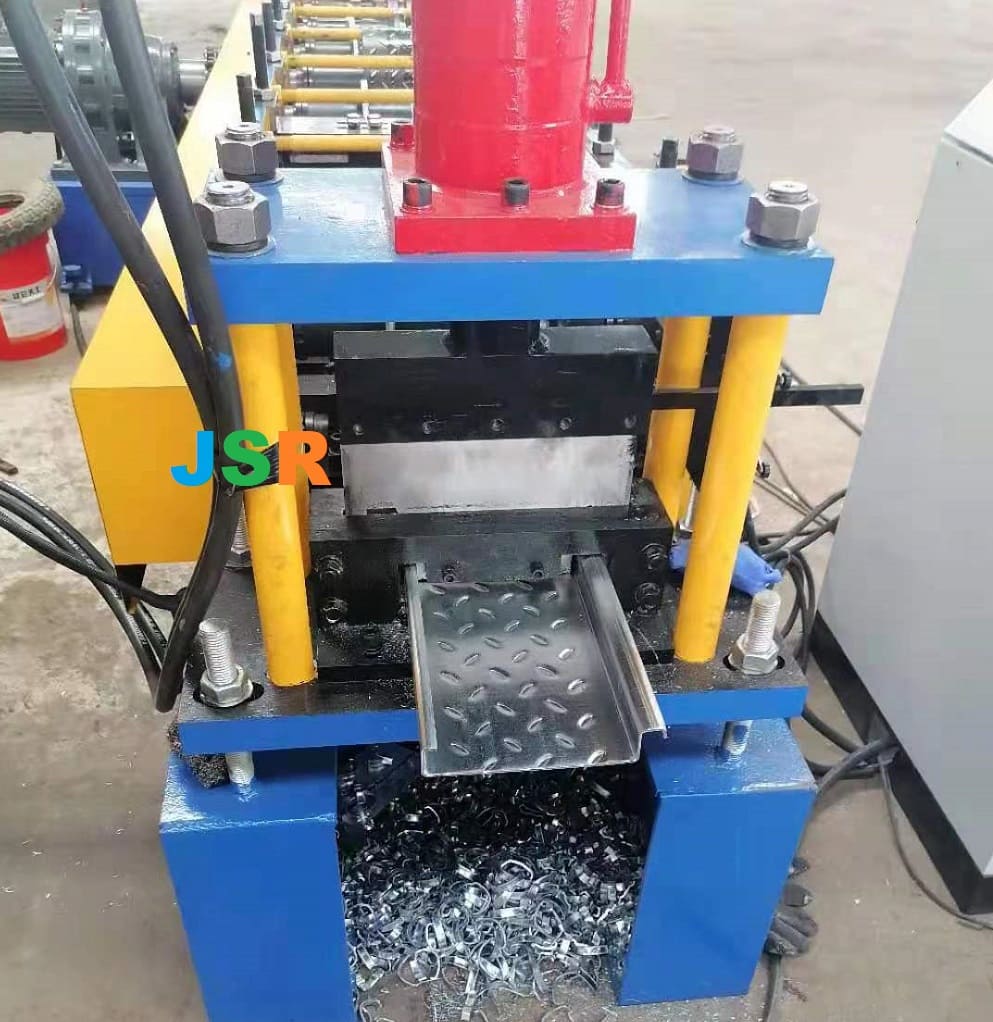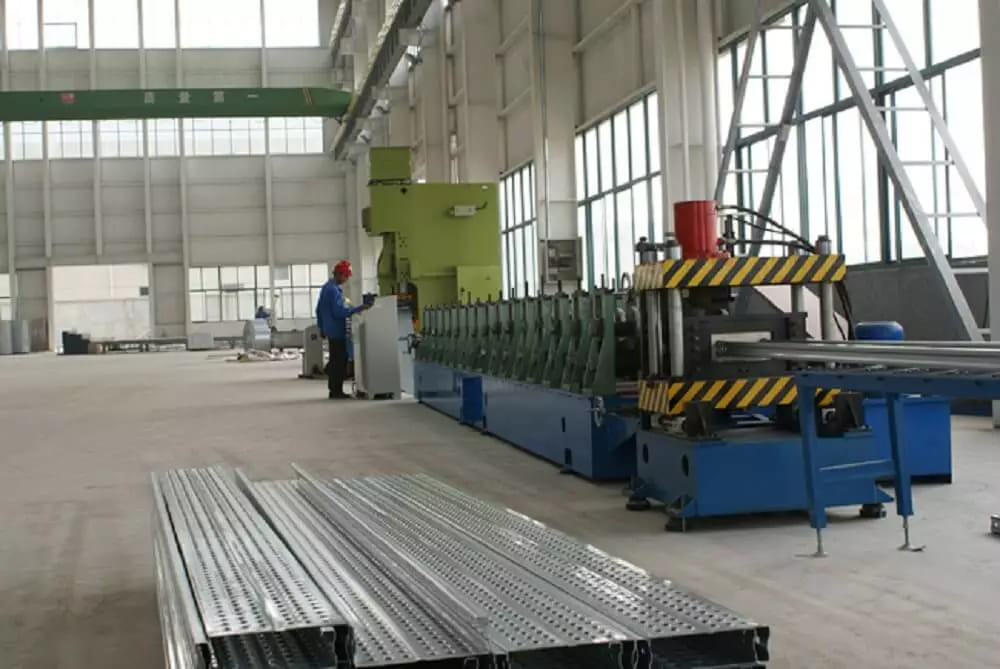

When manufacturers look at roll forming opportunities, they often focus on popular categories like roofing, purlins, or cable trays. But another segment is becoming increasingly attractive: storage rack production.
The question is not only whether storage rack profiles can be made efficiently. The real question is whether producing them is a good business.
In 2026, the answer in many markets is yes, but only if the business is approached with the right product focus and realistic market understanding.
This article explains why storage rack production remains relevant, where the demand comes from, what kinds of customers need these products, and what opportunities manufacturers should pay attention to.
Storage systems are no longer just a simple warehouse accessory. They are now part of modern logistics infrastructure.
As industries become faster, more organized, and more inventory-driven, the demand for reliable storage systems continues to increase.
This is happening because of several long-term shifts:
All of these trends support storage rack demand.
Storage rack profiles are used in many different environments.
This is the most obvious application. Warehouses use racking systems to store goods safely, organize inventory, and improve picking efficiency.
As distribution networks grow more complex, storage systems become more important for throughput and space optimization.
Factories use rack systems to store raw materials, parts, tools, and finished goods.
Storage racks are useful anywhere parts need to be organized and accessed quickly.
Even commercial and retail operations rely on structured storage systems behind the scenes.
This broad application range is one of the reasons why storage rack production has business value.
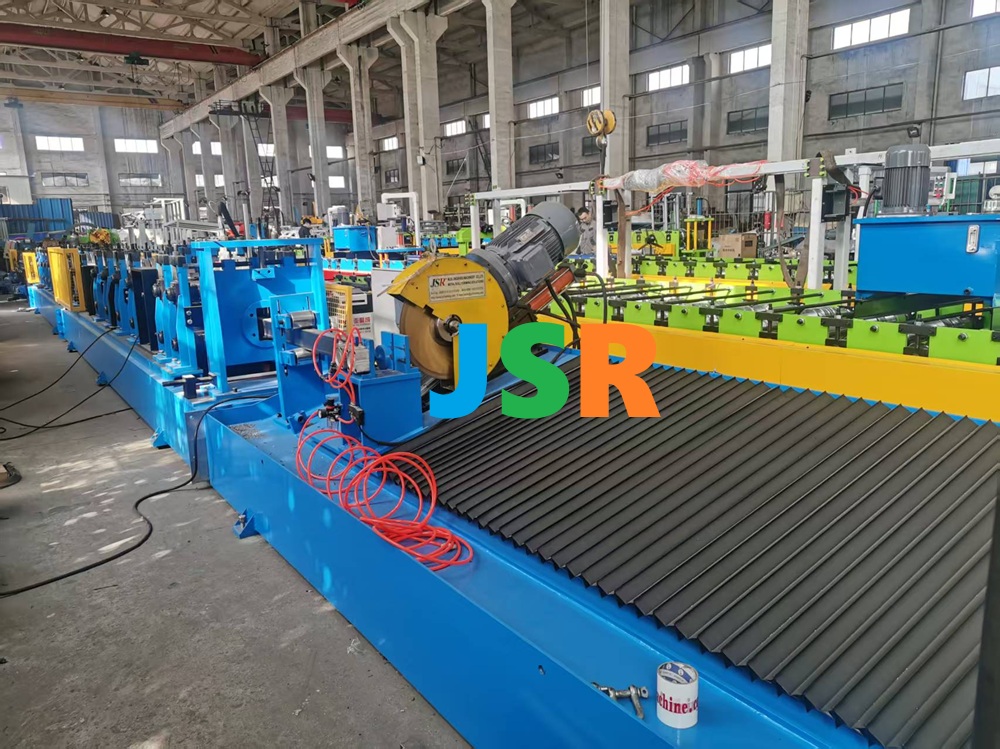
Online retail depends on warehousing. More orders mean more storage systems, more distribution requirements, and more organized shelving and racking.
Many businesses no longer simply expand floor area. They invest in better rack systems to improve vertical storage and operational flow.
Storage systems support operational efficiency, not just physical storage.
Many old warehouse systems are outdated, damaged, or no longer efficient. That creates replacement demand, not only new-project demand.
In many developing markets, warehousing and logistics infrastructure still has room to grow.
Storage rack production sits in an interesting middle ground.
It is not purely a commodity product like basic sheet output, because:
But it is also not an extremely niche engineering product in every case.
This creates a good business environment for manufacturers who want:
This is a real business tied to warehousing, logistics, and industrial growth.
The customer pool may include distributors, warehouse equipment suppliers, contractors, and industrial buyers.
Storage rack production can connect to related segments such as pallet rack, shelving systems, warehouse supports, and industrial storage accessories.
Unlike some product lines that rise and fall sharply with one sector, storage systems benefit from several industries at once.
Storage rack production tends to be especially relevant in markets where:
This can include both mature and developing markets, though the product mix may differ.
It can work for both, depending on the business model.
If local warehousing is growing, there may be demand for quicker supply, local service, and project-based production.
In export markets, the opportunity may depend on:
Some manufacturers begin locally and move into export once production becomes stable.
Every product line has challenges, and storage rack production is no exception.
You need to know what type of rack system you actually want to produce.
Poor punching can damage the value of the entire product line.
If you produce the wrong rack type for the wrong market, even a good machine cannot fix that.
In some markets, existing rack suppliers may already be strong. New entrants need a clear advantage.
Rack systems must assemble correctly. Quality inconsistency can damage trust quickly.
Storage rack production may be especially suitable for:
Storage rack production can be a good business in 2026, but not by accident.
Success usually depends on:
It is not enough to only buy the machine. The product strategy must make sense.
In many markets, yes. Growth in logistics and warehousing continues to support demand.
It can be, especially if the product range is focused and the market is clearly defined.
No. Storage rack systems also serve smaller industrial, retail, and commercial storage applications.
No. E-commerce is a major factor, but manufacturing, spare parts storage, and industrial inventory systems also drive demand.
Yes, especially where warehousing and industrial organization are improving.
For many manufacturers, storage rack is the easier entry point.
Punching and profile consistency. If these are unstable, the product becomes difficult to assemble and sell.
Yes. It can connect naturally to pallet rack, shelving systems, and broader warehouse equipment components.
Not necessarily. It is also tied to logistics, warehousing, manufacturing, and supply chain development.
Consistent quality, accurate punching, dependable machine performance, and understanding the real storage system market.
Some roll forming products are strongly tied to one application or short-term project cycle. Storage rack profiles are different. They connect to a long-term industrial need: storing goods efficiently.
As long as products move through warehouses, factories, and distribution systems, storage infrastructure will remain necessary.
That makes this product segment suitable for manufacturers who prefer:
For storage rack production, buyers usually need more than a generic roll forming machine.
They need a solution that supports:
That is why the production approach matters as much as the quotation itself.
Storage rack production can be a good business in 2026 because it is tied to real industrial demand, not only to trend-driven interest.
Warehousing, logistics, manufacturing, and supply chain development all support the need for storage systems. For manufacturers with the right machine setup and a clear market direction, this segment offers practical value and long-term potential.
The opportunity is real. The key is to approach it with product clarity, production discipline, and market logic.