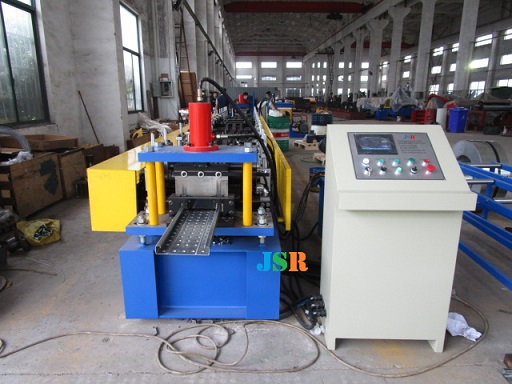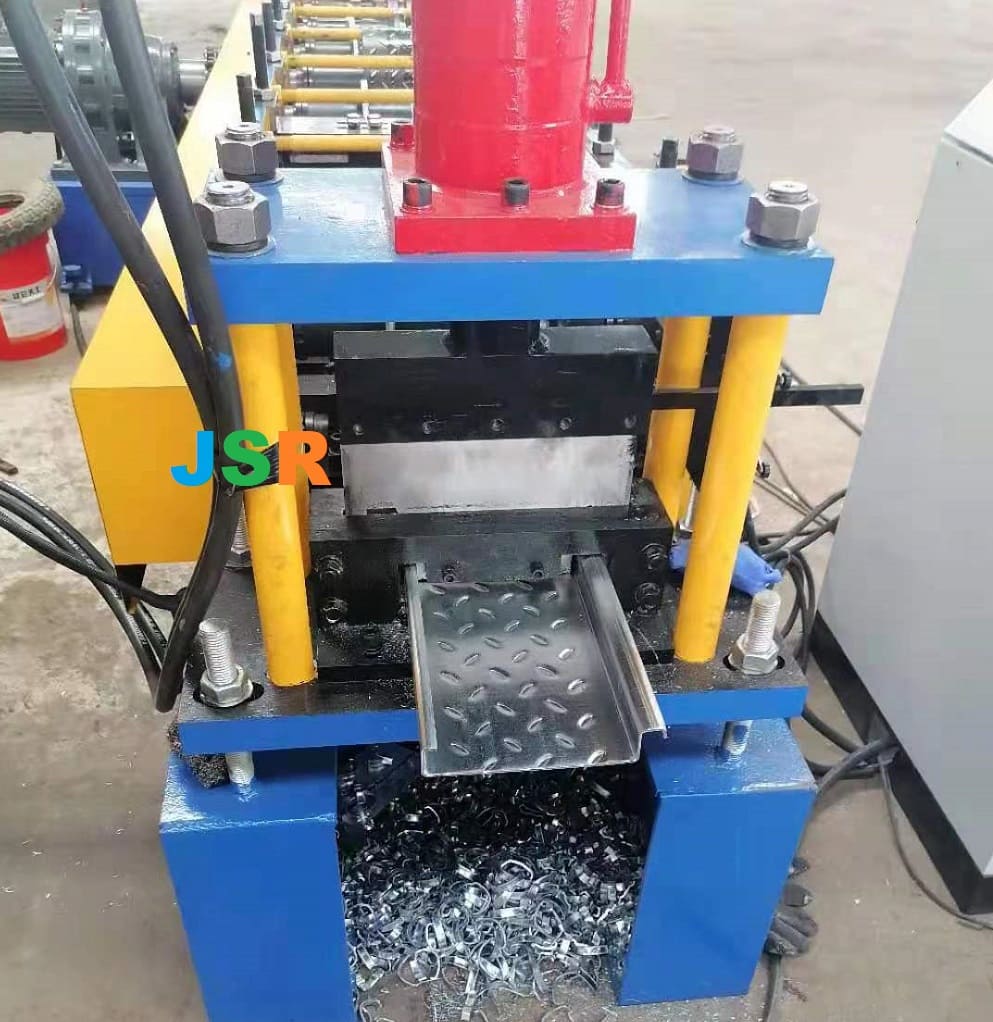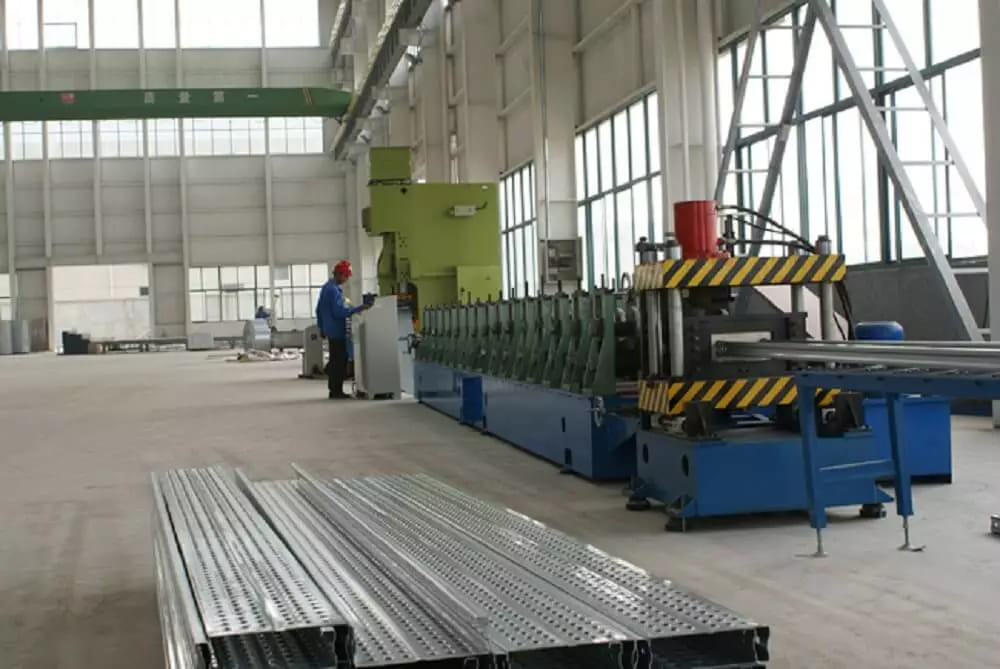

For buyers planning to enter the warehouse storage equipment market, machine cost is one of the first major questions. A storage rack roll forming machine is not a low-end profile machine. In many cases, it requires stronger structure, more demanding punching capability, and better forming accuracy than basic light-gauge production lines.
Because of this, prices can vary widely depending on machine design, automation level, product complexity, and production expectations.
Understanding what affects the price helps buyers avoid two common mistakes:
This guide breaks down the cost logic in a practical way.
In general, a storage rack roll forming machine may fall into the following broad ranges:
The final quotation depends heavily on the following factors.
Two storage rack machines may look similar from a distance, but their actual value can differ greatly.
The main reason is that rack production requirements are often highly specific. The machine must match:
A machine built for simple, lighter rack sections is not the same as one built for heavy-duty warehouse structural production.
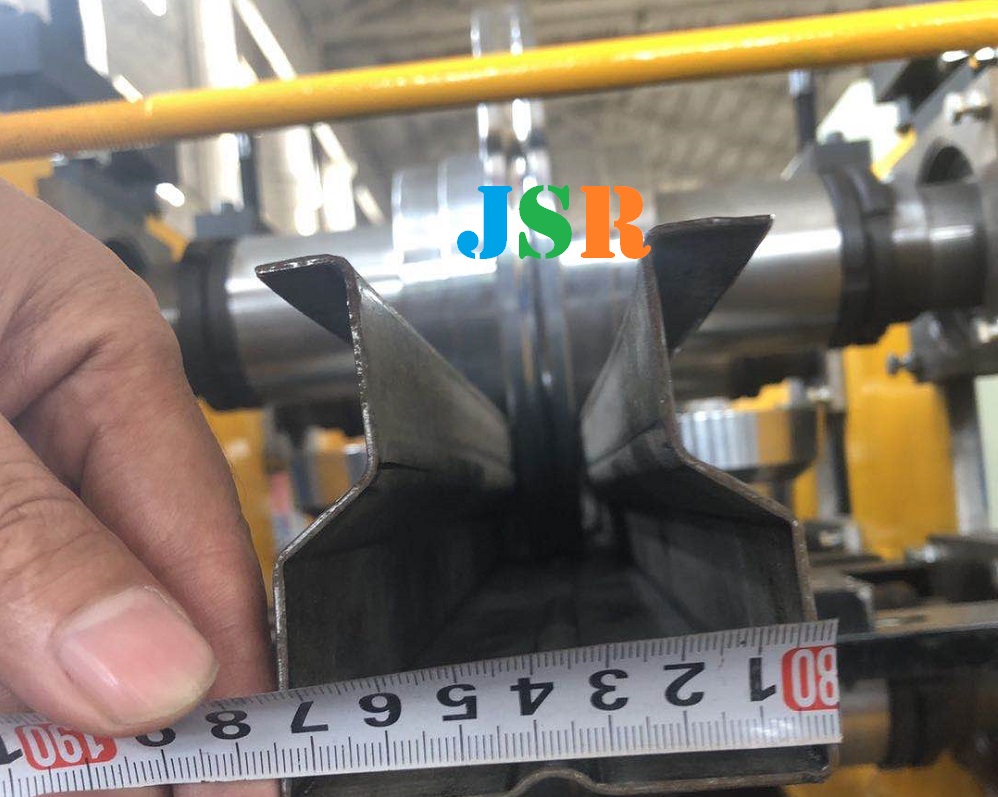
Simple rack profiles are easier to form. Complex sections with lips, returns, reinforcement geometry, or more demanding tolerances usually require:
This raises the machine cost.
Punching is often one of the biggest price drivers in storage rack production.
If the rack profile requires:
then the punching system becomes more advanced and more expensive.
A simple punching layout costs less than a high-precision, production-critical punching system.
Rack systems often need stronger materials than common roofing or siding products. As thickness and strength requirements increase, the machine needs:
This can significantly affect price.
Some buyers assume faster is always better. In reality, speed must match product requirements.
For storage rack production, the right speed depends on:
A faster machine may need better motors, servo coordination, and upgraded control systems. That increases the price.
Automation also changes the quotation substantially.
A more automated line may include:
These features improve efficiency and reduce labor dependence, but they also raise the initial investment.
Some buyers want one machine for one stable product. Others want flexibility for multiple rack sizes or related profiles.
More flexibility usually means:
Flexible machines usually cost more upfront, but they may reduce future equipment limitations.
The cutting section also affects cost.
Buyers should consider:
Poor cutting quality can reduce the final usefulness of otherwise well-formed profiles.
Machine price is only part of the full investment. Buyers should also account for:
Ignoring these items can create budget surprises later.
Usually, no.
A low quotation may sound attractive, but if the machine cannot maintain accurate punching or stable profile shape, the real cost becomes much higher later through:
For structural products like rack profiles, reliability matters more than the cheapest sticker price.
A better way to compare offers is to ask:
Price should always be judged together with production capability.
A more advanced machine is usually worth considering if you plan to:
A simpler line may work for buyers who:
The key is to avoid under-buying for a product that actually needs better engineering.
Because each machine depends on profile design, punching layout, thickness range, automation, and production goals.
Usually the biggest factors are punching complexity, profile design, material thickness, and automation level.
Yes. For rack systems, poor punching accuracy can cause serious assembly issues later.
Not always. The right machine is the one that matches your product and market without unnecessary overspending.
That depends on your business model. If your orders are stable and focused, one profile may be enough. If you expect product variation, flexibility may be worth the added cost.
Send the profile drawing, thickness range, punching details, material specifications, required speed, and expected production volume.
Yes, especially if you are serving warehouse equipment markets or industrial storage projects.
Very important. Rack production lines require stable setup, proper commissioning, and long-term maintenance support.
Sometimes yes, but only if the startup’s product range and quality expectations are realistic.
Choosing a machine by headline price without checking whether it can produce the actual rack profile reliably.
For storage rack production, buyers often discover that the machine is only as useful as its consistency in real production.
JSR Roll Former focuses on:
For this product category, that mindset matters.
The cost of a storage rack roll forming machine depends on much more than the machine itself. It reflects the structural demands of the product, the punching complexity, the expected accuracy, and the long-term production goals of the buyer.
For serious manufacturers, the right question is not simply, “What is the lowest price?”
It is, “What machine can support my product, my quality level, and my business model reliably?”
That is how smart rack production investment decisions are made.