
Roll forming machines play a critical role in modern metal processing and construction industries. From steel structures to solar mounting systems, these machines enable efficient and high-precision production of metal profiles.
This guide provides a complete overview of roll forming machines, including types, applications, costs, and how to choose the right solution for your business.
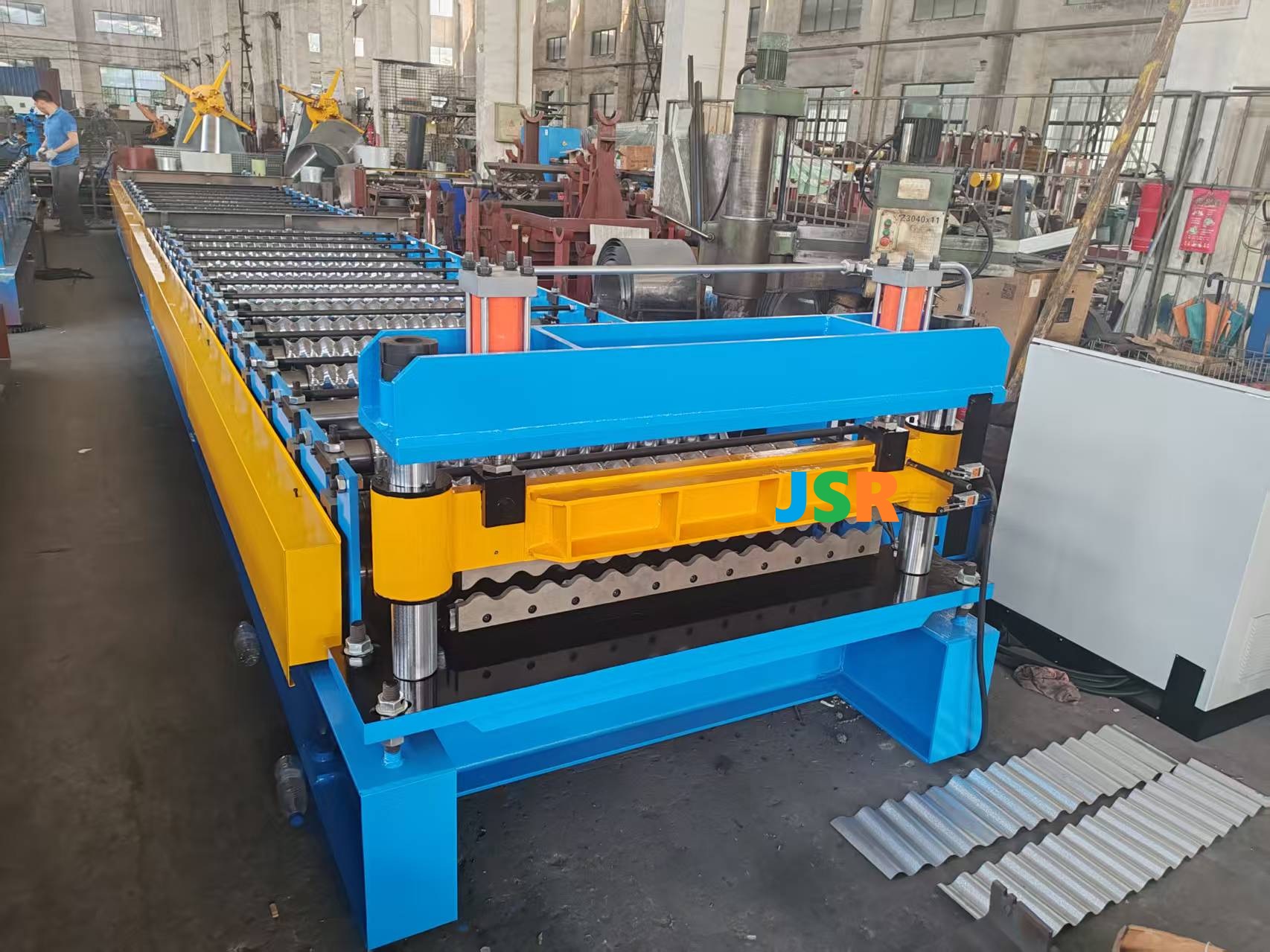
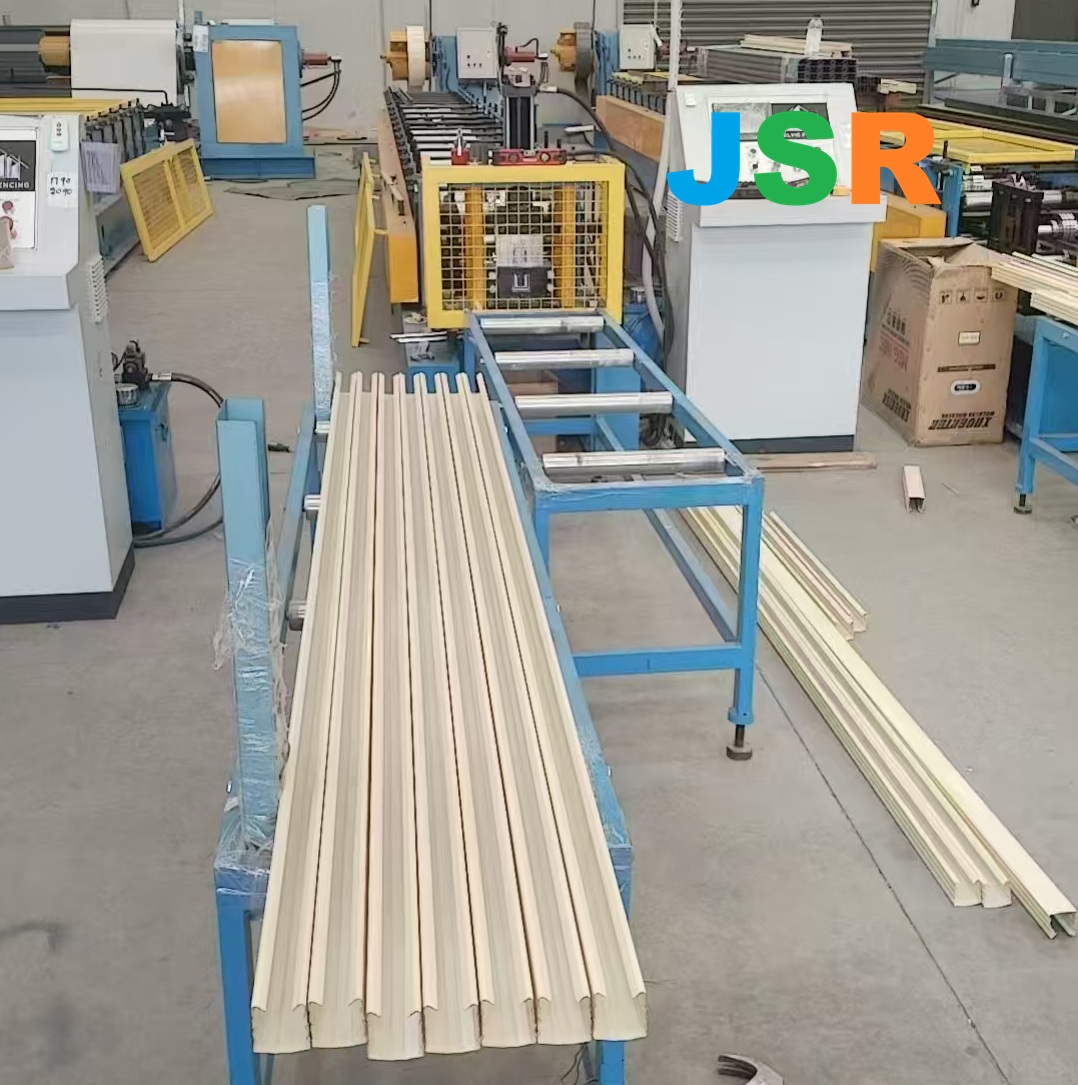
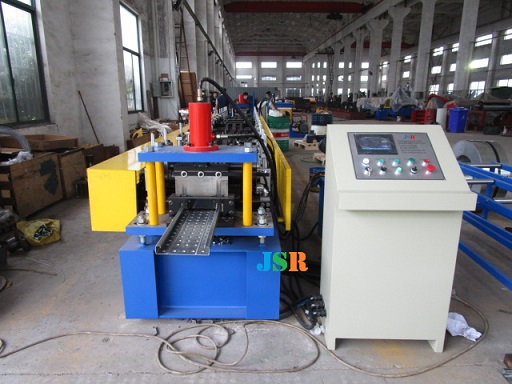
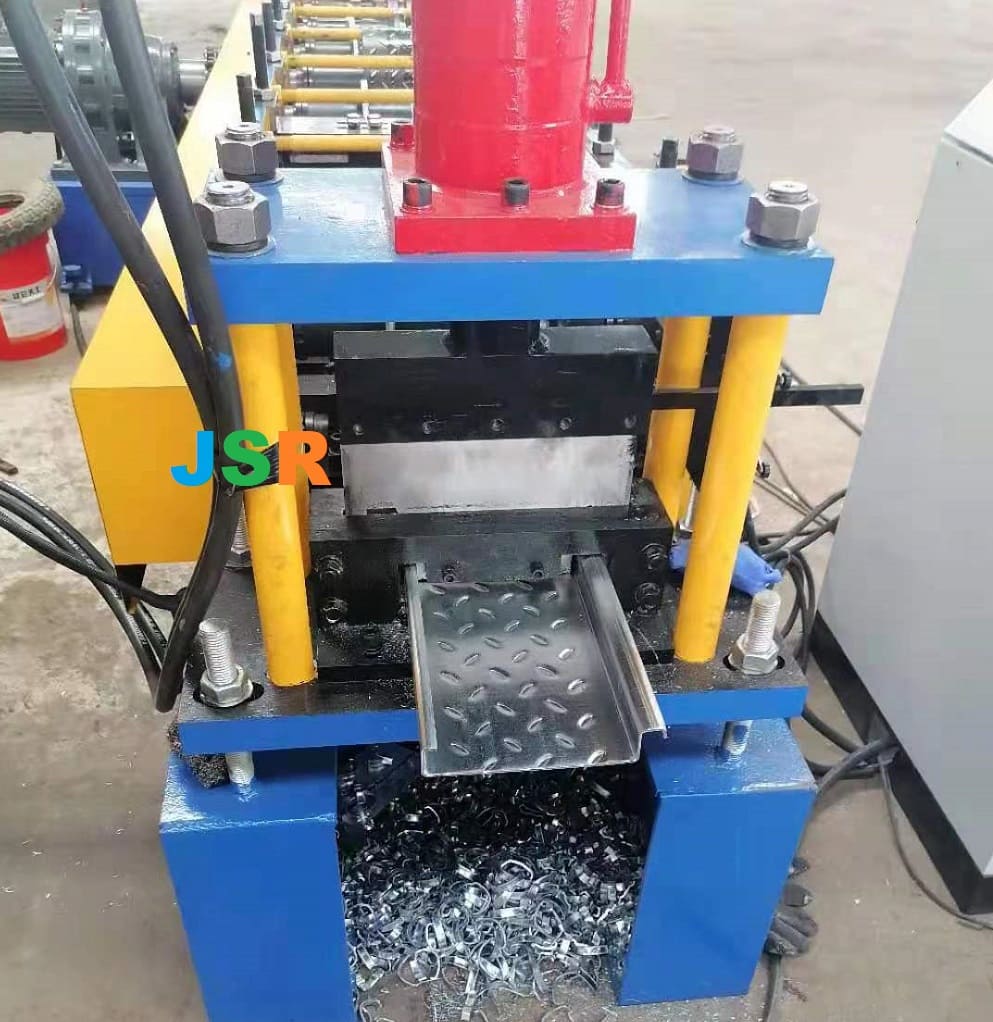
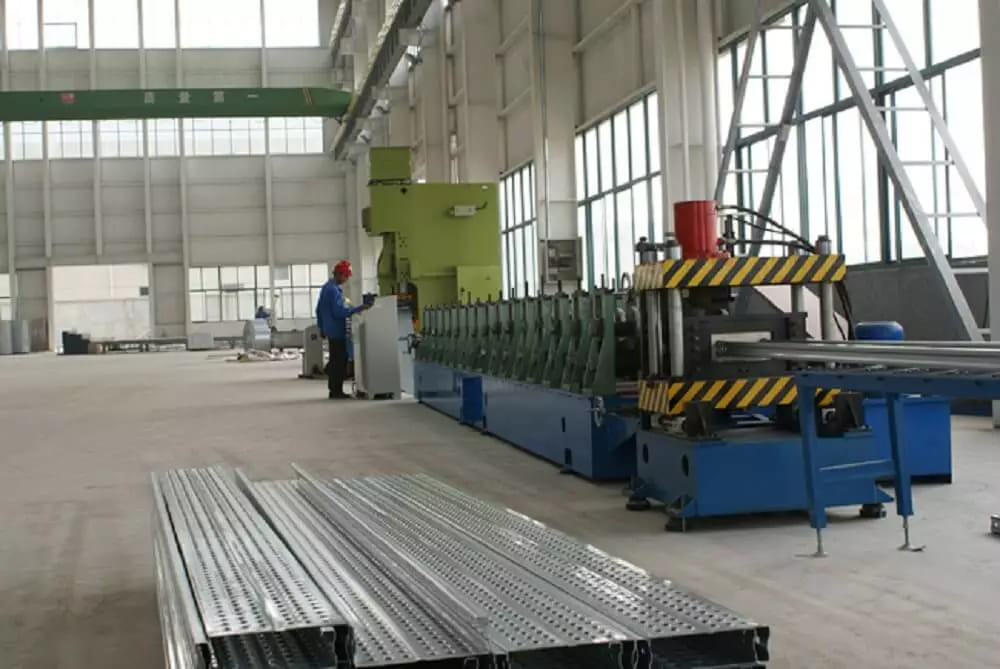
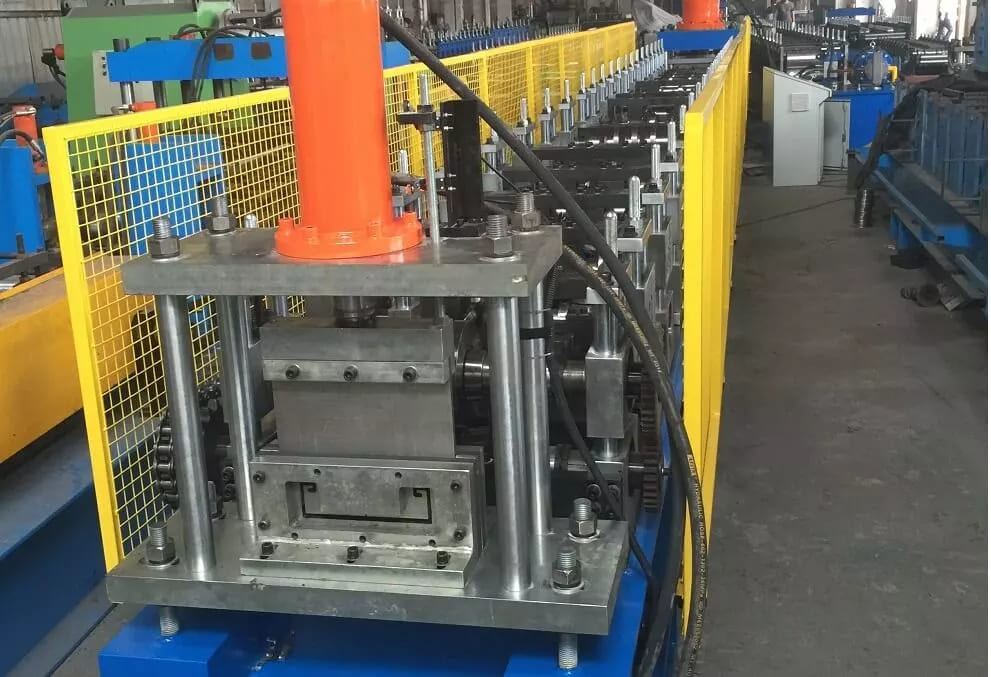
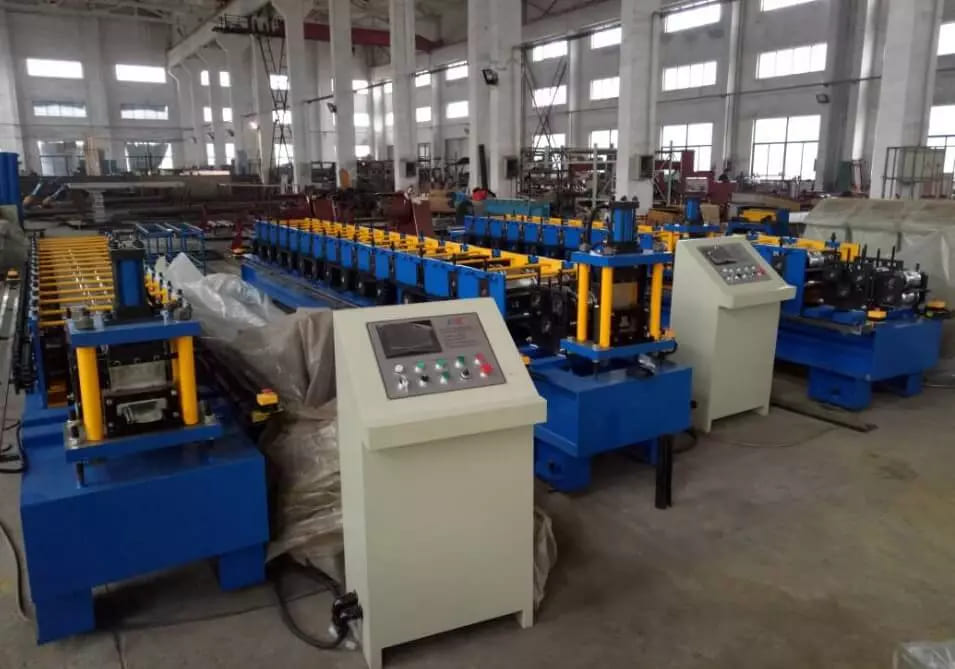
A roll forming machine is a continuous production system that transforms flat metal coils into specific profiles through a series of roller stations.
Common products include:
The process includes:
(Read full process here: How Roll Forming Machines Work)
Used for structural steel buildings
(See full guide: What Is a C Z Purlin Machine)
Used for cable management systems
(See full guide: Cable Tray Machine Guide)
Used for roof and wall panels
Used for prefab and modular construction
Used for drywall systems
Roll forming machines are widely used in:
Prices vary depending on configuration:
(Read detailed breakdown: Roll Forming Machine Cost Guide)
Choosing the right machine depends on:
Key tip: Always match the machine to your target market, not just your budget.
Many businesses recover their investment within 6–12 months.
Galvanized steel, PPGI, and hot-rolled steel.
Typically 15–35 m/min.
Yes, modern machines support flexible production.
Yes, especially with automatic systems.
JSR Roll Former provides advanced roll forming solutions with:
JSR helps manufacturers improve efficiency and expand their business globally.
Roll forming machines are essential for modern manufacturing and construction industries. Understanding their types, applications, and costs helps businesses make smarter investment decisions and stay competitive.