
C purlins and Z purlins are the backbone of steel structure roofing and wall systems. Choosing the right type affects structural performance, installation efficiency, and overall project cost.
This guide explains the key differences between C and Z purlins and helps you decide which one is best for your project.
C purlins have a simple “C” shape with equal flanges.
Key characteristics:
Z purlins have a “Z” shape that allows overlapping between sections.
Key characteristics:
| Feature | C Purlin | Z Purlin |
|---|---|---|
| Shape | C shape | Z shape |
| Installation | End-to-end | Overlapping |
| Strength | Moderate | Higher |
| Application | Walls, small roofs | Large-span roofs |
| Cost | Lower | Slightly higher |
| Flexibility | Limited | More flexible |
Yes.
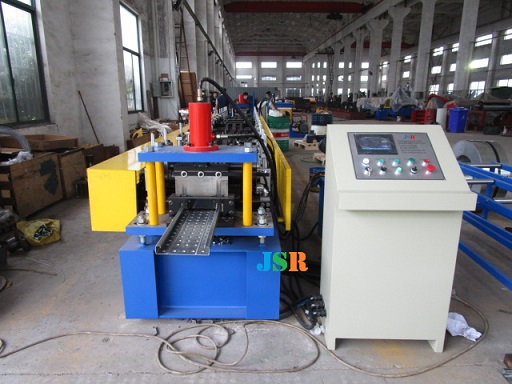
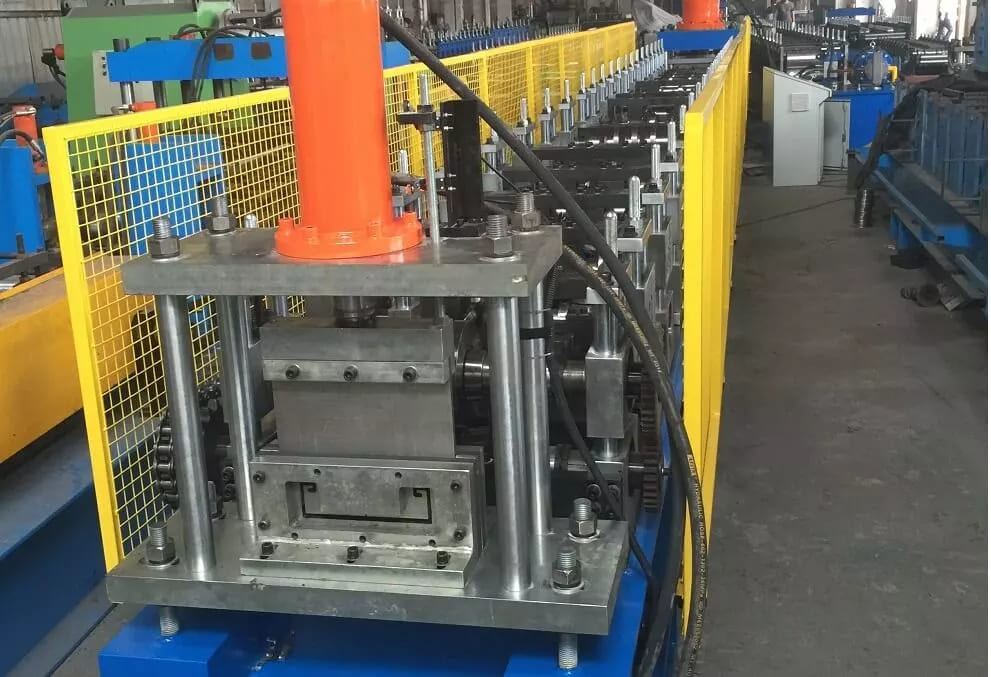
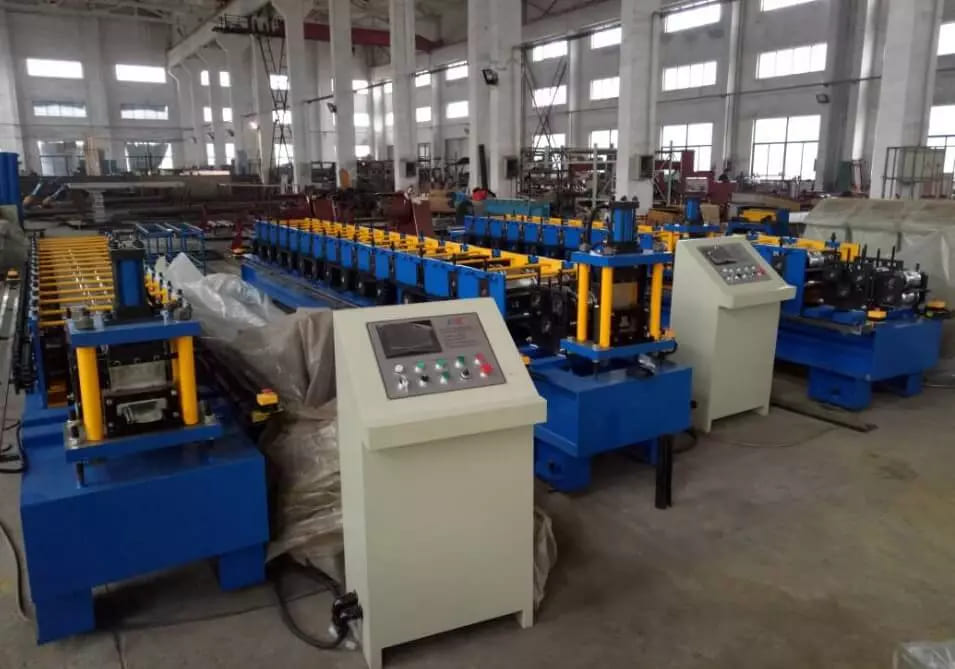
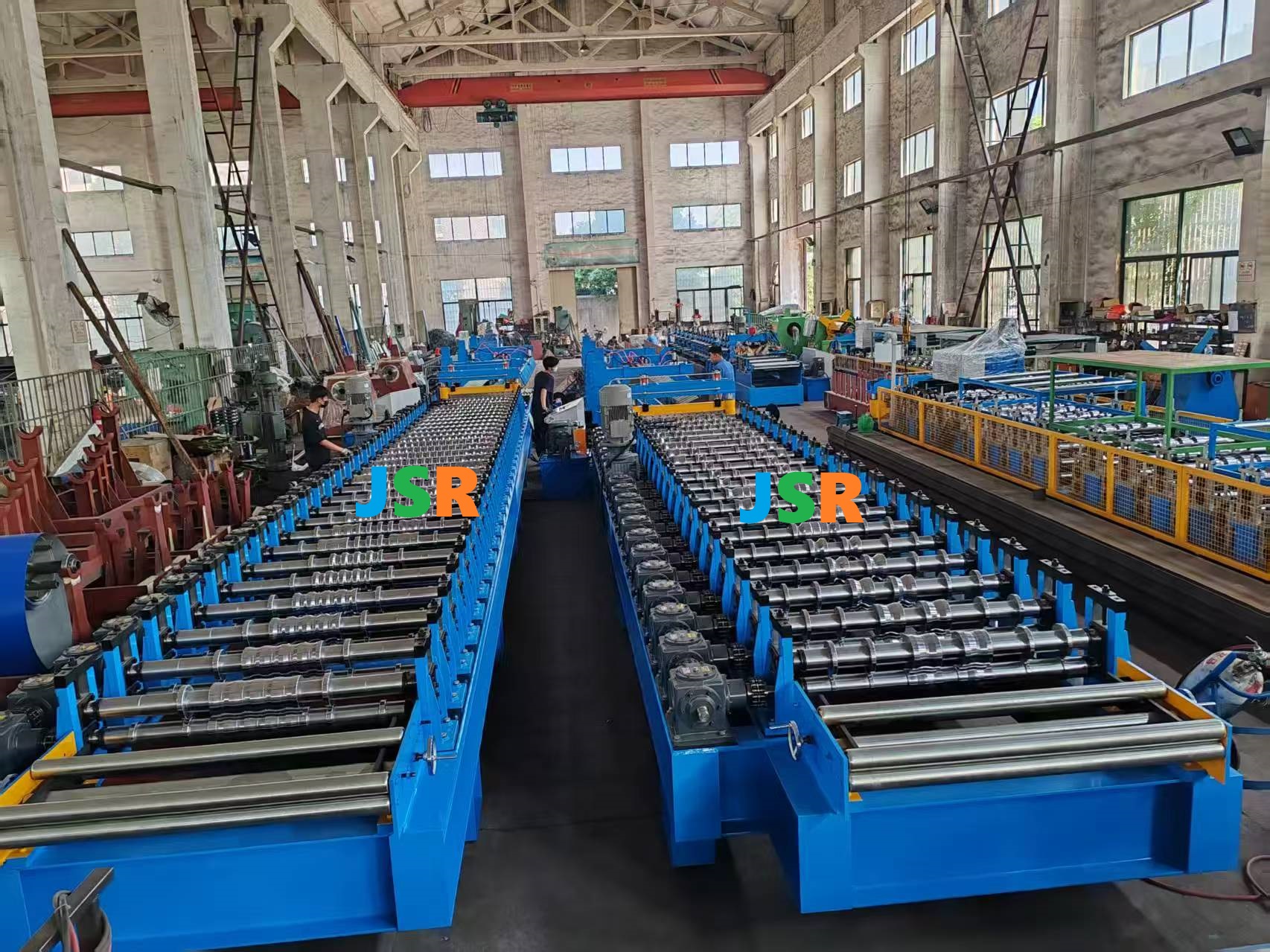
Modern C Z purlin roll forming machines (such as those from JSR Roll Former) can:
This flexibility allows manufacturers to handle different projects with one machine.
Both types are widely used in:
Yes, due to overlapping installation, Z purlins provide better load distribution.
Generally yes, due to simpler design and manufacturing.
Yes, many projects use a combination depending on structural requirements.
No, modern machines can produce both with quick adjustment.
JSR Roll Former offers advanced C Z purlin roll forming solutions with:
C and Z purlins serve different structural purposes, and choosing the right one depends on your project requirements. With modern interchangeable roll forming machines, manufacturers can efficiently produce both types and maximize flexibility.