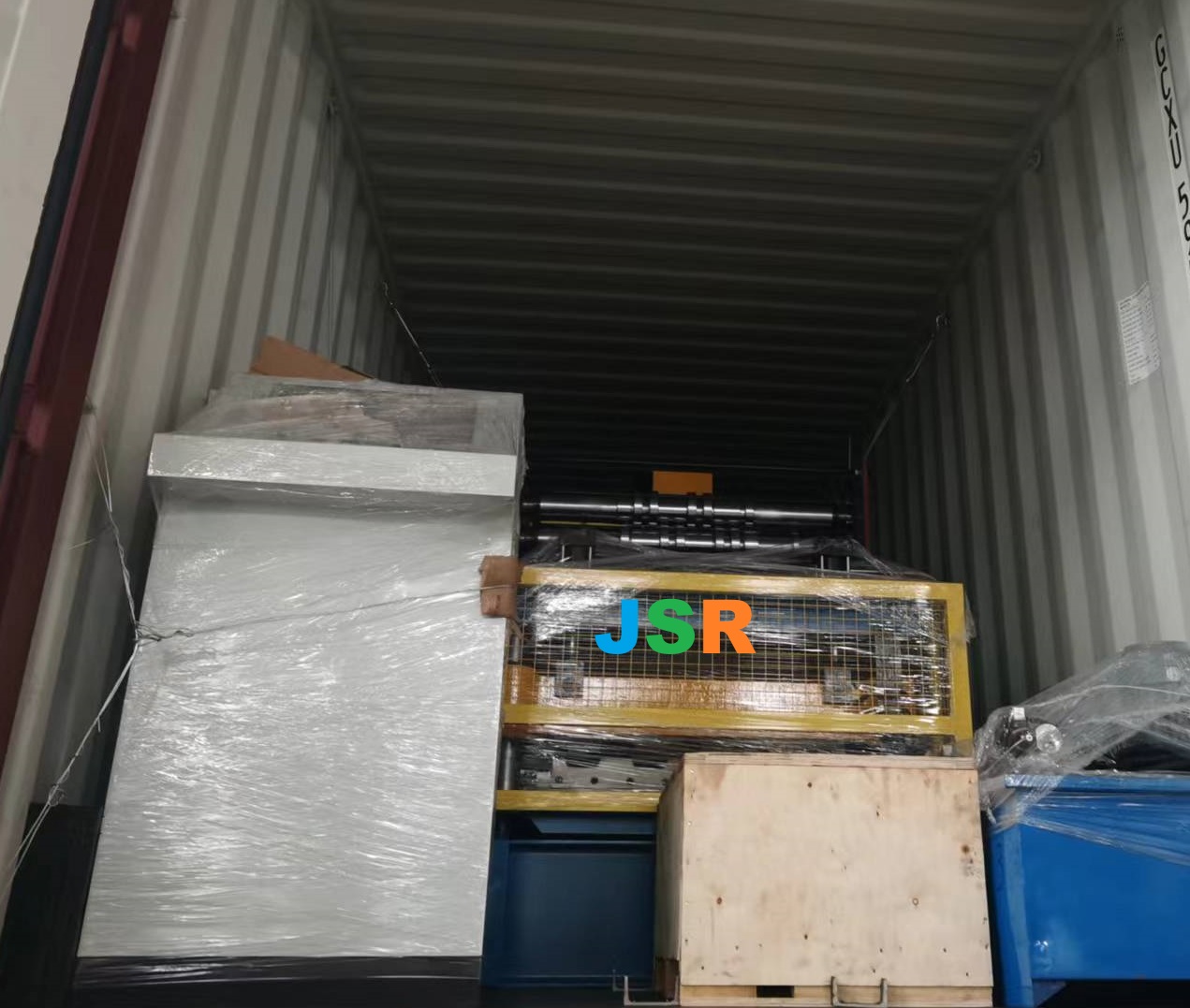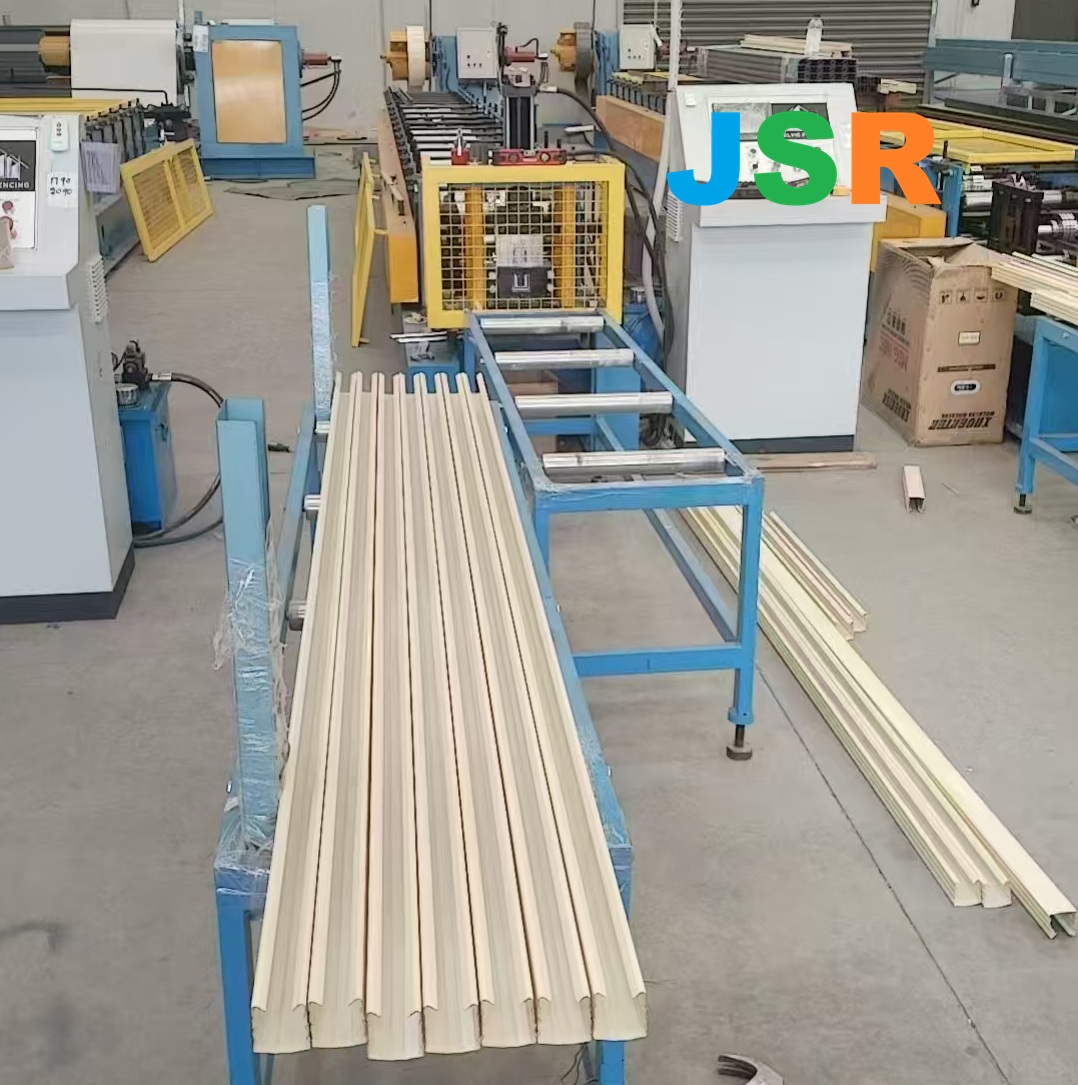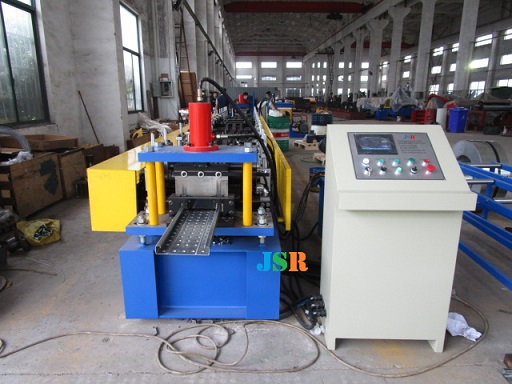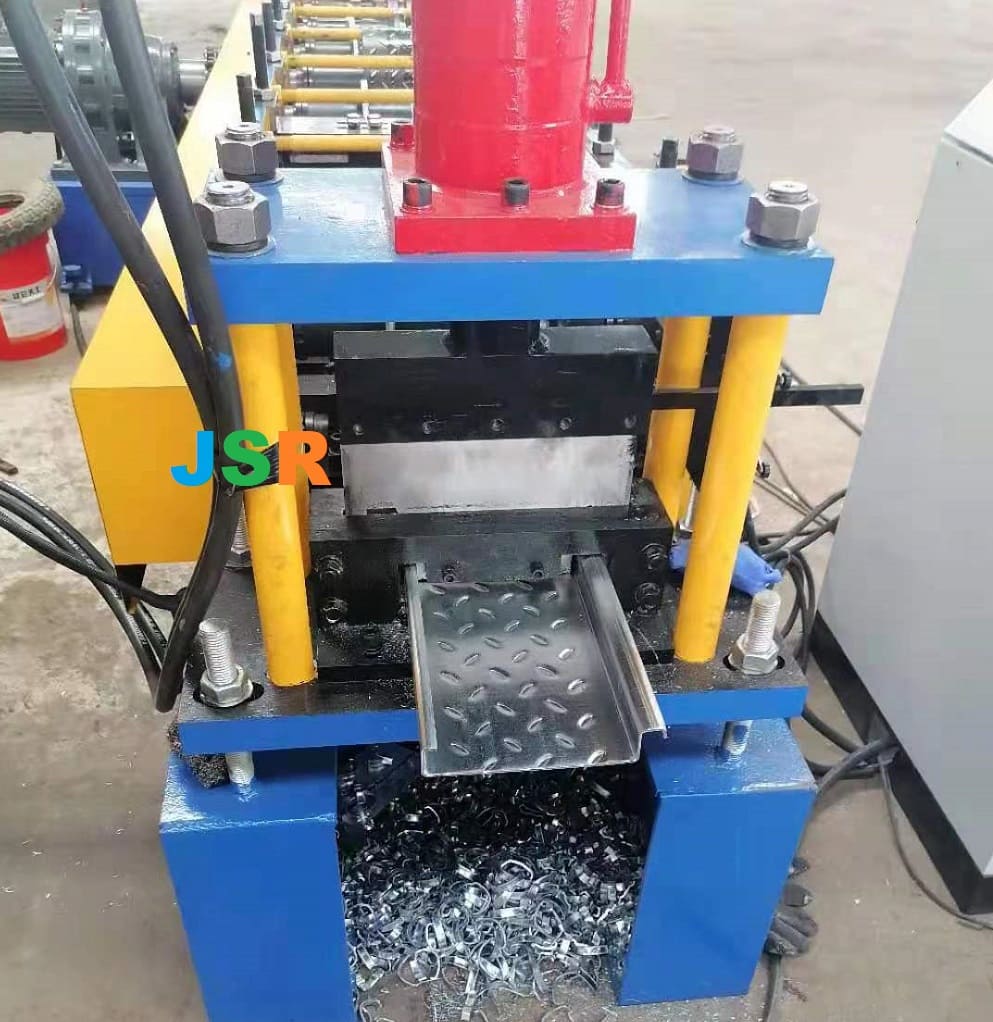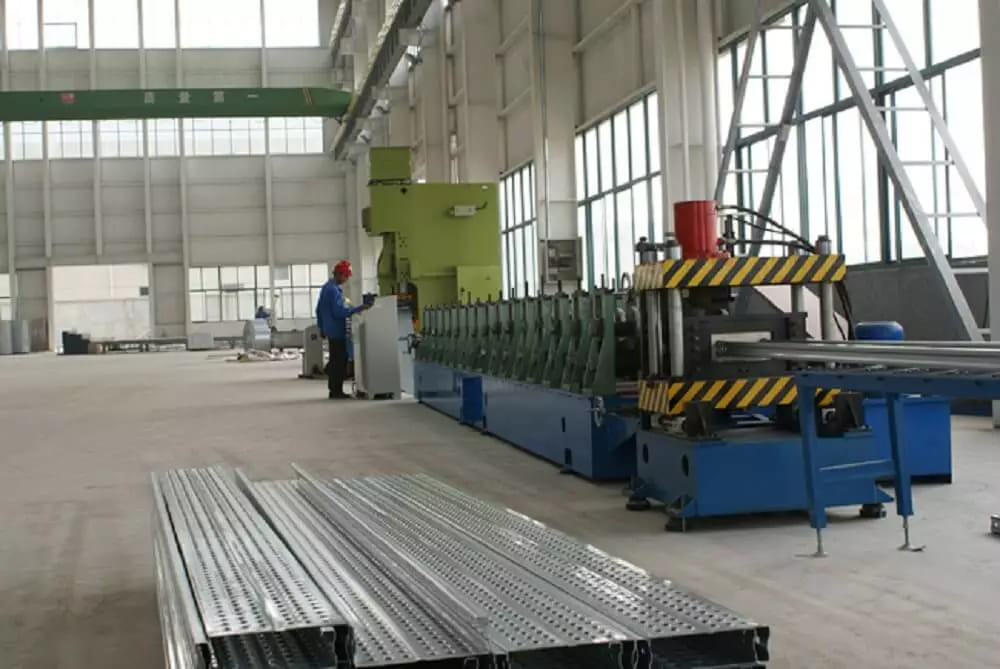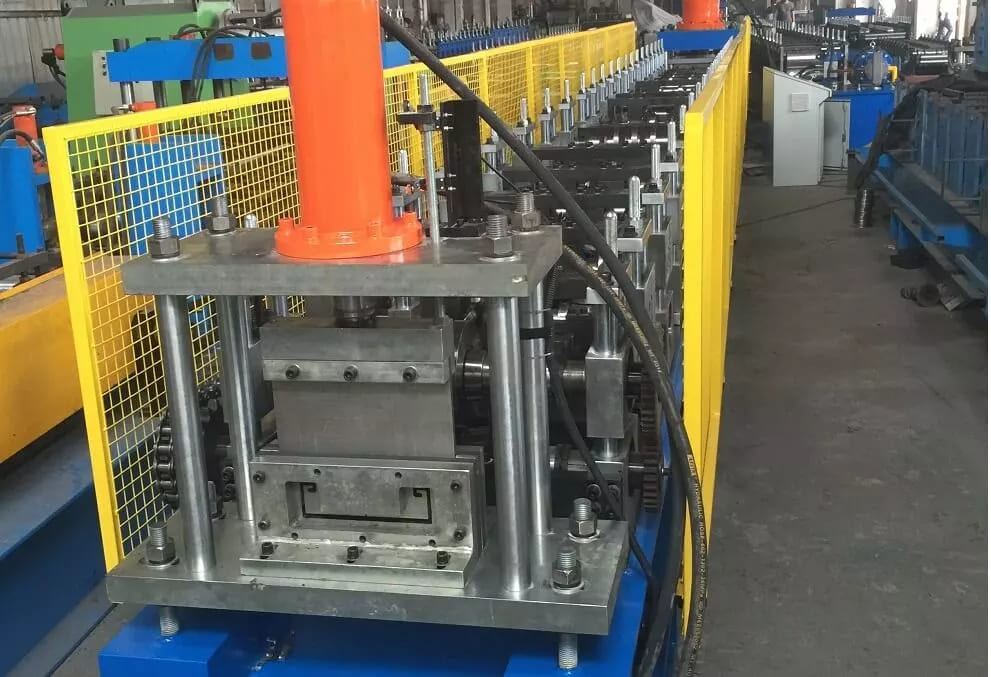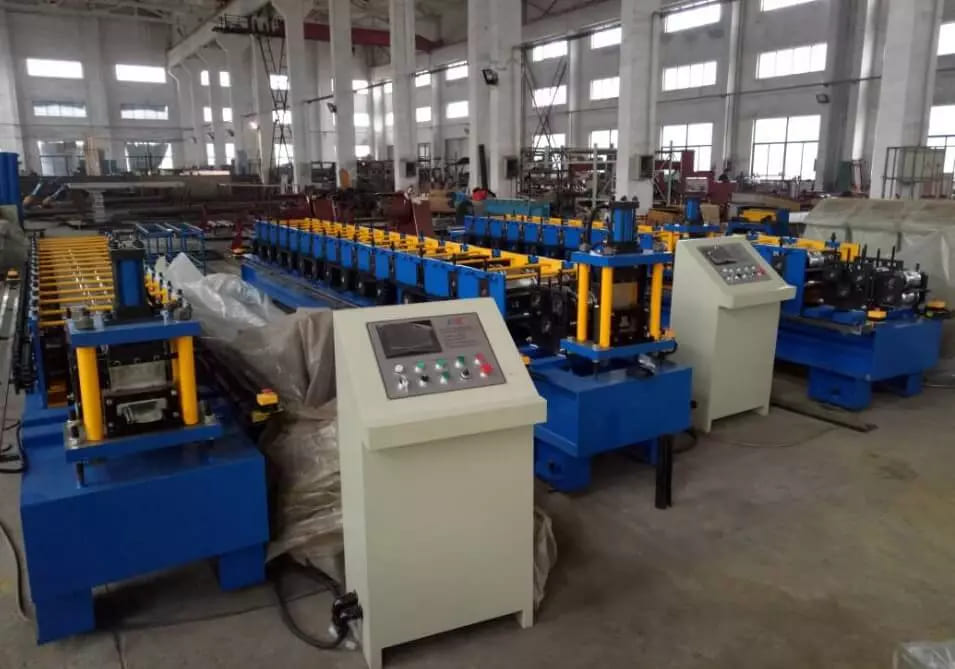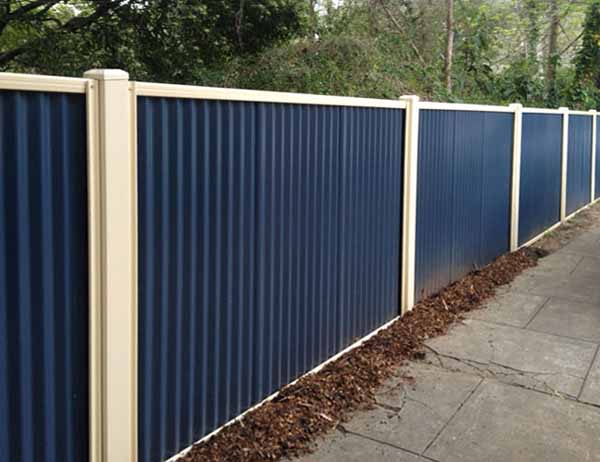

A sandwich panel line is a production system used to manufacture insulated panels with two metal facings and a core material in the middle. Depending on the market and product type, buyers may also search for terms such as sandwich panel production line, sandwich panel machine, PU sandwich panel production line, EPS sandwich panel machine, or rockwool sandwich panel line.
These panels are widely used in industrial buildings, cold rooms, cleanrooms, warehouses, prefabricated structures, and modern roof and wall systems. JSR’s own sandwich panel related pages describe the product as steel-sheet facings combined with an insulation core to provide thermal and acoustic insulation, corrosion resistance, and mechanical strength. JSR also shows both sandwich panel sheet forming equipment and EPS/rockwool sandwich panel machine solutions in its catalog.
For manufacturers, a sandwich panel line is not just another sheet metal machine. It is a complete insulated sandwich panel production line connected to energy-saving construction, industrial enclosure systems, and growing demand for prefabricated insulated building materials.
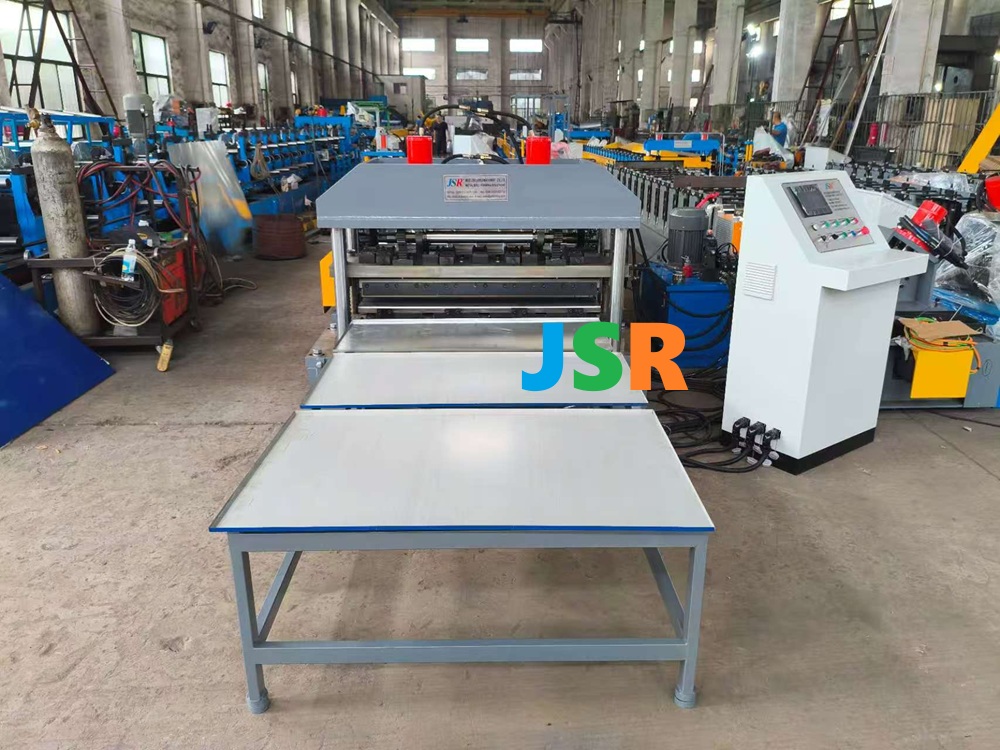
A sandwich panel is a composite building panel made of:
Depending on the application, the core material may be:
Industry sources consistently describe sandwich panels as insulated building products designed for thermal performance, structural efficiency, and fast installation, especially in construction, cold storage, and industrial enclosure applications. JSR’s own pages describe sandwich panels as prefabricated units with steel-sheet facings plus an insulation core that provides thermal and acoustic insulation while also contributing to strength.
That is why buyers often search not only for sandwich panel line, but also for more specific terms such as:
A sandwich panel line is a manufacturing system used to produce insulated roof panels, wall panels, cold room panels, and related composite building products. Depending on the production method, the line may be configured as:
Industry references commonly distinguish continuous lines for high-volume automated manufacturing and discontinuous lines for batch-based, more flexible production.
In practical buyer language, a sandwich panel machine may refer to the full line or to a major sub-system within the line, but for industrial production, the real focus is the complete sandwich panel production line.
A sandwich panel production line matters because insulated metal panels are now widely used in building systems that require:
JSR’s product information highlights benefits such as smooth and flat facings, thermal insulation, fast installation, and strong panel performance. External industry sources also describe PU/PIR sandwich panel lines as widely used for construction, cold storage, and industrial insulation because of their efficient production and insulation performance.
For that reason, a roof wall sandwich panel line is closely connected to modern prefabricated building demand.
The exact process depends on whether the buyer chooses a continuous sandwich panel line or a discontinuous sandwich panel line, but the general logic is similar.
The steel facings may come from a sandwich panel sheet forming machine or related panel-forming section. JSR specifically notes its sandwich panel sheet forming machine is designed to make smooth and flat sheets for final sandwich panels.
Depending on the product, the core may be PU, PIR, EPS, or rockwool.
The facings and core are combined under process control so the final insulated panel keeps its required thickness, flatness, and structural stability.
In a continuous sandwich panel production line, the process runs in a streamlined automated flow. In a discontinuous sandwich panel line, panels are typically produced individually or in batch mode.
The finished insulated panels are cut to required lengths and transferred for stacking, packaging, or project delivery.
This is one of the most common buyer decisions.
A continuous sandwich panel line is usually chosen for:
Industry descriptions characterize continuous PU/PIR lines as highly automated, uninterrupted, and suitable for large-scale manufacturing.
A discontinuous sandwich panel line is often chosen for:
Industry sources describe discontinuous lines as batch-based and more flexible, often used in cold storage and special panel production.
For many buyers, this is not just a machine choice. It is a business model choice.
Depending on machine configuration, a sandwich panel line may be used for:
JSR has product and related news pages around sandwich panel sheet facings, cleanroom wall panel roll forming, and EPS/rockwool sandwich panel machinery, showing this category already fits well within the site’s product structure.
This is one of those product families where search behavior naturally branches into many long-tail terms. Buyers do not always type only “sandwich panel line.” They often search using application, core material, or production method.
Common buyer search intent includes:
For manufacturers, a sandwich panel production line offers several business advantages.
Unlike simpler sheet products, insulated panels are system products with clear functional value.
A sandwich panel machine supports sectors such as industrial buildings, cold storage, cleanrooms, and prefabricated structures.
PU, PIR, EPS, and rockwool panel lines can serve different performance and market needs.
Energy efficiency and controlled-environment construction continue to support demand for insulated panel manufacturing.
A buyer may choose to focus on cold room panel line, PU sandwich panel line, or roof wall sandwich panel production line depending on the target market.
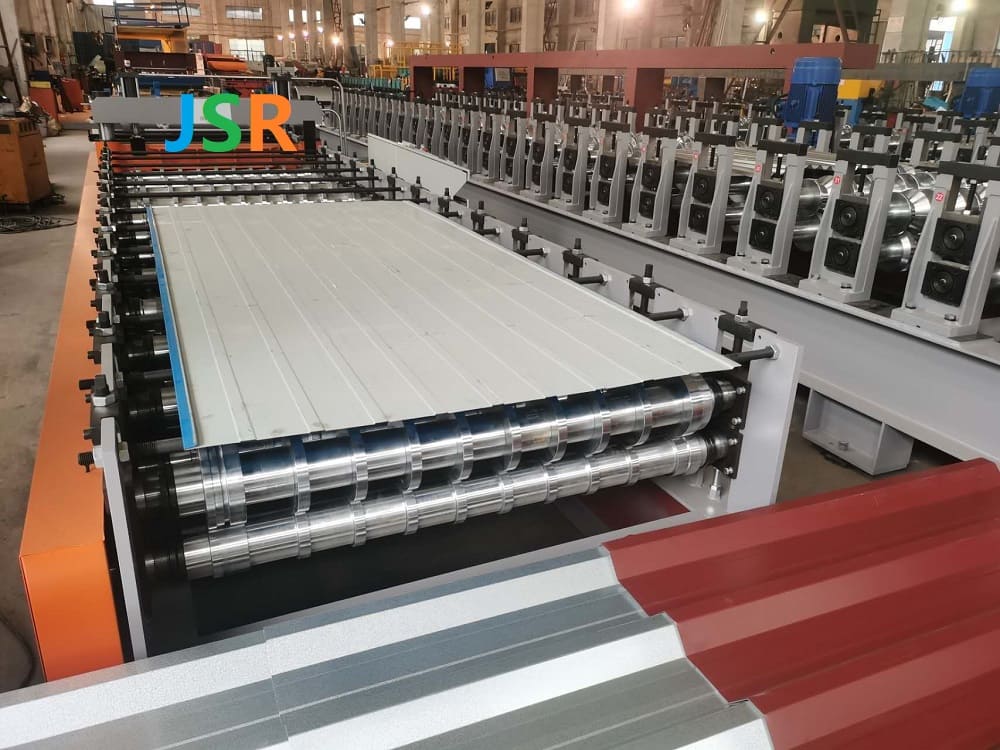
This type of equipment may be suitable for:
A sandwich panel production line is especially relevant for businesses that want to move from simple profile production into more system-oriented, higher-value building materials.
A sandwich panel line is used to produce insulated roof panels, wall panels, cold room panels, and other composite building panels.
In buyer language, often yes. But in industrial terms, the sandwich panel production line usually refers to the full manufacturing system, while “machine” may sometimes refer to a section or the full line depending on context.
A continuous sandwich panel line is designed for uninterrupted, higher-volume automated production, while a discontinuous sandwich panel line is batch-based and usually more flexible for smaller-scale or customized production.
Depending on the line design, common core materials include PU, PIR, EPS, and rockwool.
Yes. Many sandwich panel production line solutions are used for cold room and insulated enclosure applications.
A sandwich panel sheet forming machine prepares the metal facings that are later used in the final insulated sandwich panel system. JSR specifically notes this function on its site.
No. A roof wall sandwich panel line can produce both wall and roof panel facings or insulated panels depending on the system design.
Because a sandwich panel line supports a higher-value product category linked to insulation, industrial buildings, cold storage, and prefabricated construction.
Yes. The core material, process logic, and line configuration can differ depending on whether the product is PU, PIR, EPS, or rockwool based.
The buyer should prepare target panel type, core material, panel thickness range, production method preference, target speed, and end-use application.
JSR already presents sandwich panel related equipment and related project pages on its site, including sandwich panel sheet forming, cleanroom wall panel roll forming, and EPS/rockwool sandwich panel machinery. That gives the category a natural place inside the site’s current product structure.
For buyers, that matters because a sandwich panel line decision usually involves more than a simple sheet profile question. They want to know whether the supplier understands insulated panel facings, panel consistency, application range, and production logic.
A sandwich panel line is an important manufacturing system for modern insulated building products. Whether buyers search for a sandwich panel machine, PU sandwich panel production line, EPS sandwich panel machine, or continuous sandwich panel line, they are usually looking for a solution that can support efficient, commercially useful production of insulated panels.
For manufacturers targeting industrial buildings, cleanrooms, cold rooms, roof and wall panels, or prefabricated enclosure systems, a well-matched sandwich panel production line can offer strong long-term business value.