What Is a Roll Forming Machine? Complete Guide for Industrial Buyers (2026)
Facebook
Twitter
LinkedIn
Description
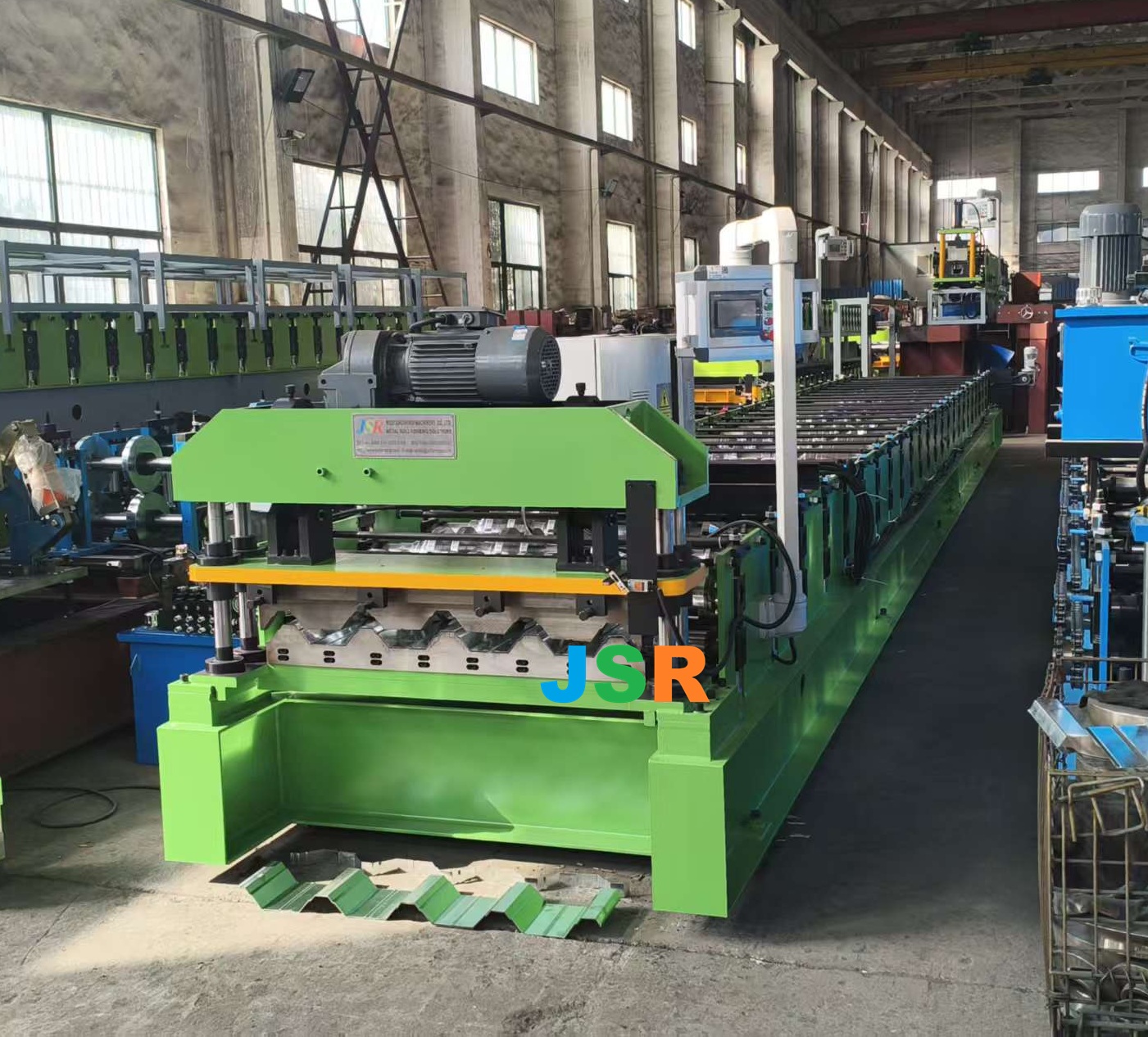
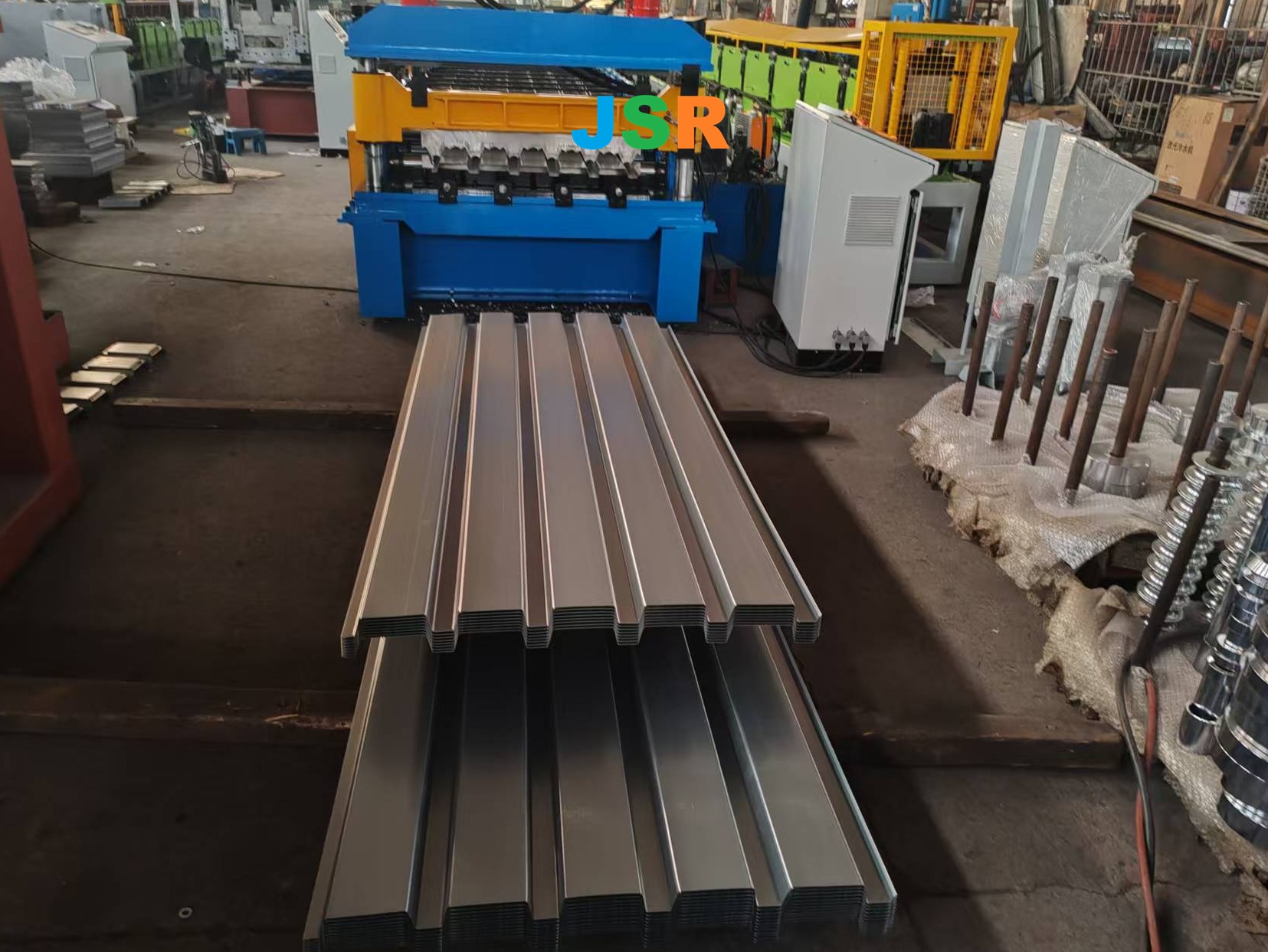
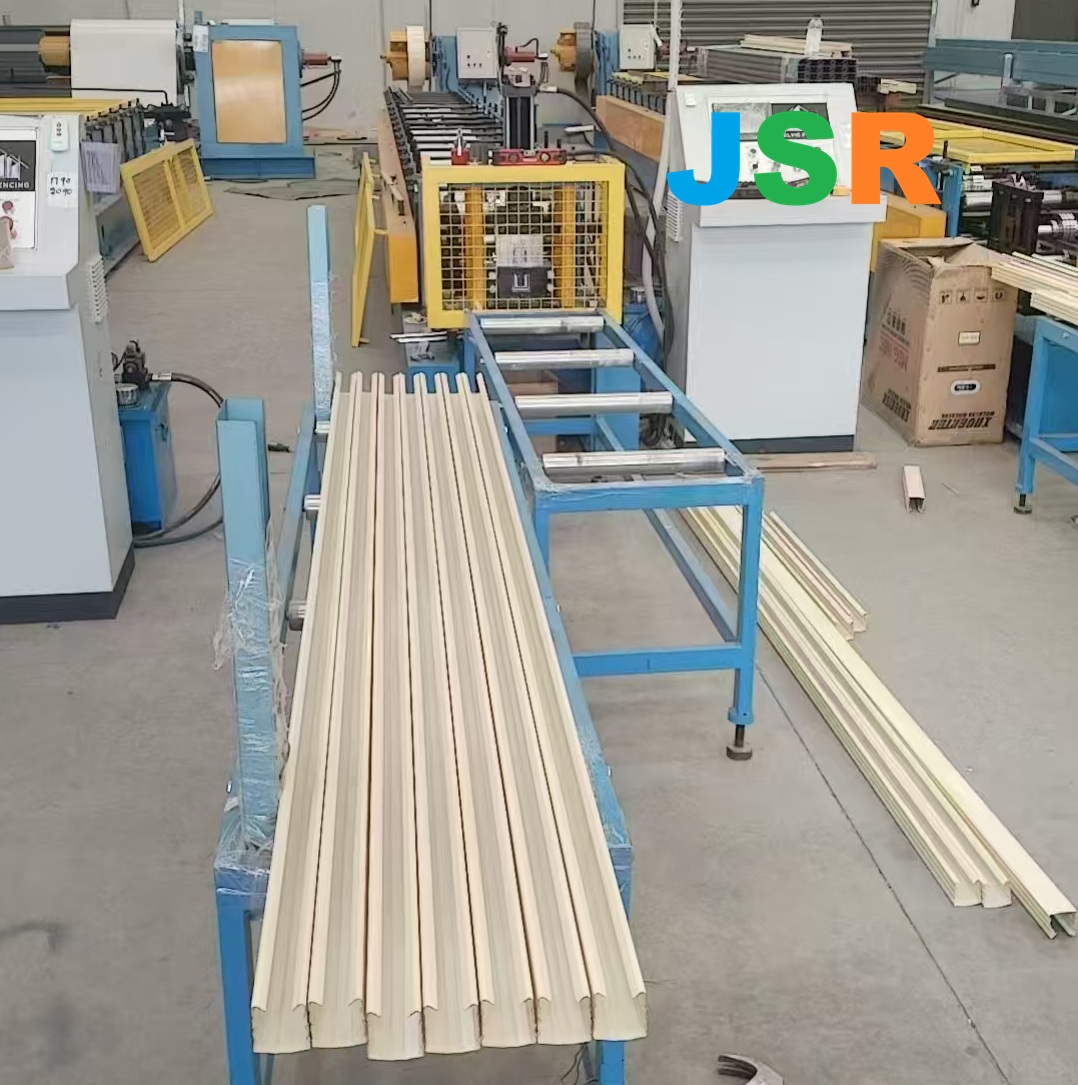
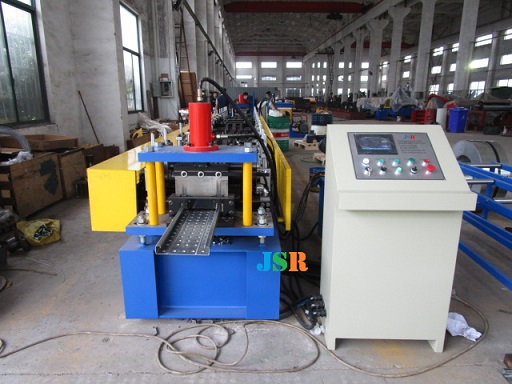
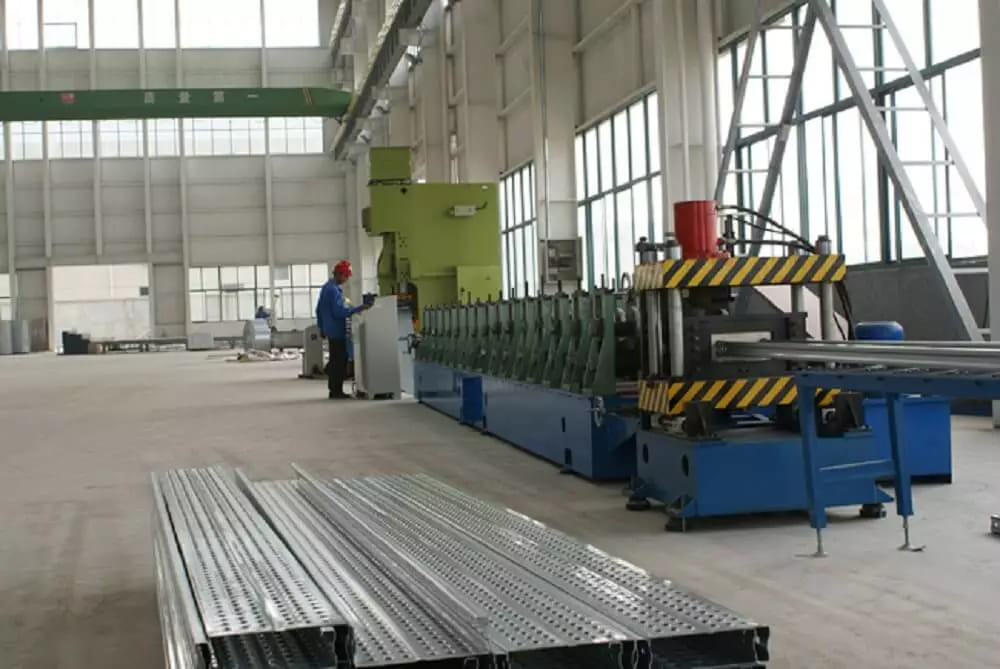
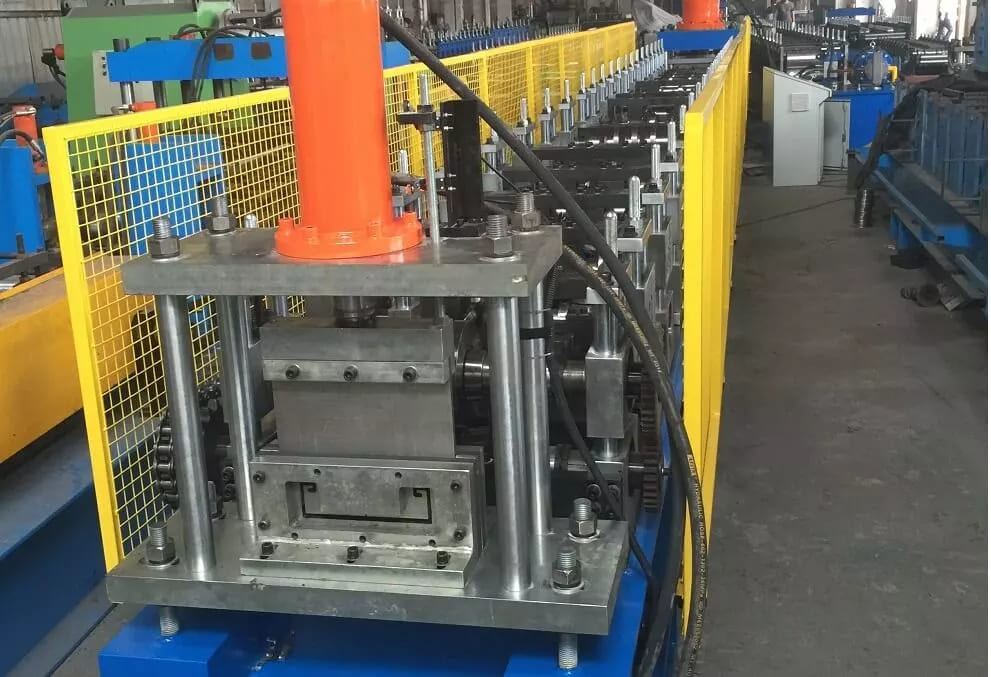
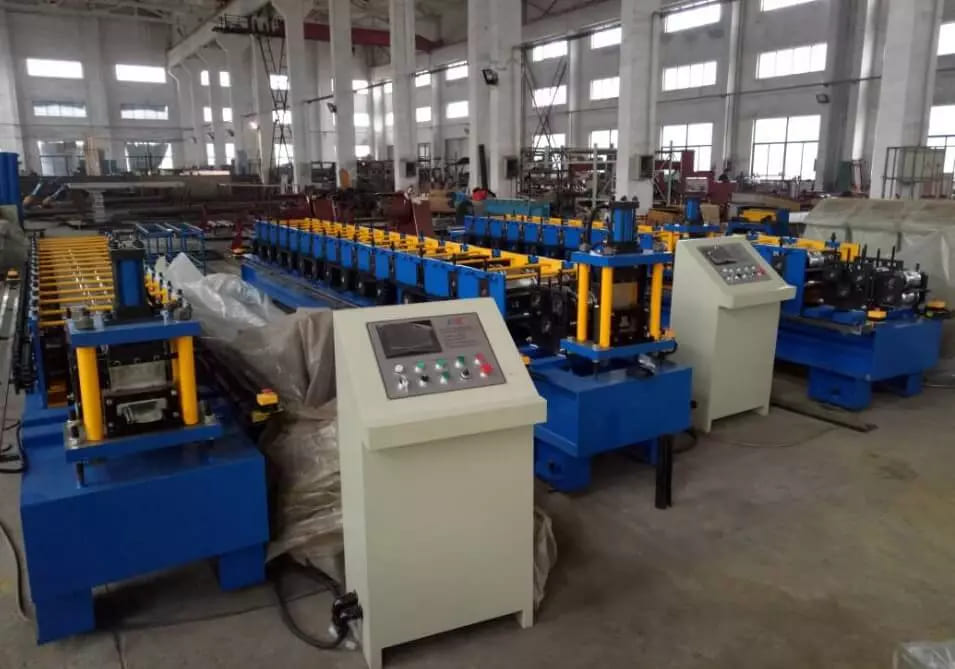
A roll forming machine is a continuous bending system used to produce metal profiles such as C channels, Z purlins, studs, tracks, roofing sheets, and cable trays. It transforms flat metal coils into precise shapes through multiple forming stations.
For industrial buyers, roll forming machines are widely used in construction, steel structure, solar mounting systems, and infrastructure projects due to their high efficiency, precision, and automation capabilities.
How Does a Roll Forming Machine Work?
The roll forming process follows a simple but highly engineered sequence:
Coil Feeding Steel coil (GI, PPGI, or HR steel) is loaded onto a decoiler.
Leveling and Feeding The material is flattened and fed into the forming system.
Roll Forming Stations Multiple roller stations gradually shape the steel into the desired profile.
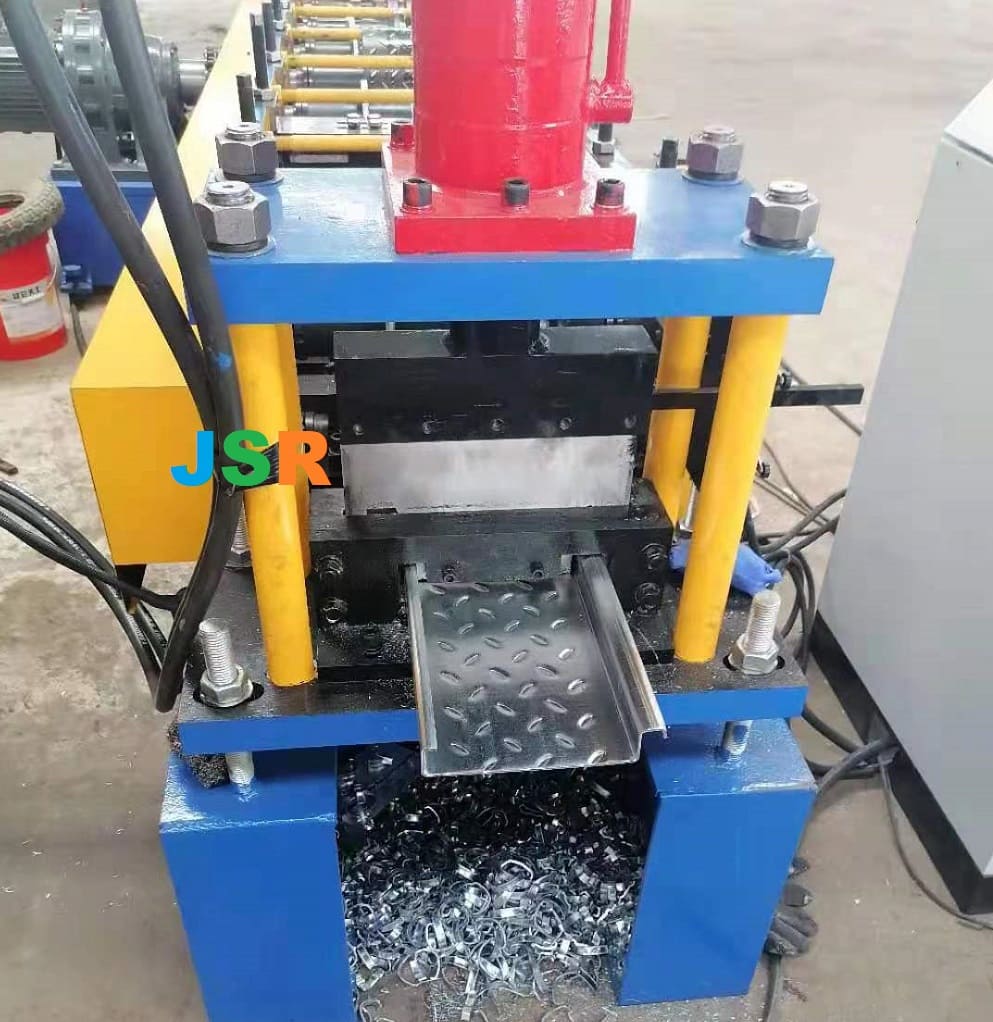
Punching System (Optional) Hydraulic or servo punching creates holes or slots.
Cutting System Profiles are cut to length automatically.
Output Table Finished products are collected for packaging.
This continuous process ensures high production speed and consistent quality.
Types of Roll Forming Machines
1. C & Z Purlin Roll Forming Machine
Width range: 80–350 mm (C), 120–400 mm (Z)
Thickness: up to 3.5–4.5 mm
Features: automatic size change, servo control
2. Light Steel Framing Machine (LGS)
Application: villas, modular buildings
Thickness: 0.75–2.5 mm
Compatible with design software (Vertex, etc.)
3. Drywall Stud and Track Machine
Used in interior partition systems
High-speed production with punching
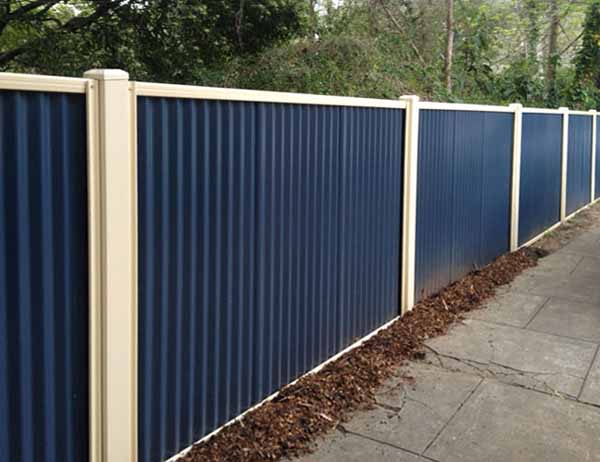
4. Roofing Sheet Roll Forming Machine
Produces corrugated or standing seam panels
Widely used in industrial buildings
5. Cable Tray Roll Forming Machine
Produces ladder and tray systems
Used in electrical installations
Key Advantages of Roll Forming Machines
High Efficiency: Continuous production, up to 30–35 m/min
High Precision: Consistent dimensions and hole accuracy
Automation: PLC control with minimal labor
Material Flexibility: Suitable for GI, PPGI, stainless steel
Cost-Effective: Low waste and high output
Key Technical Parameters to Consider
When choosing a roll forming machine, buyers should evaluate:
Material thickness range
Profile size flexibility
Production speed
Automation level (manual vs fully automatic)
Punching system (hydraulic or servo)
Control system (PLC, industrial PC)
Applications of Roll Forming Machines
Roll forming machines are widely used in:
Steel structure buildings
Residential housing (LGS systems)
Solar mounting structures
Cable management systems
Industrial roofing and wall panels
Frequently Asked Questions (FAQ)
What is the difference between roll forming and press forming?
Roll forming is a continuous process, while press forming is a single-step operation. Roll forming is more efficient for long production runs.
What materials can be used?
Common materials include galvanized steel, pre-painted steel, and hot-rolled steel.
How fast can a roll forming machine produce?
Typical speeds range from 15 to 35 meters per minute depending on the machine type.
Is automatic size change important?
Yes, especially for C/Z purlin machines, as it reduces downtime and improves flexibility.
Why Choose JSR Roll Former?
JSR Roll Former provides advanced roll forming solutions with:
Servo-driven precision control
Fast size change technology
Integrated punching and cutting systems
Stable performance for long production runs
Custom solutions for global customers
With years of manufacturing experience, JSR machines are designed to meet the demands of modern construction and industrial production.
A roll forming machine is an essential investment for manufacturers in steel construction, solar energy, and infrastructure industries. Choosing the right machine can significantly improve production efficiency, reduce costs, and ensure consistent product quality.