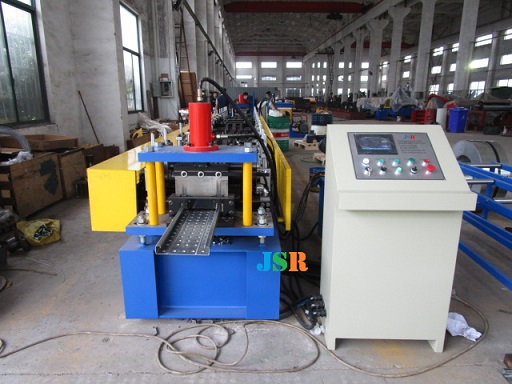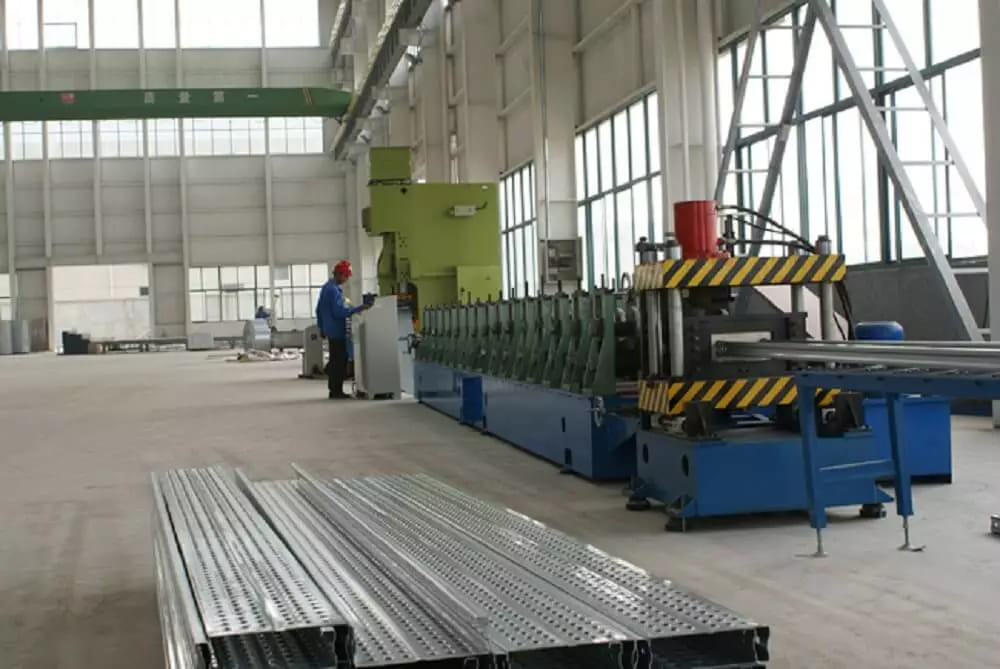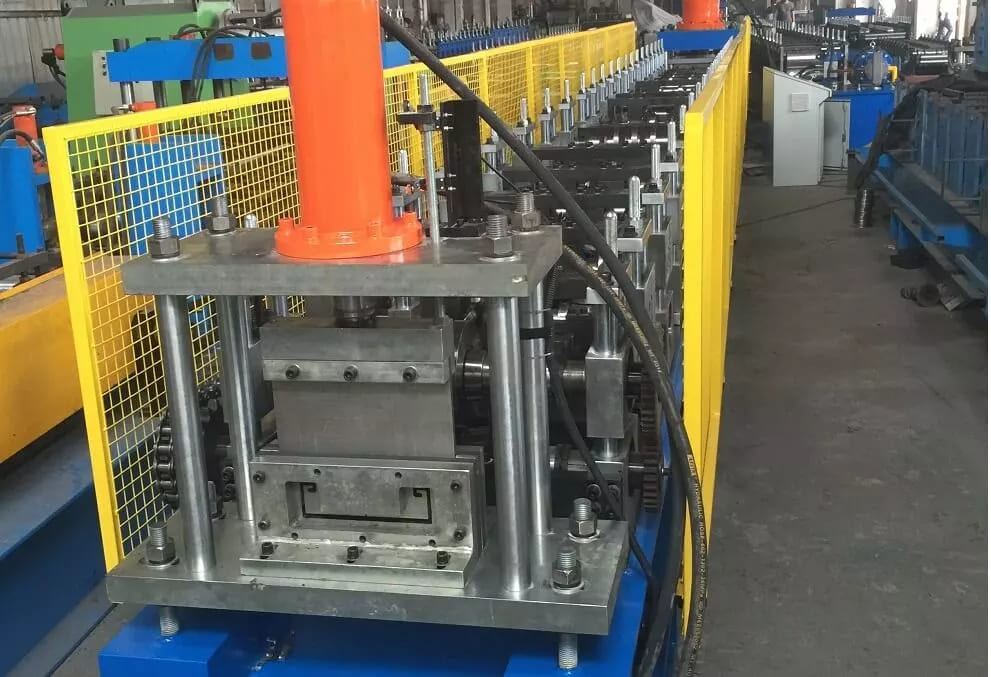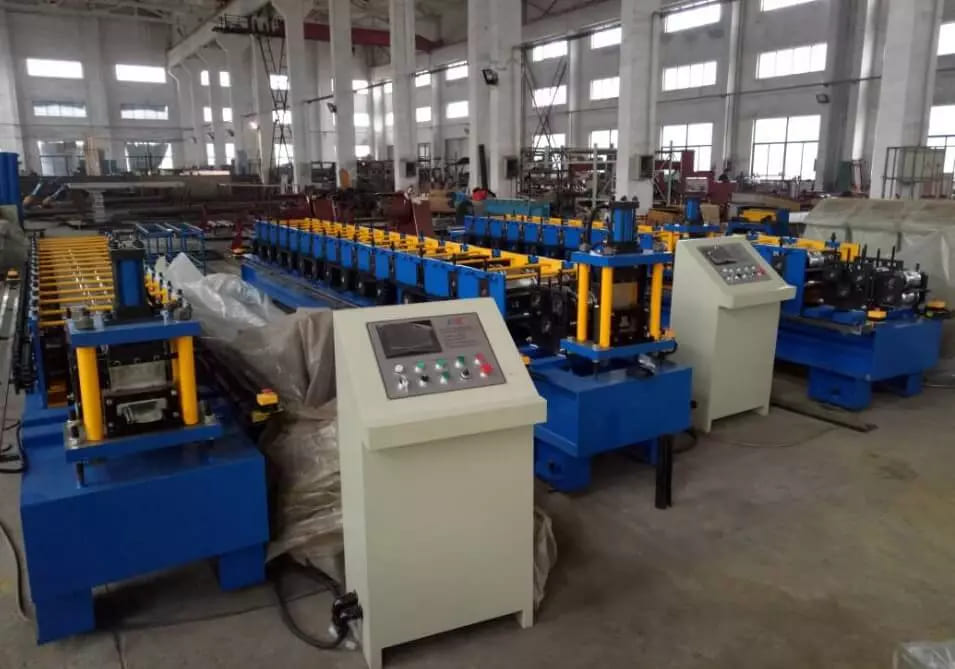

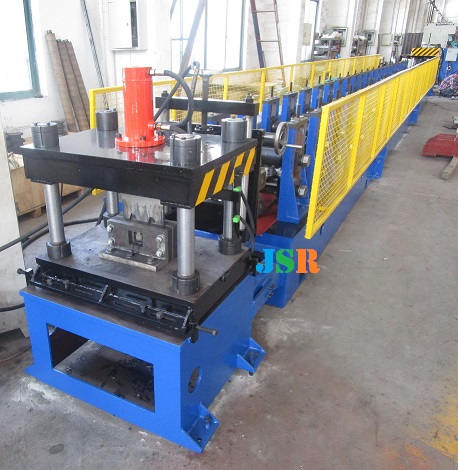
The cost of a strut channel roll forming machine is an important factor for manufacturers entering the solar mounting and industrial support system market.
Prices vary depending on machine configuration, punching requirements, and automation level. Understanding these factors helps buyers choose the right equipment and control investment risk.
In 2026, typical price ranges are:
The final price depends on profile type, punching complexity, and production speed.
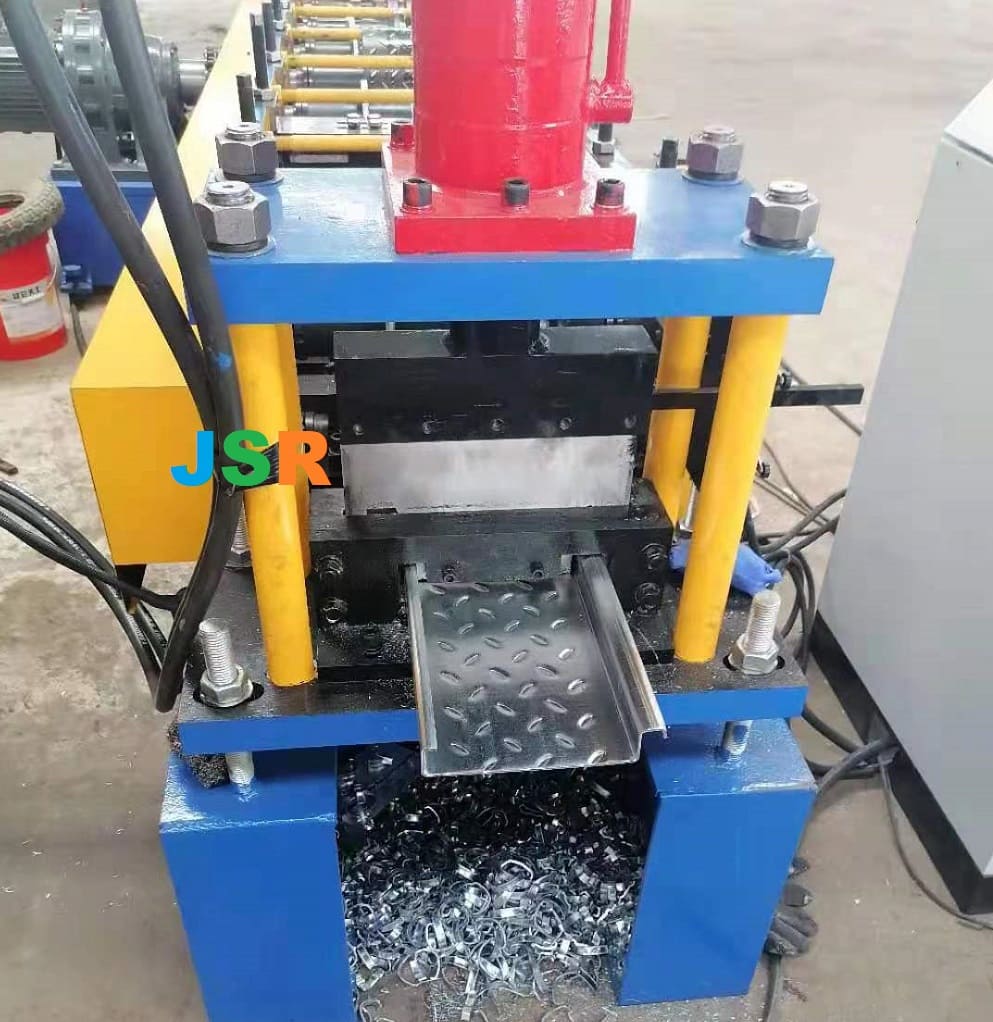
Strut channel production requires precise hole patterns.
Servo punching systems increase accuracy but also raise the price.
Standard strut channels (e.g., 41×41 mm) are easier to produce.
Machines designed for multiple sizes or adjustable widths require more complex structures.
Typical thickness range:
Machines designed for thicker materials require stronger frames and higher power.
Higher speed requires upgraded motors and control systems.
Automation reduces labor and improves production consistency.
Solar projects often require:
Customization increases tooling and engineering cost.
Buyers should also evaluate:
In most cases, yes—if it matches your market.
A higher-quality machine offers:
This reduces long-term operational risk.
A strut channel roll forming machine can typically recover its cost within:
With the growth of solar energy projects, demand for strut channels continues to increase globally.
Higher cost usually means better punching precision, stronger structure, and higher automation.
For solar applications, yes. It ensures accurate hole alignment.
Yes, if the machine is designed with adjustable configurations.
Provide:
JSR provides strut channel roll forming machines with:
JSR focuses on delivering machines that match real production needs.
The cost of a strut channel roll forming machine depends on punching complexity, automation level, and production requirements.
For manufacturers targeting the solar and industrial sectors, it is a practical investment with strong long-term potential.