
For buyers evaluating insulated panel manufacturing, one of the first questions is cost. But asking “How much does a sandwich panel line cost?” is only the starting point. The real answer depends on what kind of sandwich panel production line the buyer needs, what core material is used, whether the process is continuous or discontinuous, and what type of end market the line will serve.
A PU sandwich panel production line does not have the same production logic as an EPS sandwich panel machine, and a continuous sandwich panel line is very different from a discontinuous sandwich panel line in investment level and production style. Industry sources consistently distinguish these line types because the output volume, flexibility, automation, and cost structure can vary significantly.
That is why a buyer should not compare quotations only by headline price.
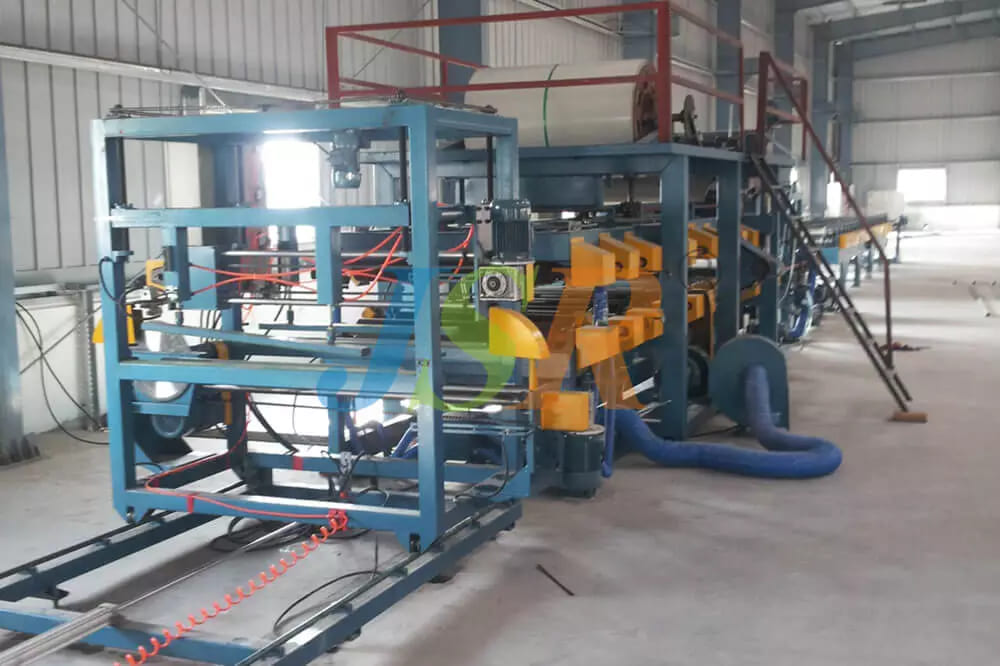
The cost range for a sandwich panel line is usually wider than for simpler single-profile roll forming equipment.
That happens because the line may involve:
In other words, the term sandwich panel machine can cover everything from a more focused facing-related solution to a much more complete insulated sandwich panel production line.
This is one of the biggest pricing factors.
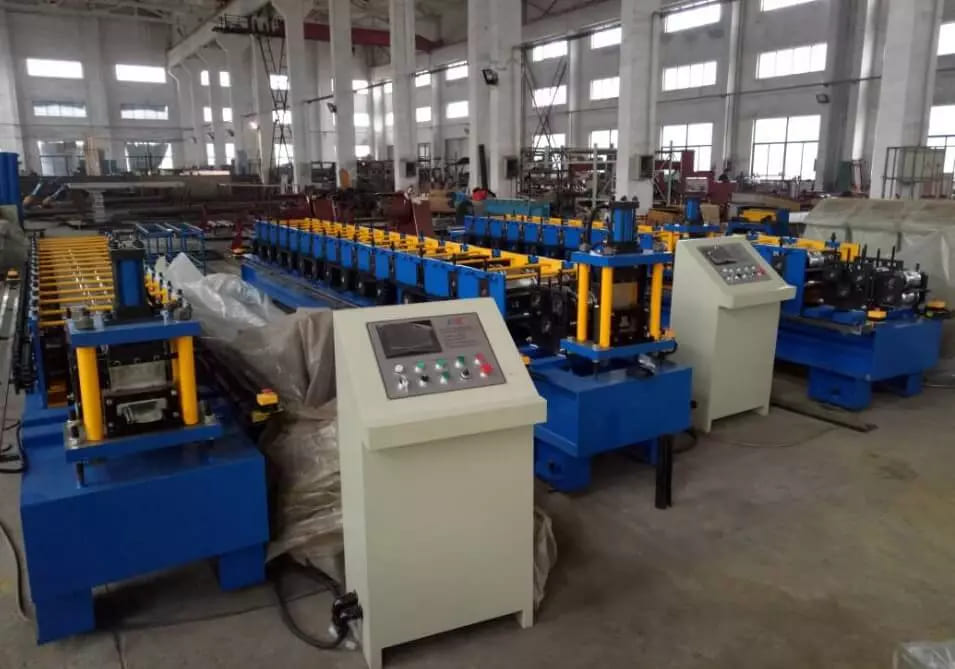
A continuous sandwich panel line is generally more suitable for large-scale, uninterrupted automated manufacturing, which typically means higher investment but better high-volume efficiency.
A discontinuous sandwich panel line is batch-based and often chosen for smaller-scale or more flexible production, which can reduce the initial investment but may also lower throughput.
The cost of a sandwich panel production line also depends on whether the buyer wants to produce:
For example, a PU sandwich panel production line has different process requirements from an EPS sandwich panel machine or a rockwool sandwich panel line.
A roof wall sandwich panel line may be configured differently from a cold room panel line or a cleanroom wall panel line, depending on the product design, panel thickness, and market expectations.
JSR’s own site shows related categories such as sandwich panel sheet forming, cleanroom wall panel roll forming, and EPS/rockwool sandwich panel machine solutions, which reflects how this product family can branch into different sub-applications.
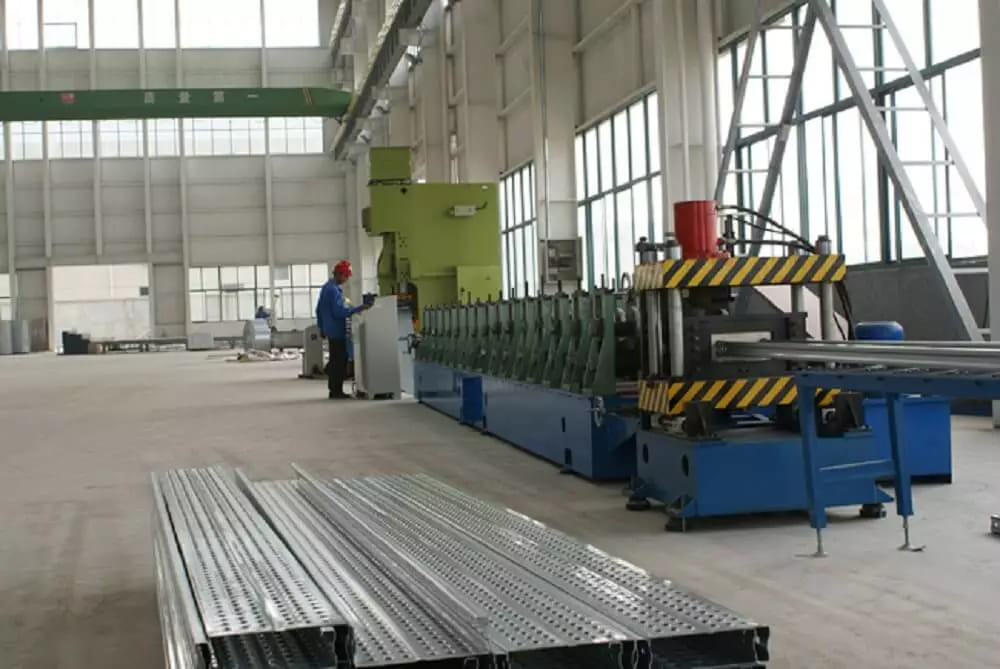
Some buyers need only part of the process, while others want a more complete sandwich panel production line that includes facing preparation and integrated system flow. JSR specifically markets sandwich panel sheet forming equipment for smooth and flat facings.
A more automated sandwich panel line usually increases cost, but it can improve:
The broader the required product range, the more demanding the machine engineering may become.
Large manufacturers evaluating a continuous sandwich panel line often focus on volume and long-run efficiency, while smaller buyers may prefer a lower-entry system with more flexible production logic.
In many cases, yes.
A sandwich panel line is often a more complete building-material production system than a simple single-profile roll former. It is not only shaping sheet metal. It is supporting the manufacture of insulated composite products used in construction, cold storage, and specialized enclosure markets.
That is why many buyers compare this category not with a basic roofing sheet machine, but with a larger-scale industrial production line investment.
A continuous sandwich panel line is usually more suitable for buyers who:
Industry references consistently position continuous lines as the preferred solution for uninterrupted, high-efficiency mass production.
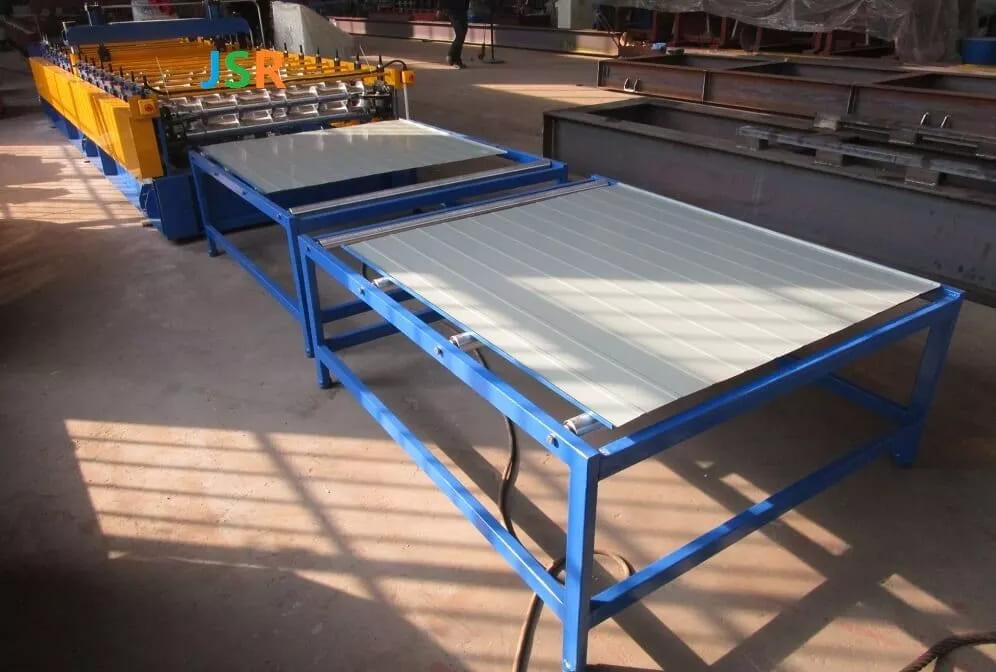
A discontinuous sandwich panel line is often more attractive for buyers who:
Industry descriptions emphasize that discontinuous lines are more batch-oriented and flexible, even if they are slower than continuous systems.
When evaluating a sandwich panel production line, machine price is only part of the investment.
Buyers should also account for:
For a sandwich panel machine, these hidden costs can be more significant than in simpler roll forming categories.
Usually, no.
A very low quotation may mean compromises in:
In this category, the final product is expected to provide insulation performance, structural reliability, and good finished appearance. That means line quality matters a lot.
A weak sandwich panel line can damage the value of the finished panels even if the initial machine price looks attractive.
Instead of only asking for “best price,” buyers should ask:
These questions help make quotations comparable in a meaningful way.
Because a sandwich panel line can vary widely by process type, insulation core, application, and automation level.
In most cases yes, because a continuous sandwich panel line is designed for larger-scale uninterrupted automated production.
Usually the line type, automation level, product size range, and process integration are major factors.
It depends on the exact configuration, but process type and product logic can differ significantly between EPS, PU, PIR, and rockwool systems.
Sometimes yes, sometimes partially, and sometimes facing preparation is handled by related equipment. JSR itself highlights sandwich panel sheet forming equipment for panel facings.
It depends on the system design and target panel type. Some insulated panel production solutions are application-specific.
In everyday buyer language, the terms may overlap. In industrial use, the sandwich panel production line usually refers to the complete manufacturing system.
Panel type, core material, application, panel thickness range, target speed, and whether you want continuous or discontinuous production.
They may cover only part of the process or reflect lower automation, lower capacity, or a simpler configuration.
The line must match the intended product, target market, and factory business model, not just the lowest price.
JSR already has visible product relevance in this category through its sandwich panel sheet forming machine page, cleanroom wall panel roll forming page, sandwich panel facings case content, and EPS/rockwool sandwich panel machine page. That gives buyers a clearer product path when they evaluate whether the supplier understands this insulated panel segment.
For a sandwich panel line, that matters because buyers are not only purchasing a machine. They are investing in a product system.
The cost of a sandwich panel line depends on what kind of insulated panel business the buyer wants to build. A continuous sandwich panel line, a discontinuous sandwich panel line, a PU sandwich panel production line, and an EPS sandwich panel machine are all part of the same broader category, but they are not the same investment decision.
For manufacturers targeting roof panels, wall panels, cold rooms, cleanrooms, or other insulated building systems, the right sandwich panel production line should be selected based on actual product strategy, not only headline price.