
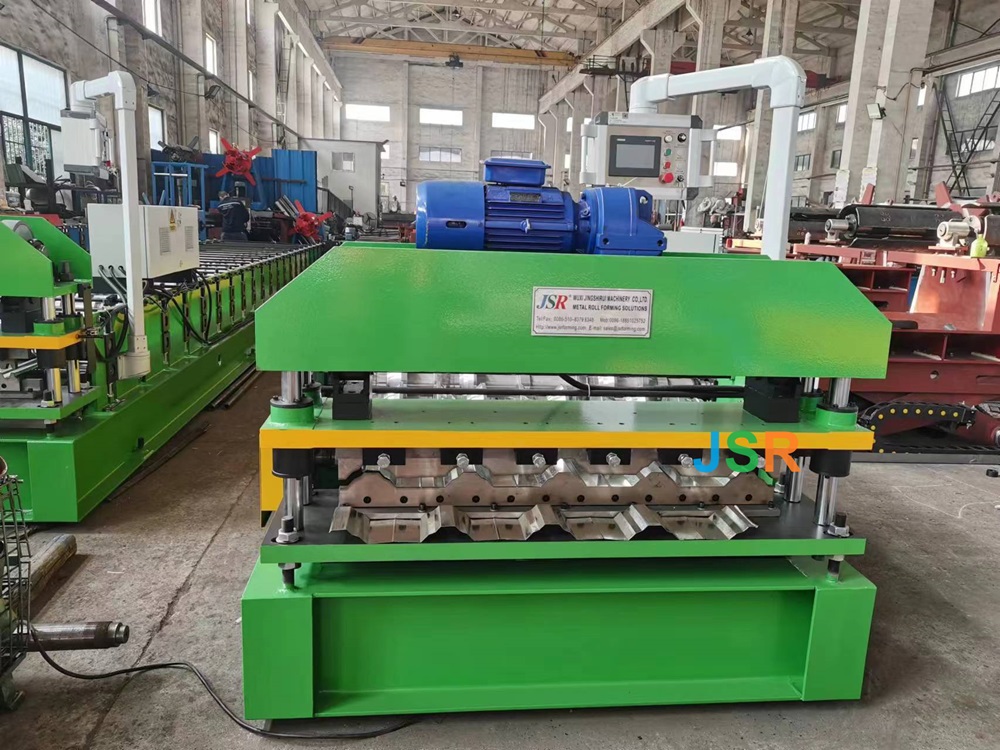
The cost of a roofing sheet roll forming machine is a key consideration for manufacturers entering the metal roofing industry.
Prices vary depending on machine configuration, production requirements, and automation level. Understanding these factors helps buyers make a more accurate investment decision.
In 2026, typical price ranges are:
The final price depends on profile type, speed, and additional features.
Different profiles require different roller designs:
More complex profiles increase tooling and design costs.
Most roofing machines handle 0.3–0.8 mm thickness.
Machines designed for thicker materials require stronger frames and more powerful drive systems, increasing cost.
Higher speeds require better motors, control systems, and cutting solutions.
Automatic systems reduce labor and improve consistency.
Some machines are designed to produce two profiles (double layer):
In addition to machine price, buyers should evaluate:
Not always.
Lower-cost machines may have:
A balanced approach between price and performance is recommended.
A roofing sheet roll forming machine can typically recover its cost within:
Roofing sheets are high-demand products in construction, making this machine a stable investment.
Lower prices usually indicate simpler configurations, lower speed, or reduced material capacity.
Only if you have consistent, large-volume orders.
Standard machines produce one profile. Double-layer machines can produce two.
Provide:
JSR Roll Former provides roofing sheet roll forming machines with:
JSR focuses on delivering practical solutions that match real production needs.
The cost of a roofing sheet roll forming machine depends on multiple factors, including profile type, automation level, and production requirements. A well-matched machine can significantly improve efficiency and ensure a strong return on investment.