
When buyers evaluate a metal fencing machine, one of the most important questions is not only which supplier to choose, but what part of the fence system to produce first.
The real decision is usually this:
Should I start with only a fence panel roll forming machine, or should I build toward a full fence system with panels, posts, and rails?
This is not only a machine-selection question. It is a business-structure question.
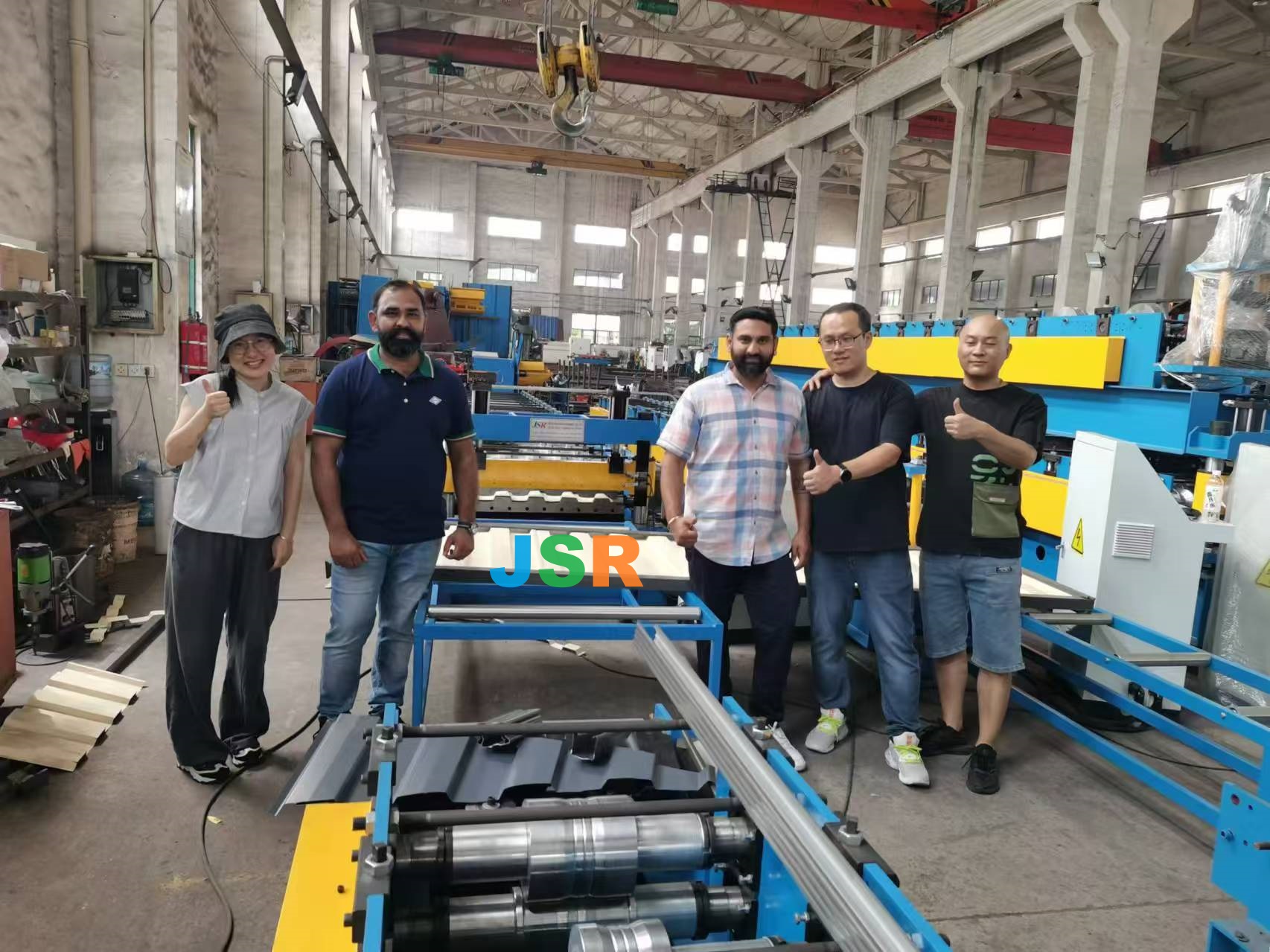
JSR’s Australia fencing pages make this especially clear by stating that many fencing projects need three machines: one machine for fencing sheet, one for fencing post, and one for fence rail.
That means buyers should not treat metal fencing as a single-profile product category unless the market truly behaves that way.
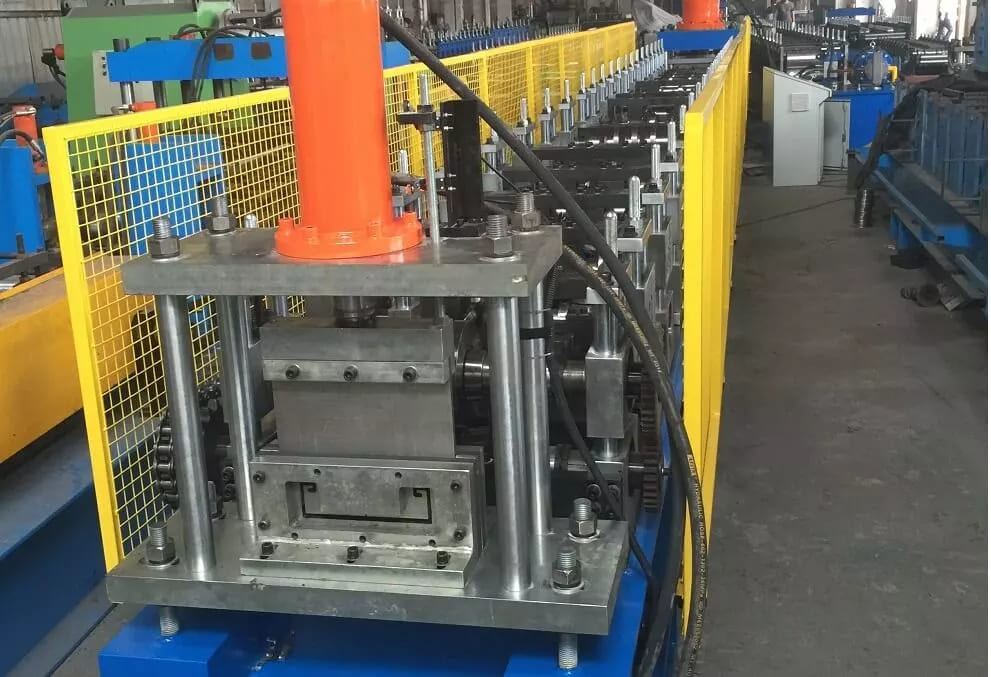
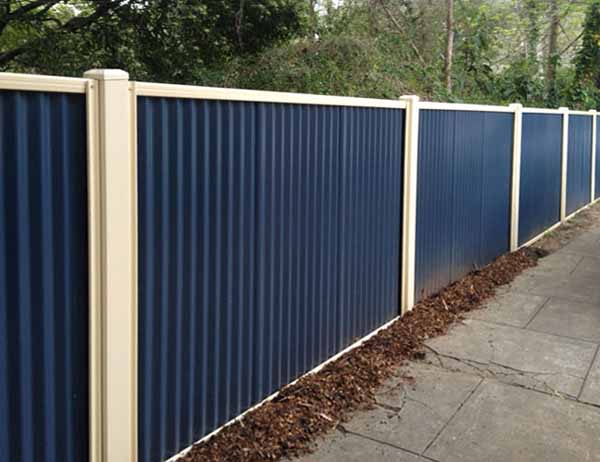
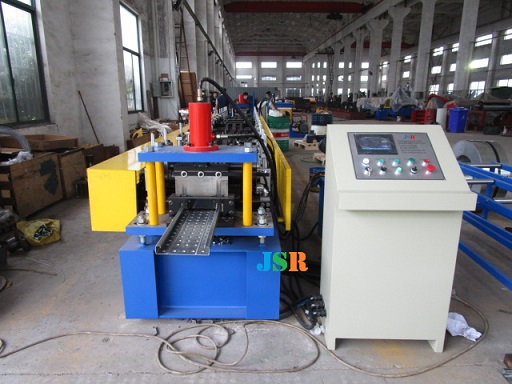
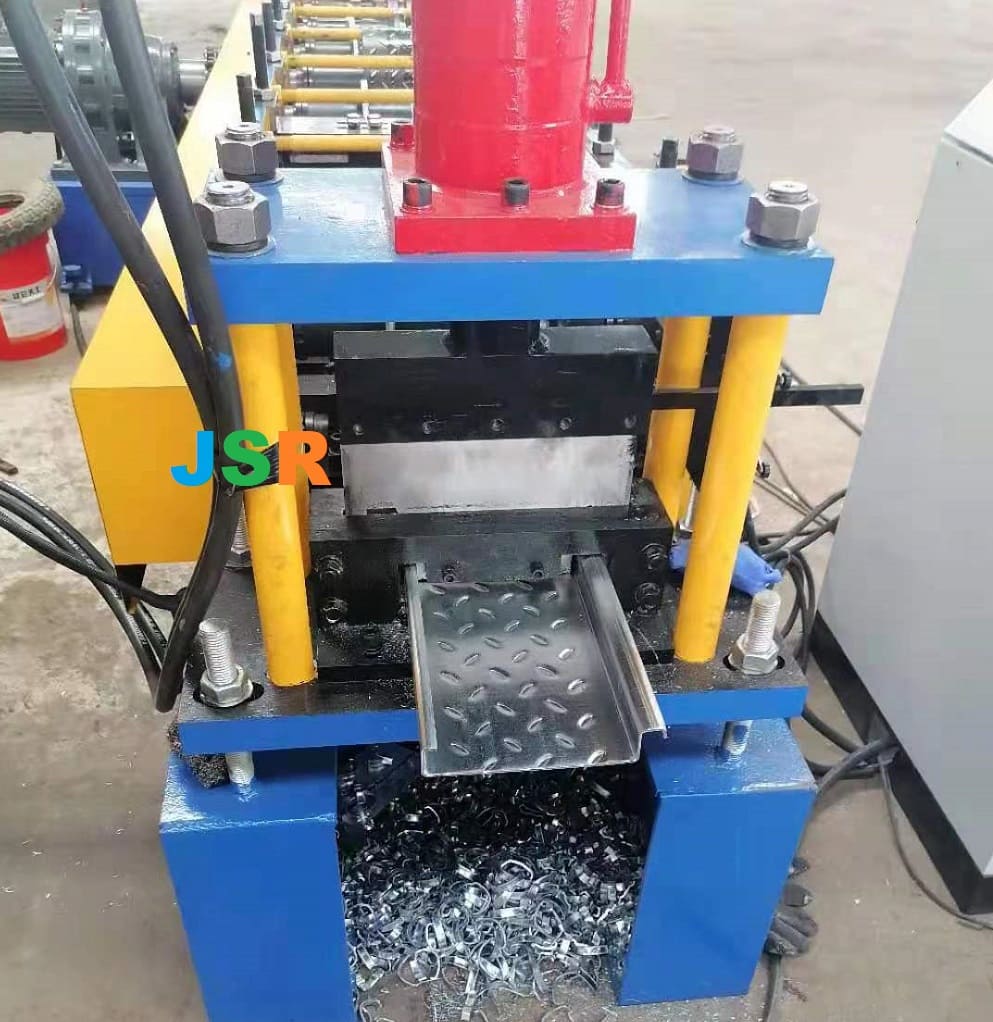
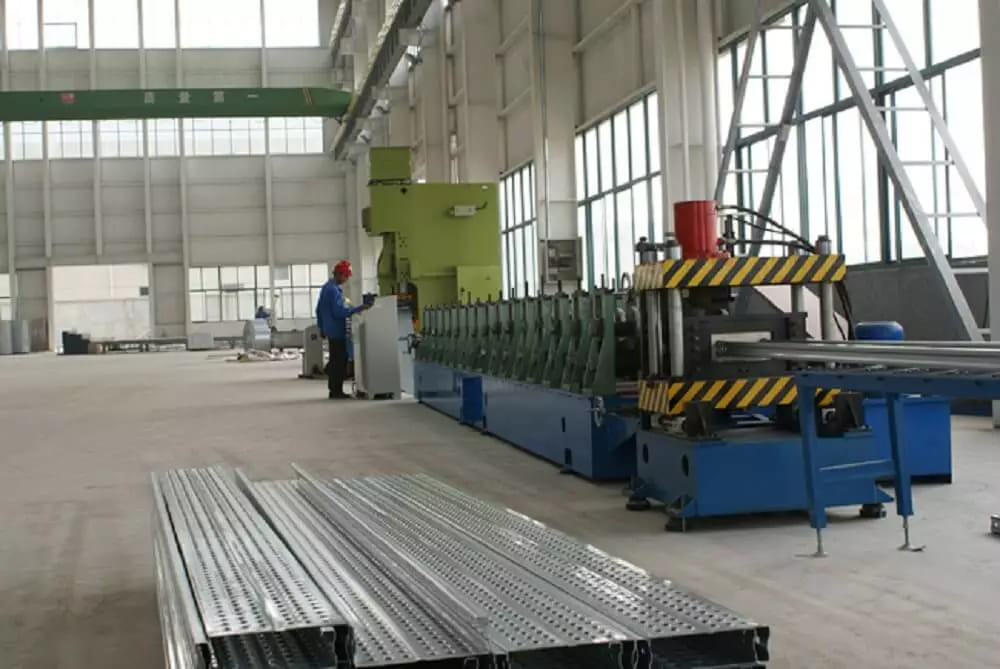
Fence panel production usually means using a fence panel roll forming machine or fencing sheet roll forming machine to make the visible face of the fence.
This may include products such as:
JSR’s fencing pages include examples such as corrugated metal fence panel machine, machine make metal fencing panel, and Australia fencing sheet roll forming machine pages.
Fence panel production can be a practical starting point because the product is the most visible part of the system and often the easiest for customers to recognize.
A fuller metal fencing machine business usually means producing more than just the visible panel.
It may include:
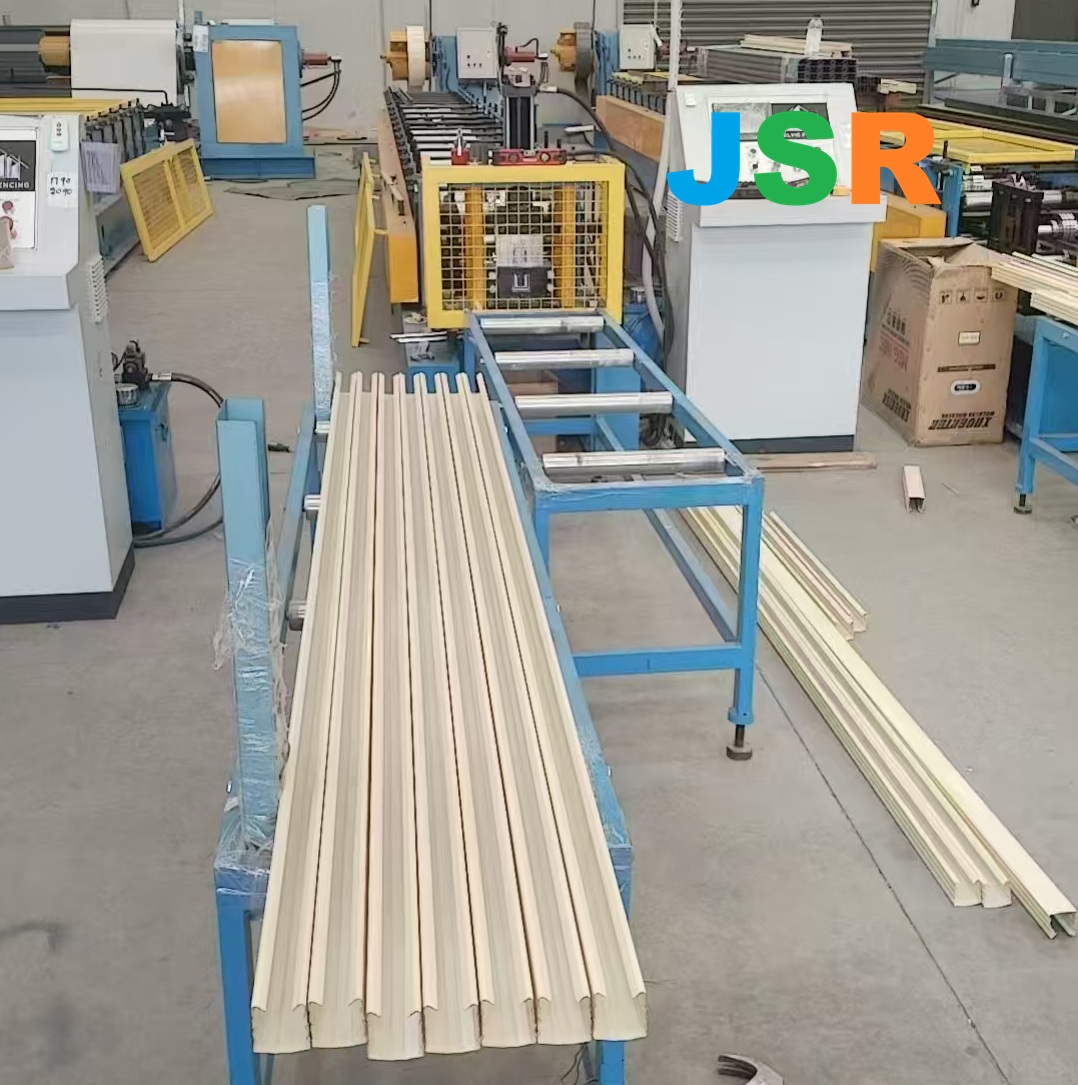
JSR’s pages support this directly. Its Australia fencing content mentions separate machines for sheet, post, and rail, while its U-shape capping page shows that some fence systems also need framing or capping sections.
That is why many buyers find that a metal fence roll forming machine business becomes stronger when it moves from one component into a full fence-system offering.
You should focus first on a fence panel roll forming machine if:
Some markets allow fence sheets or corrugated fence panels to be sold without the manufacturer producing every related component.
Starting with only a fencing sheet roll forming machine usually requires less capital than building a full panel-post-rail setup.
A panel-only machine can be a practical first move before expanding into related fence products.
If the ecosystem is already fragmented, one-profile production may still work.
A fuller metal fencing machine strategy is often better if:
Many fence systems work best when panels, posts, and rails fit together correctly.
Producing more of the system gives better control over dimension compatibility and visual consistency.
Selling a full fence system usually creates stronger commercial value than selling only one component.
In export business, offering the complete system can make the manufacturer more attractive to distributors and project buyers.
JSR’s own Australia-facing content strongly supports the idea that fence products are often sold as a system rather than as one isolated sheet profile.
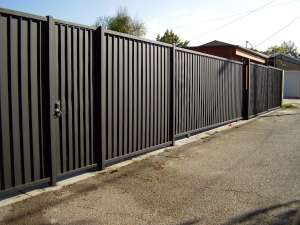
The better choice depends on whether your customers buy fence components separately or as a coordinated system.
A fence panel roll forming machine can be a strong entry point if the panel is easy to sell in volume and the market already has support components available.
A broader metal fencing machine business often has stronger long-term value because it creates a fuller product package and more control over compatibility.
In many cases, the most scalable business path is:
JSR’s own fence and capping pages fit this staged product-development logic very well.
In some markets, the buyer really wants a full fence system rather than one fence sheet machine.
A full metal fence roll forming machine strategy is stronger only if the market can absorb it.
If the system does not fit together properly, the commercial value drops.
JSR’s fencing pages already show strong Australia-market orientation, which is a reminder that fence systems vary by region.
Fence products are visible final-use products, so visual finish matters.
Fence panel production focuses on the visible sheet or panel, while full fence system production includes panels, posts, rails, and sometimes capping.
JSR says one common setup uses three machines for sheet, post, and rail.
It can be, especially if the market already buys fence panels separately.
Often yes, because it gives the manufacturer more control and a more complete product offer.
Yes. JSR’s Sipca metal fence slat page shows that slat production can be part of a broader fencing strategy.
JSR’s U-shape capping page shows that some fence systems also use frame or top-edge capping profiles.
A fuller fence-system offer is often stronger for export, but the best choice depends on buyer expectation.
The biggest risk is investing in only one machine when the market actually requires a matched system.
Yes. Many manufacturers use that staged approach.
The most important factor is how the target market buys the fence product: panel only, or full system.
Choosing between a fence panel roll forming machine and a fuller metal fencing machine strategy is not about which machine sounds bigger. It is about which production scope fits your market better.
If your market buys panels separately, a focused panel machine may be enough. If your market wants posts, rails, and coordinated fence systems, building toward a full fencing-product family may be the stronger path.
The right decision is the one that matches your real customer buying pattern.