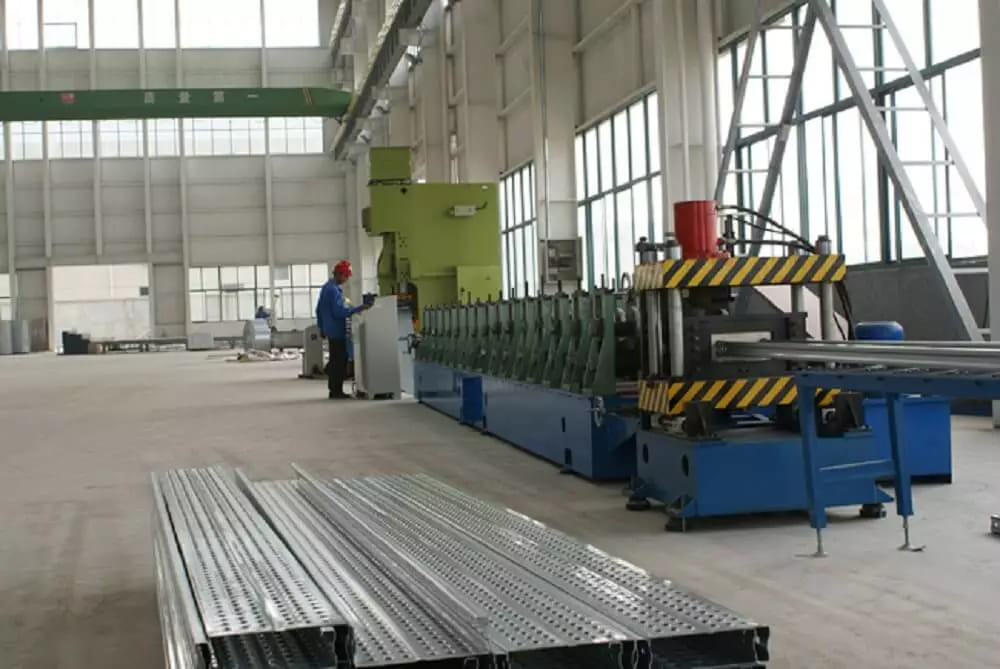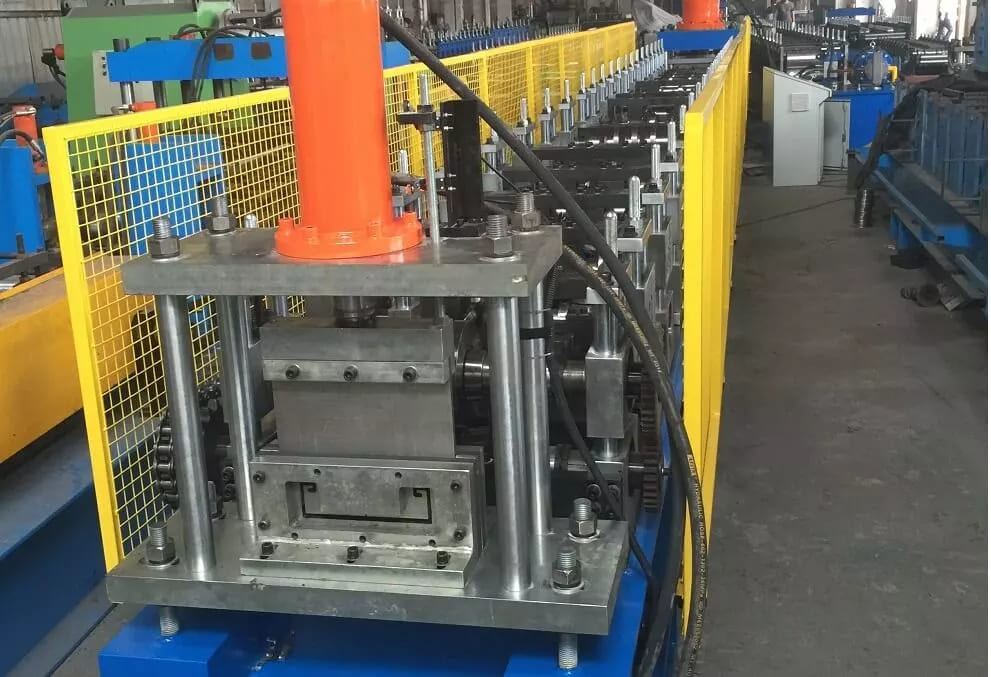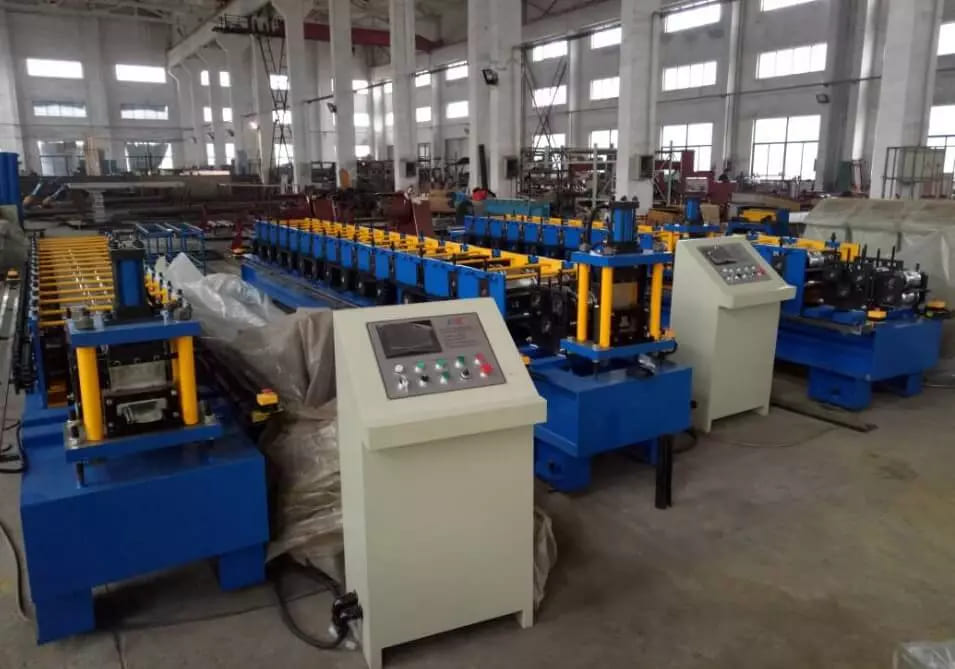

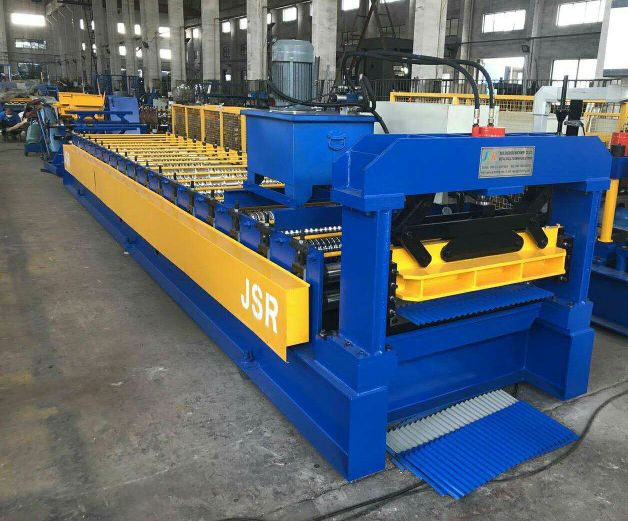
If you are planning to invest in a roofing sheet roll forming machine, one of the first decisions is:
Should you produce corrugated sheets or trapezoidal sheets?
This is not just a technical choice.
It directly affects your sales, target customers, and return on investment.
This guide will help you make the right decision based on real market logic.
That’s the visual difference.
But the real difference is in market demand and application.
Choose corrugated sheets if your market is:
Corrugated sheets are cheaper to produce and easier to sell in cost-driven markets.
Common in:
Corrugated sheets sell fast, especially in developing regions.
Choose trapezoidal sheets if your market requires:
Stronger design allows longer spans and better load capacity.
Widely used in:
Projects that require better appearance and durability.
| Factor | Corrugated | Trapezoidal |
|---|---|---|
| Cost | Lower | Higher |
| Strength | Medium | High |
| Appearance | Traditional | Modern |
| Target Market | Mass market | Industrial projects |
| Profit Margin | Lower | Higher |
Many successful manufacturers don’t choose one.
They:
Or:
Invest in a double-layer machine to produce both
This approach reduces risk and expands your market coverage.
Your decision affects your machine configuration:
If you plan to serve multiple markets:
A flexible or double-layer roll forming machine is a better choice.
Low-cost machines may not match your market demand.
Production should follow market demand, not personal preference.
Flexibility is important, especially in the early stage of your business.
Corrugated sells more in volume, but trapezoidal often has better margins.
Trapezoidal sheets usually provide higher profit per unit.
Yes, double-layer machines can produce two profiles.
Start with corrugated or choose a flexible machine to reduce risk.
JSR provides roofing roll forming solutions designed for real market needs:
JSR helps customers match machine capability with market demand.
Choosing between corrugated and trapezoidal roofing sheets is not about which is better.
It is about:
Which one fits your market, your customers, and your business strategy.
Make the right choice, and your production line becomes a stable and profitable asset.