
If you are planning to produce or install cable trays, you’ve probably asked:
👉 “Which type of cable tray should I choose?”
The answer is not one-size-fits-all.
Each type is designed for different environments, loads, and project requirements.
Let’s break it down in a practical way.
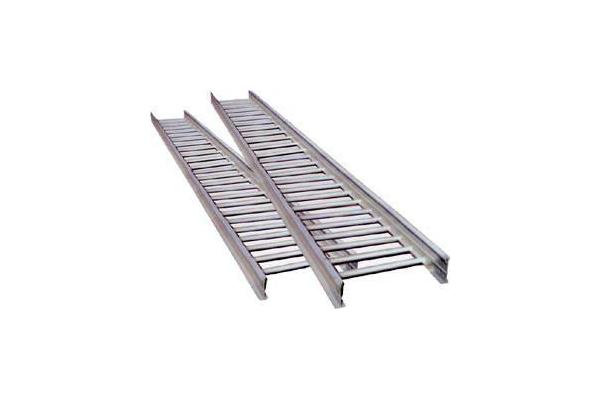
Think of ladder trays as the “strong backbone” of cable systems.
What makes it special:
Where it fits best:
👉 If your cables are heavy and heat matters, this is usually the right choice.
This is the “all-rounder” and the most commonly used type.
Why people choose it:
Typical applications:
👉 If you’re not sure what to choose, this is often the safest option.
This type focuses on protection rather than ventilation.
Key features:
Best used in:
👉 If protection matters more than heat dissipation, this is your answer.
| Type | Strength | Ventilation | Protection | Best For |
|---|---|---|---|---|
| Ladder | High | Excellent | Low | Heavy industrial |
| Perforated | Medium | Good | Medium | General use |
| Solid | Low–Medium | Low | High | Clean environments |
Instead of guessing, use this logic:
👉 Most buyers actually choose perforated trays because they balance everything.
Yes, and this is where things get interesting.
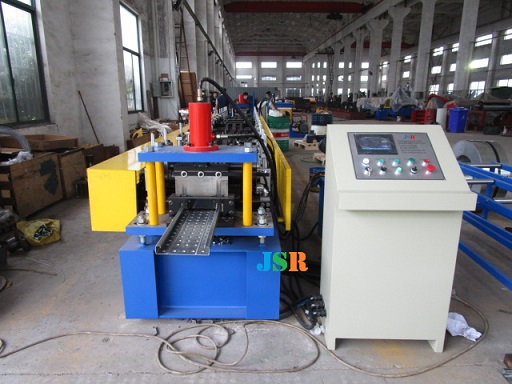
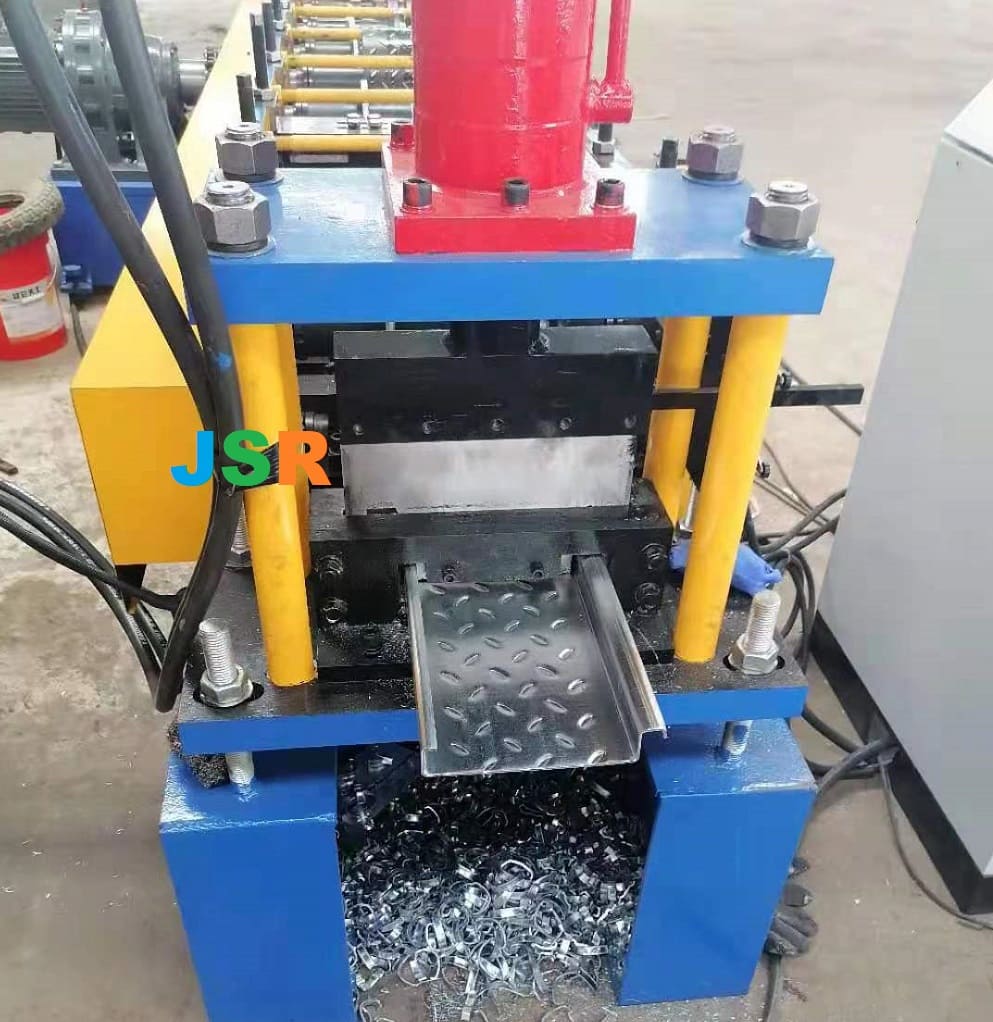
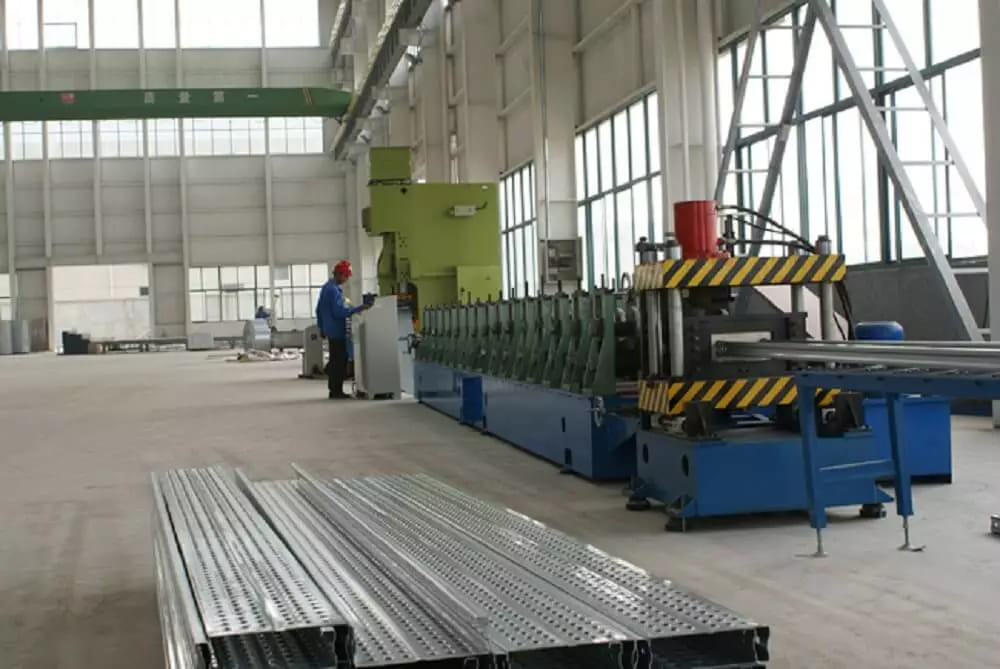
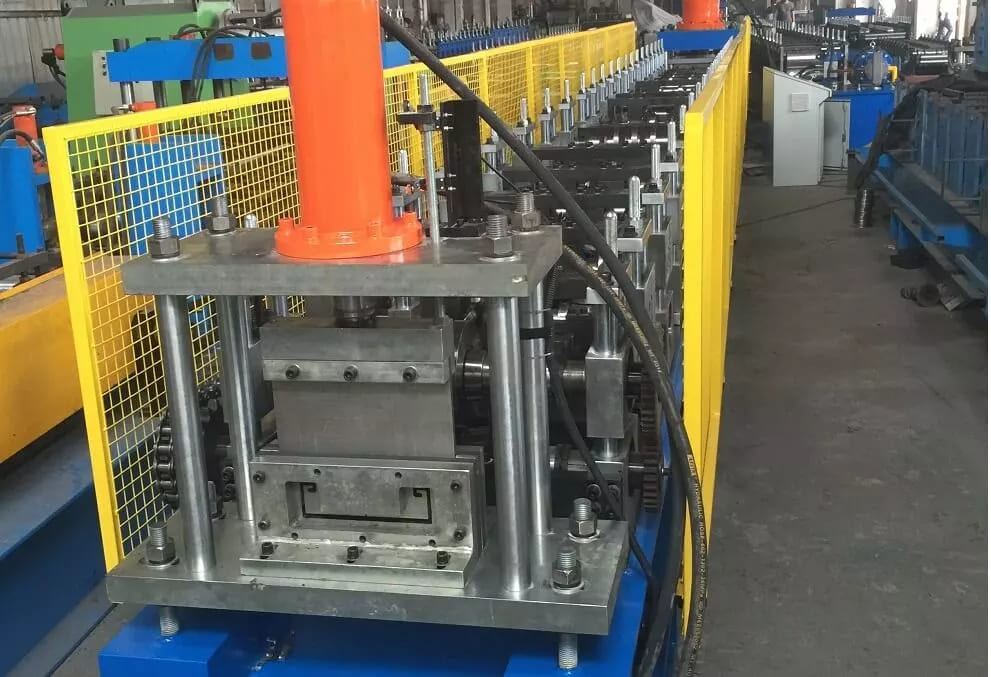
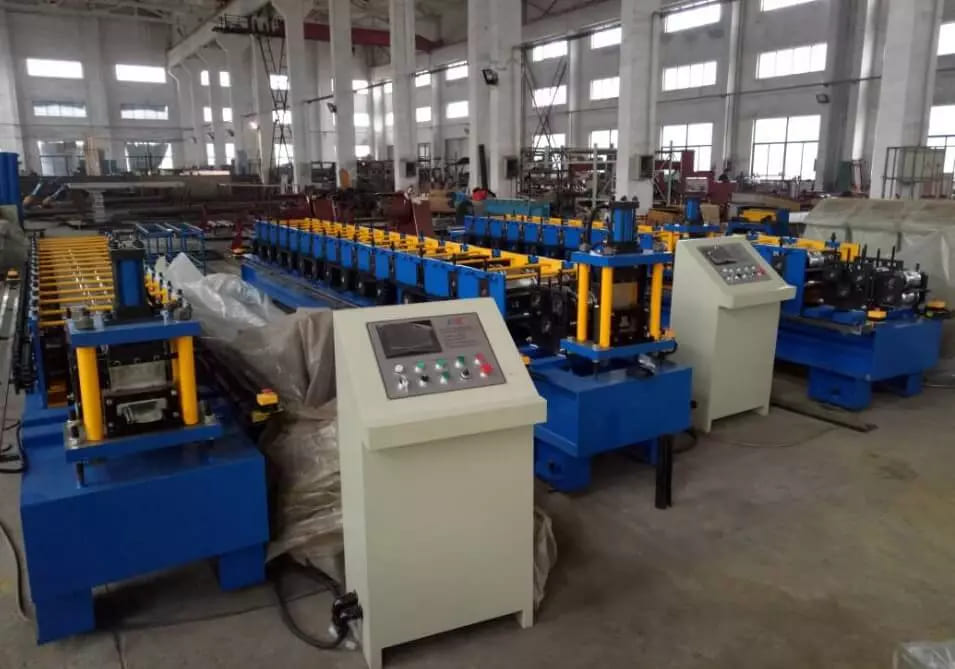
Modern cable tray roll forming machines (like JSR solutions) can:
👉 That means you don’t need separate machines for each type.
If you’re planning to start or expand production:
👉 Don’t choose based only on price
👉 Choose based on your main market demand
Because:
Perforated cable trays are the most widely used globally.
Usually yes, due to stronger structure and higher material usage.
With modern machines, yes. Adjustment is fast and efficient.
Yes, especially for perforated trays, punching design is critical.
JSR focuses on practical production solutions:
👉 Not just selling machines, but helping you match the right production setup.
Choosing the right cable tray type is not about which one is “better”.
It’s about:
👉 Which one fits your project or market best
Once you understand that, both your production and your profits become much clearer.