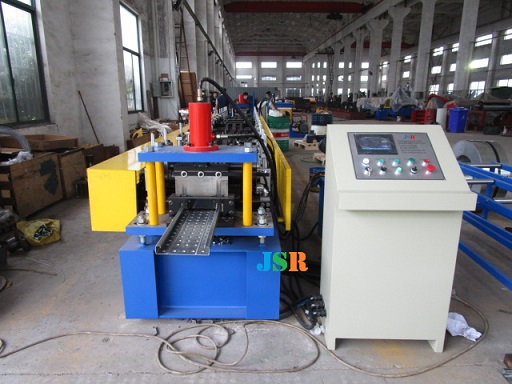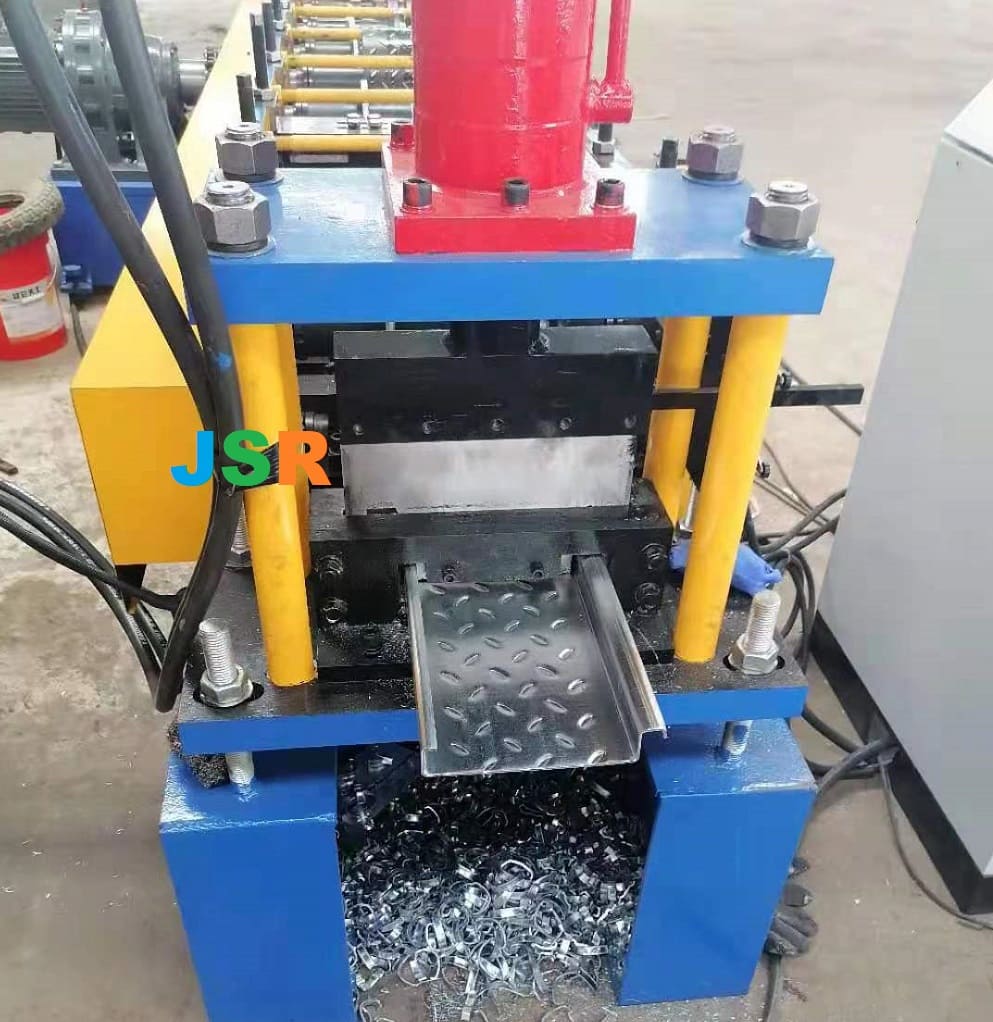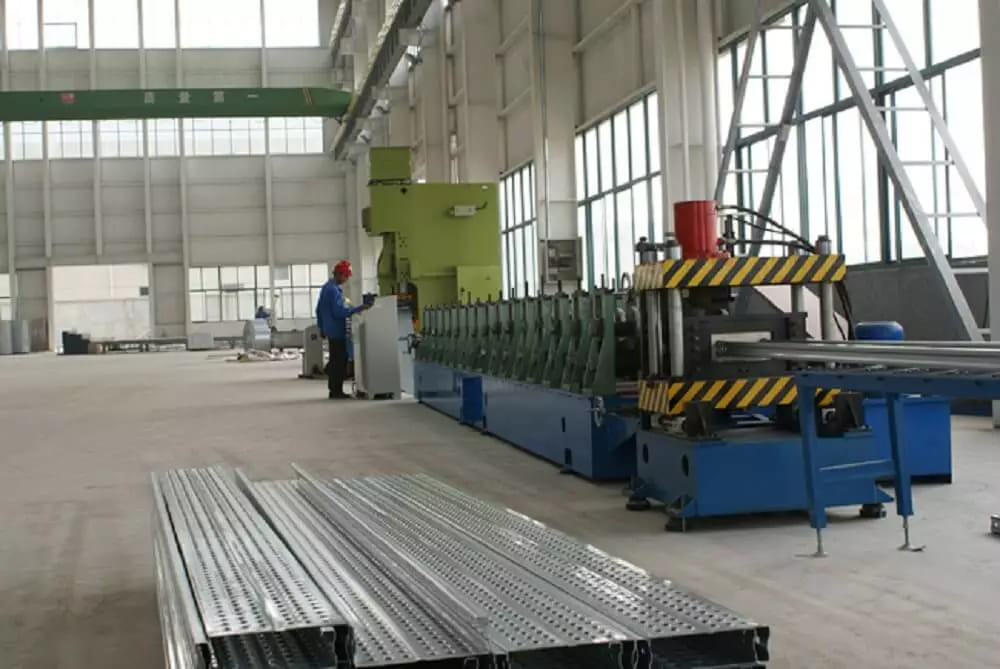

The cost of a cable tray roll forming machine is a key factor for manufacturers entering the electrical infrastructure and construction industry.
Prices vary depending on machine configuration, automation level, and production requirements. This guide explains the real price range and what influences the final cost.
In 2026, typical price ranges are:
The exact price depends on tray type, punching requirements, and machine configuration.
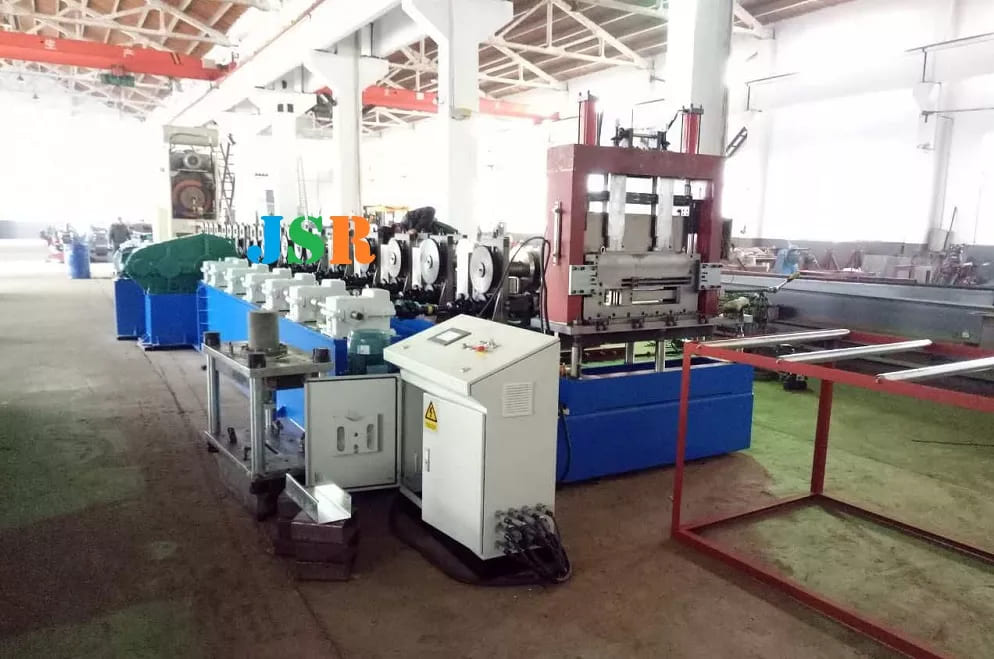
Different cable tray designs require different configurations:
More complex designs increase machine cost.
Servo punching systems significantly improve efficiency but increase price.
Machines handling thicker materials (e.g., 2.0–3.0 mm) require stronger structures and more powerful systems.
Higher speed machines (20–30 m/min) require advanced control systems, increasing cost.
Custom designs, special punching patterns, and unique tray sizes will increase the overall machine price.
Buyers should also account for:
Not necessarily.
The best choice depends on your business:
A cable tray roll forming machine can typically recover its cost within:
Cable trays are widely used in infrastructure and industrial projects, making them a stable and profitable product line.
Lower-priced machines may have limited punching capability, lower speed, or reduced durability.
Yes, especially for perforated cable trays requiring high precision.
Yes, adjustable machines can handle various sizes with quick setup.
Provide:
JSR Roll Former provides cost-effective cable tray roll forming solutions with:
JSR helps customers achieve efficient production and fast return on investment.
The cost of a cable tray roll forming machine depends on multiple factors, including tray design, automation, and production requirements. Understanding these factors helps buyers make the right investment decision.