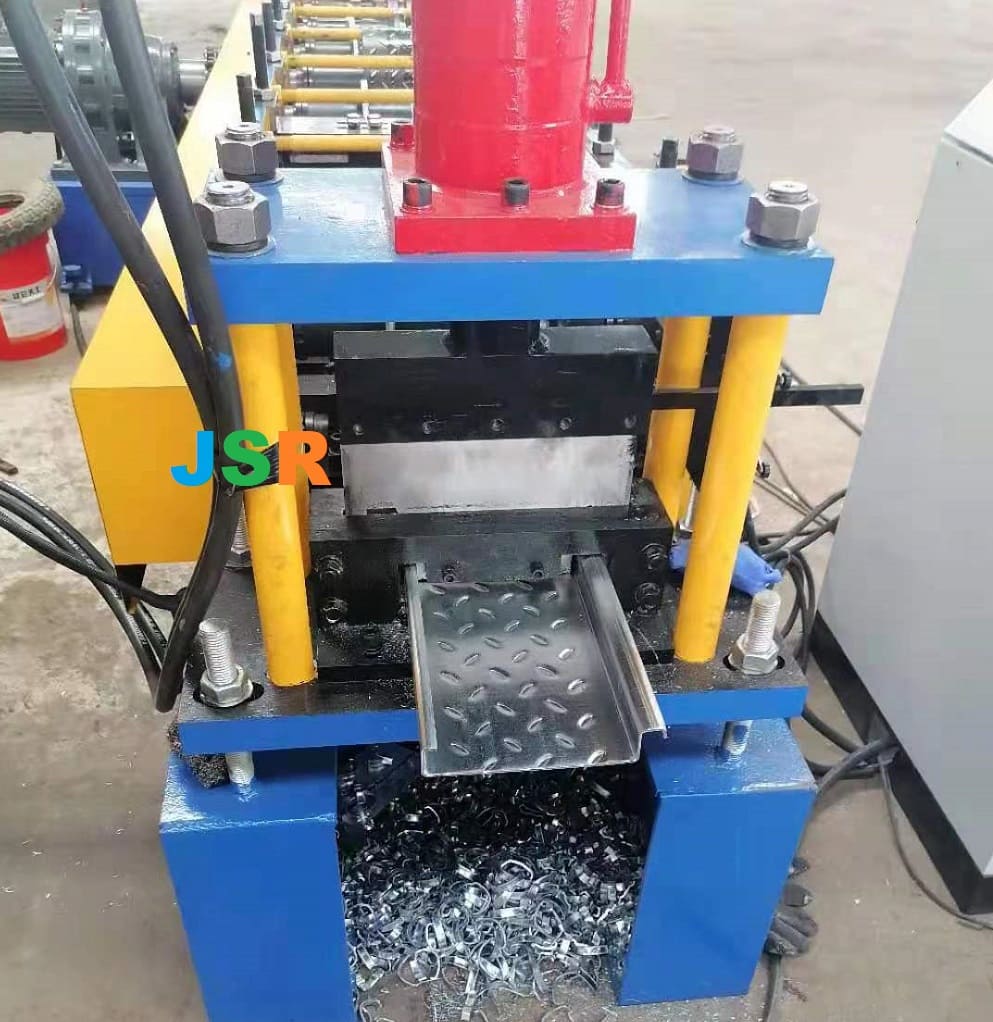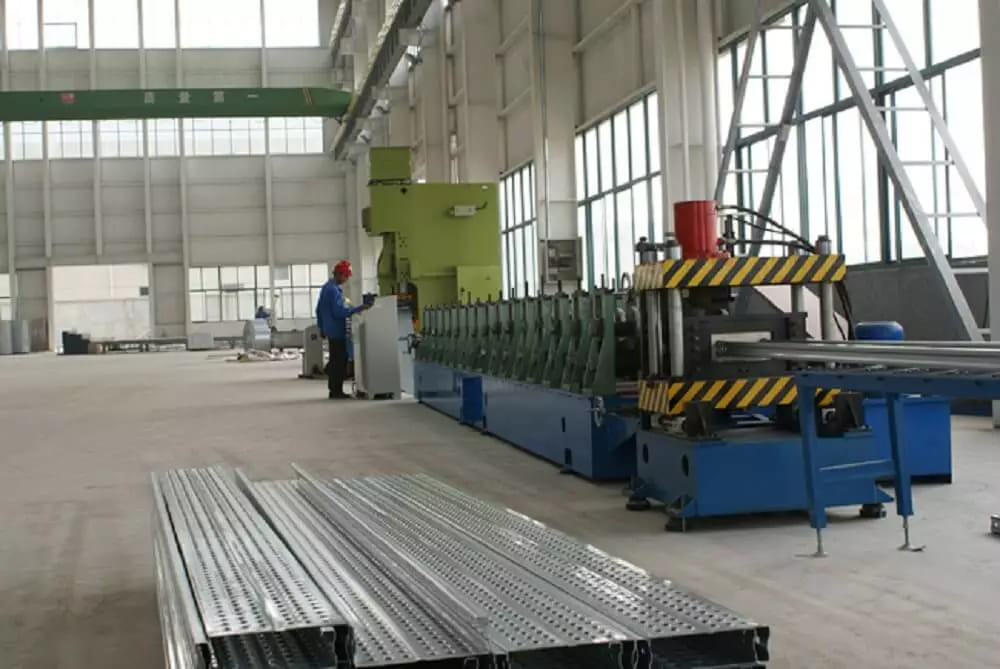

For buyers entering the fencing-products market, one of the first questions is cost. But asking “How much does a metal fencing machine cost?” is only the beginning. The real answer depends on what part of the fence system the buyer wants to produce.
JSR’s own fencing pages make this very clear. In its Australia fencing content, JSR says that manufacturers usually need three machines to make fencing: one for fencing sheet, one for fencing post, and one for fence rail.
That means a quotation for a fence panel roll forming machine is not the same as a quotation for a complete metal fence production setup. Buyers should first decide whether they want:
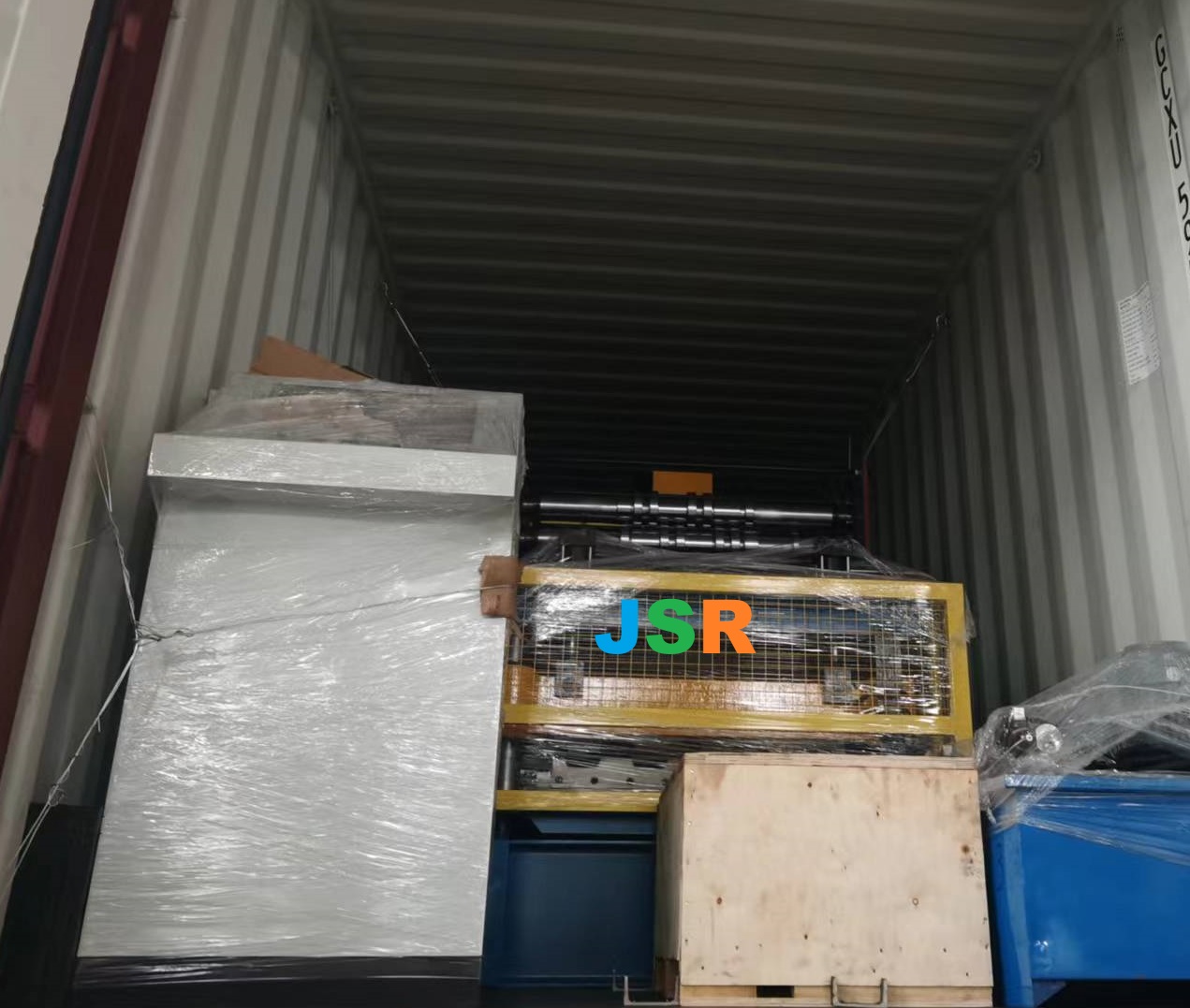
The cost of a metal fencing machine varies because this category includes very different products.
Some buyers need:
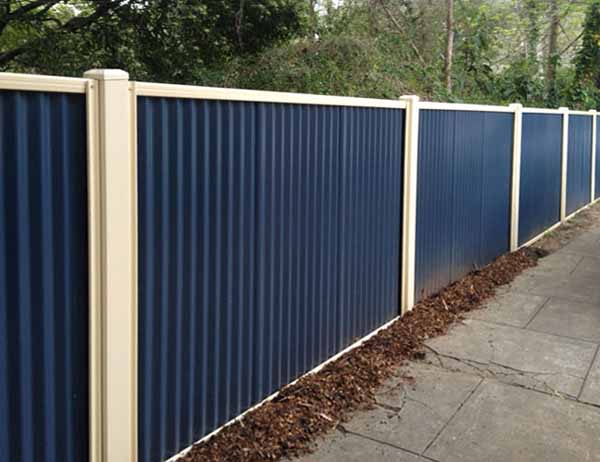
JSR’s own pages show all of these directions. One page focuses on corrugated fence panels, one on metal fence posts, one on fence slats, and another on U-shape capping for fence systems.
Because of this, the machine cost depends heavily on which exact profile the buyer wants to produce.
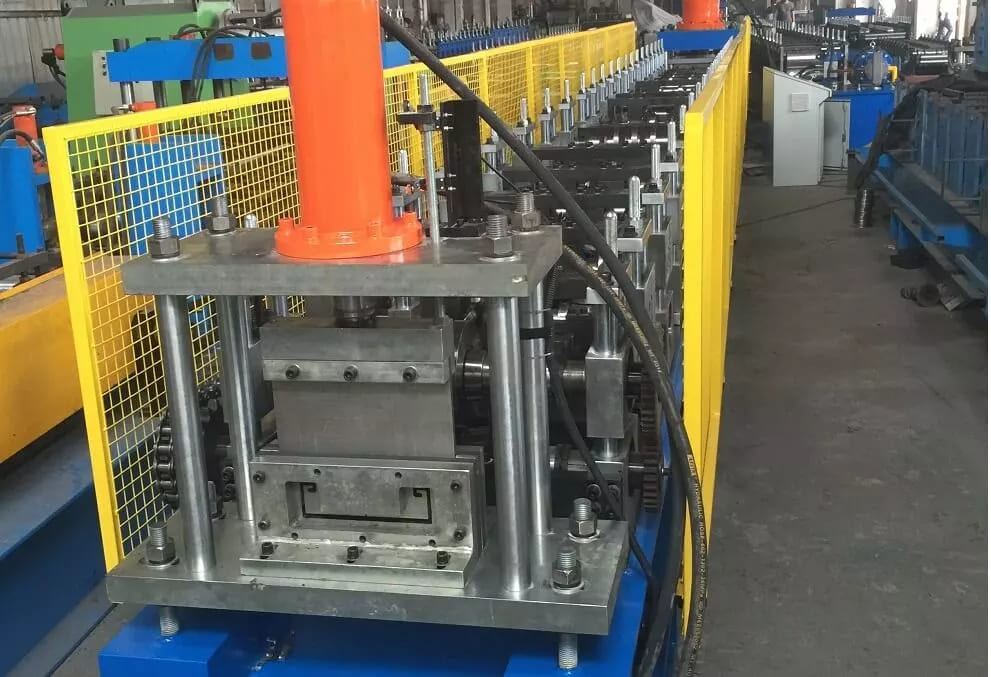
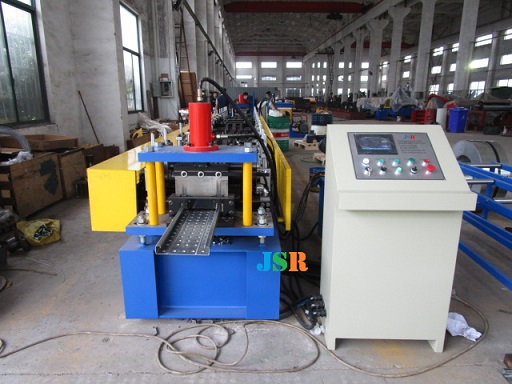
A fence panel roll forming machine is different from a metal fence post machine or fence rail roll forming machine. JSR’s Australia fencing pages explicitly treat these as separate machine categories.
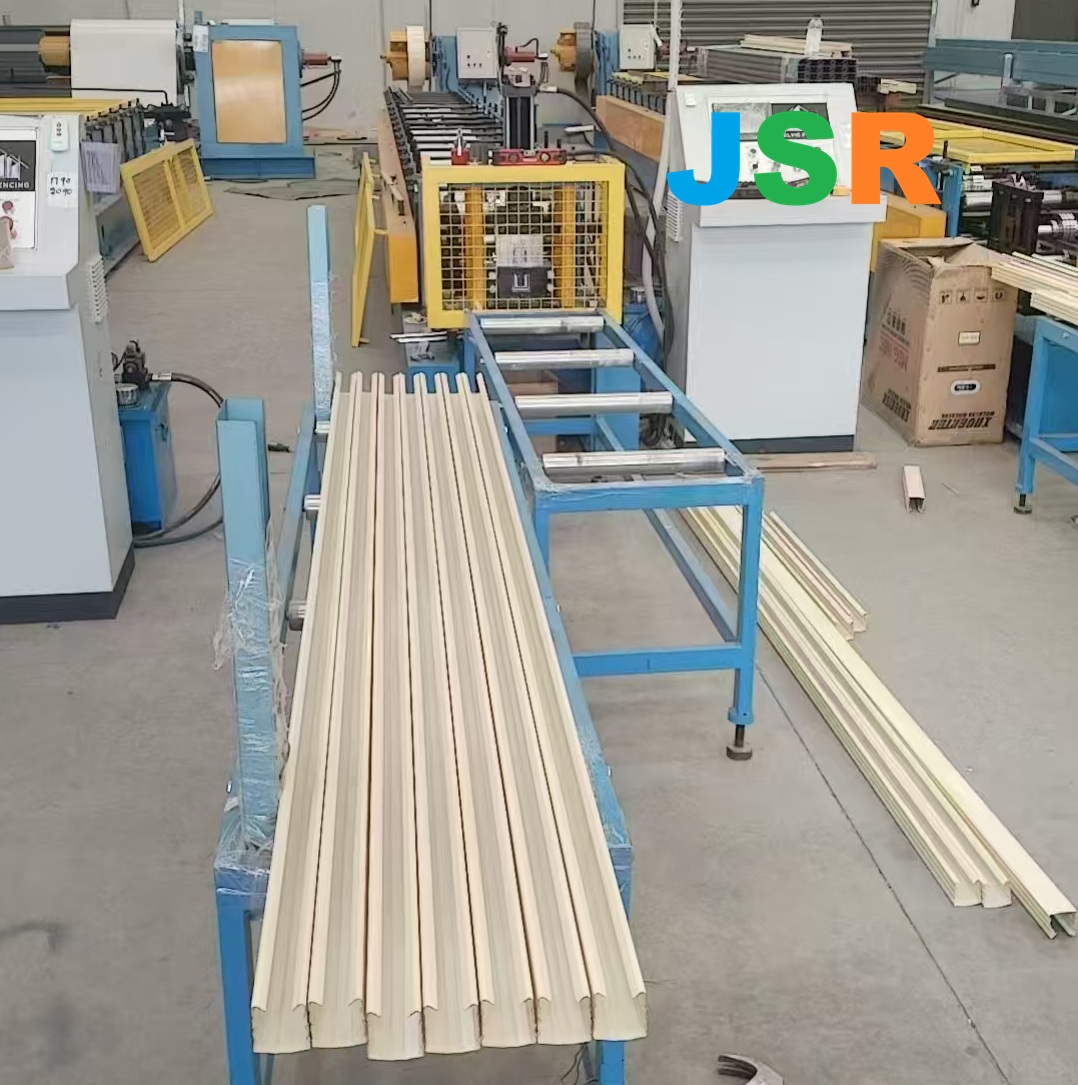
A fence slat roll forming machine with special rounded top-edge cutting, like the Sipca metal fence example on JSR, will have different tooling requirements from a simpler corrugated fence sheet line.
JSR’s fence pages give practical production examples, such as:
These material and width requirements directly affect machine design and cost.
JSR’s fencing pages commonly list production speed around 15–20 m/min.
A faster or more stable machine may cost more, especially if the product requires better cut quality or longer production runs.
JSR repeatedly describes fencing machines as including:
The included equipment level changes the quotation significantly.
JSR’s pages show variation such as:
These differences reflect machine strength, profile complexity, and cost level.
A low-cost metal fencing machine may sound attractive, but if it cannot maintain:
then the real business cost becomes much higher later.
Fence products are visible final-use products. Buyers notice if the panel is uneven, the post does not match, or the slat edge looks poor. In categories like this, appearance and fit matter commercially.
For many manufacturers, yes.
A steel fence panel machine can be a practical way to enter a visible finished-product market with export potential. It can be especially attractive for businesses that want:
This is one reason fencing is a useful category for JSR’s type of industrial website. It bridges custom-profile equipment and real end-market application.
When evaluating a metal fence roll forming machine, buyers should also consider:
JSR’s Australia fencing pages are especially important here because they make it clear that many buyers may actually need a sheet machine, post machine, and rail machine together.
A more focused fencing sheet roll forming machine may suit buyers who:
That can be a practical first move if the market clearly accepts that product structure.
A broader metal fencing machine investment is often better for buyers who:
For these buyers, system completeness may matter more than getting the lowest price on one panel machine.
No. The cost depends on whether you need a fence sheet machine, fence post machine, fence rail machine, or a fuller system solution.
Usually the biggest factors are the profile type, machine scope, forming stations, speed, and whether the line is part of a one-machine or three-machine solution.
JSR states that one common setup needs three machines: one for fence sheet, one for fence post, and one for fence rail.
JSR commonly lists 15–20 m/min for fence panel and fence post examples.
JSR lists 0.3–0.7 mm on its corrugated metal fence panel machine examples.
It is a machine used to produce fence slats. JSR’s Sipca metal fence page says the machine automatically makes metal fence slats.
Yes. JSR’s fencing pages are strongly export-oriented and specifically mention Australia and future Canada-related market work.
You should provide the profile drawing, material thickness, panel width, target market, and whether you need only one machine or a full sheet-post-rail system.
They may cover only one profile machine or use a lighter machine setup.
The biggest mistake is assuming a fence panel roll forming machine alone is enough without checking whether the market expects a complete fence system.
The cost of a metal fencing machine depends on what kind of fencing business the buyer wants to build. A single fence panel roll forming machine is a different investment from a complete system plan that includes panel, post, rail, and possibly capping production.
For buyers entering this category, the smartest decision is to match the machine investment to the exact fence system the target market already buys.