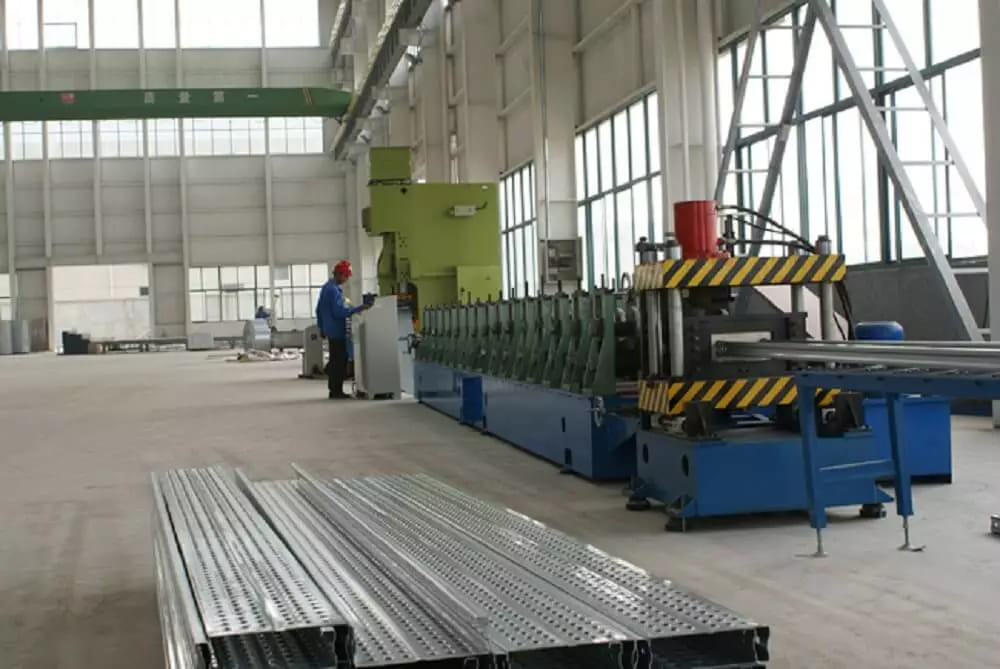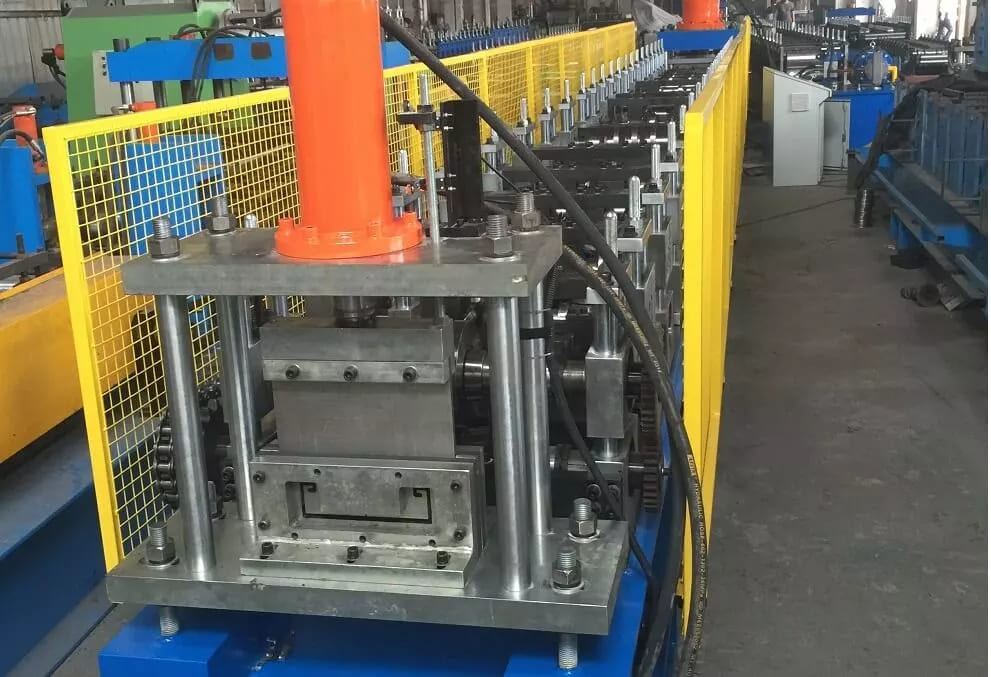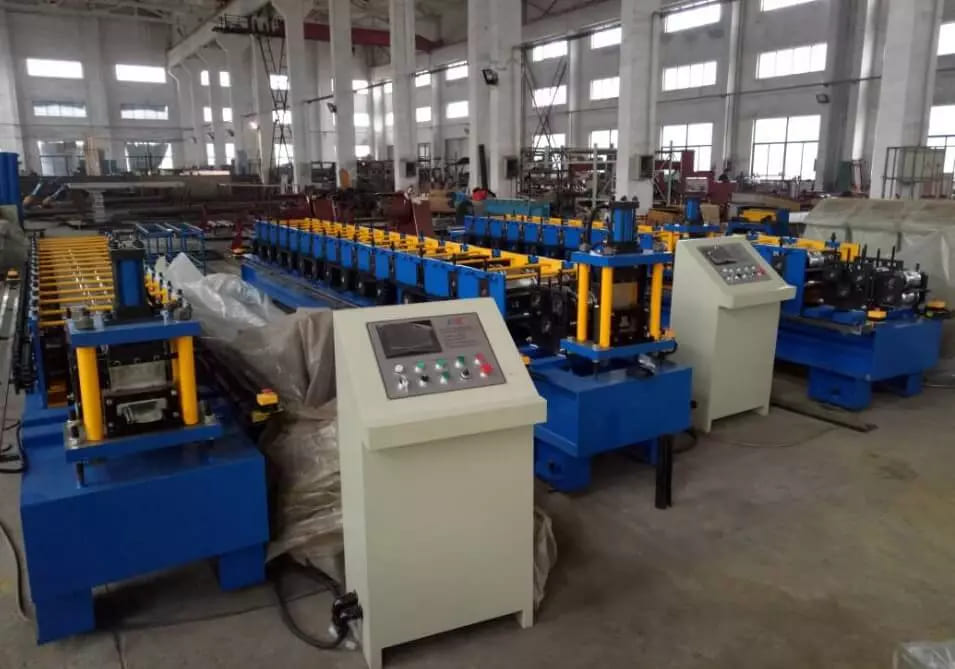

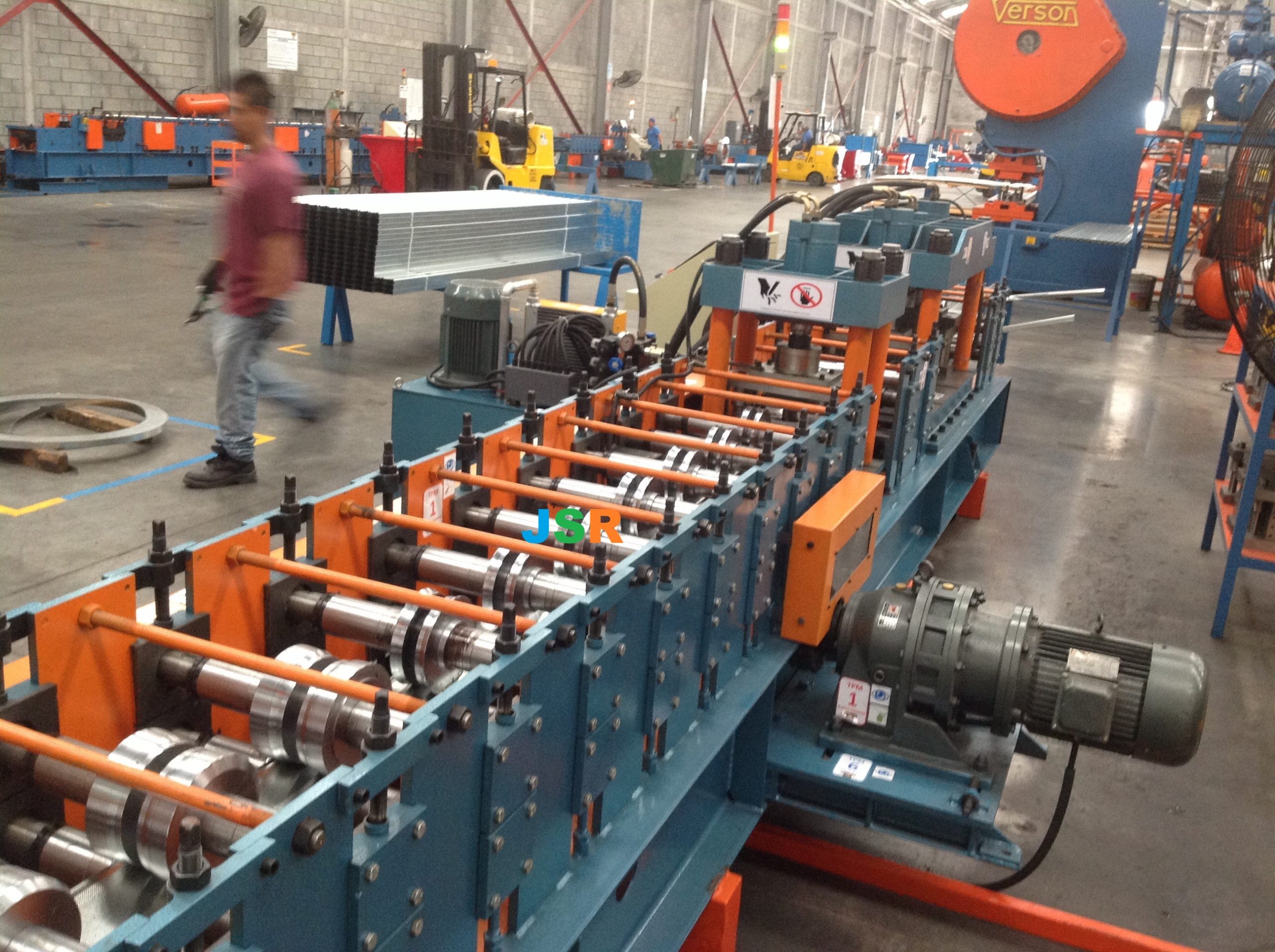
For manufacturers entering drywall profile production, one of the first questions is the cost of the machine itself. A stud and track roll forming machine is often seen as a lighter and more accessible category compared with heavy structural lines, but that does not mean all machines are the same.
Prices can vary substantially depending on profile size range, punching requirements, line speed, automation level, and overall machine quality.
A smart buyer should not ask only, “What is the cheapest machine?”
The more useful question is, “What machine can reliably produce the stud and track profiles my market actually needs?”
This article explains how cost works in this category and what buyers should evaluate before making a decision.
At first glance, stud and track machines may seem simple. But quotations can still vary widely because the final price depends on several production factors, including:
A line built for one standard track profile is very different from a line designed for multiple stud sizes with punching and faster output.
The more product sizes or profile variations a buyer wants, the more complex the machine may become.
A machine for one dedicated profile is usually simpler than a line designed for:
More flexibility often means more engineering and higher cost.
Some stud profiles require service holes or knockouts for electrical and mechanical installation.
If the machine includes:
then the cost increases. Punching adds both hardware and control complexity.
Stud and track products may use different thickness levels depending on the target market.
As thickness increases, machine requirements may also increase in terms of:
This directly affects the price.
Some buyers want very high-speed output because stud and track are often volume products.
Higher speed may require:
But speed should not be chased blindly. Stable output quality still matters more than attractive speed claims on paper.
A more automated line may include:
These features improve productivity and reduce operator dependence, but they also raise the initial machine cost.
This is one of the most important but most overlooked areas.
The final quotation may reflect differences in:
In high-volume production, better machine quality can easily justify a higher price.
The cutting section affects both output consistency and operational efficiency.
In stud and track production, buyers often need:
A weak cutting system can reduce actual production value even if the line looks fine otherwise.
The machine quotation is only part of the full investment. Buyers should also consider:
It is better to think in terms of total project cost, not only ex-factory machine price.
Sometimes a lower-cost machine is acceptable if the buyer has:
But in many cases, the cheapest machine creates problems later through:
For a product line that often sells in volume, production consistency matters a lot.
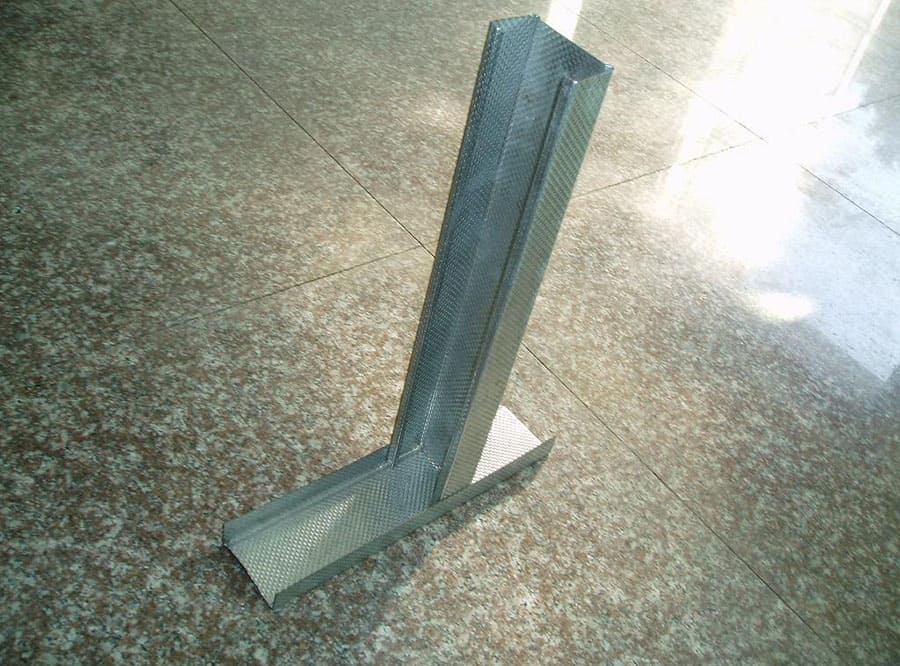
When comparing quotations, buyers should ask:
Comparing only headline price often leads to the wrong machine choice.
A more focused line may be enough for buyers who:
This can be a reasonable entry strategy if the market is clear.
A stronger line is usually more suitable for buyers who:
In those cases, spending more upfront may reduce limitations later.
No. The price depends on profile design, thickness range, speed, punching, flexibility, and automation.
Usually the main drivers are profile range, punching requirements, speed, and overall machine quality.
Not always. It depends on the specific stud design and market requirements.
No. For volume production, stable and usable output is usually more important than the highest advertised speed.
Depending on the design, yes. But flexibility may affect cost.
Yes, especially if the startup clearly understands the target profile and target market.
Profile drawing, thickness range, width, punching needs, product length, and production speed expectations.
They may reflect simpler build quality, less flexibility, lower automation, or reduced production stability.
Yes. Even with lighter profiles, good commissioning and setup support can make a major difference.
Buying by price alone without confirming whether the machine matches the actual stud and track product requirements.
For stud and track production, the real business value comes from stable volume output, not just from the initial quotation.
JSR Roll Former is often evaluated on:
For a category where repetitive production matters, this is important.
The cost of a stud and track roll forming machine depends on the product strategy behind it. A basic line for one profile is very different from a more flexible, punched, high-speed solution.
For manufacturers serving drywall and interior framing markets, the smartest investment is the machine that matches actual demand, real product specifications, and long-term production plans.
The best buying decision is not about finding the lowest quotation. It is about choosing the line that can produce the right profiles with reliable and commercially useful quality.