
What Is a Cable Tray Roll Forming Machine? Complete Guide for Electrical and Industrial Projects

Facebook
Twitter
LinkedIn

Description

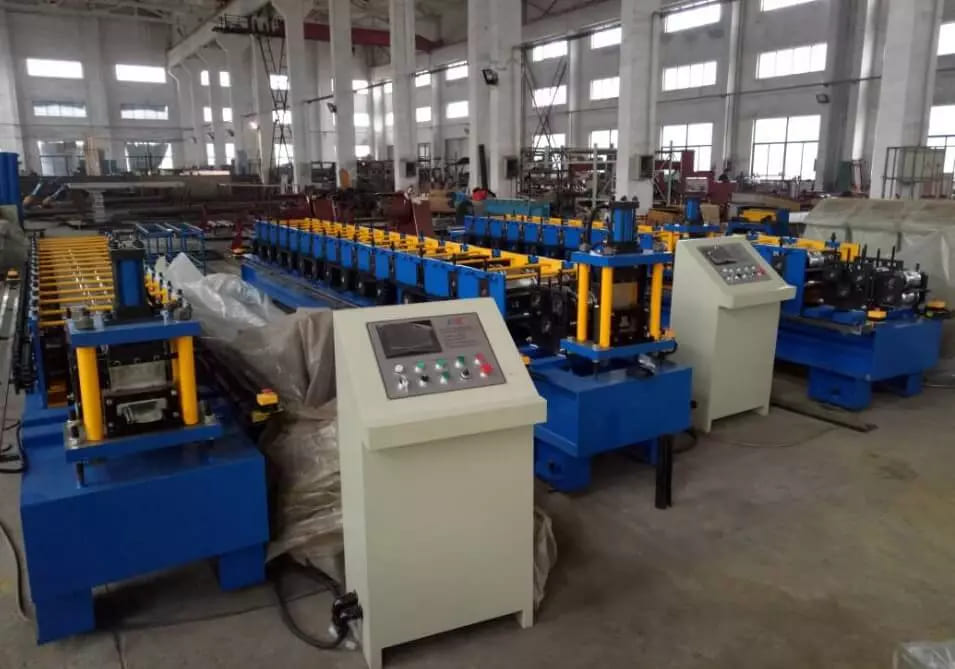
A cable tray roll forming machine is a specialized metal forming system used to produce cable trays for electrical wiring management. These trays are essential components in industrial plants, commercial buildings, and infrastructure projects.

For manufacturers and contractors, cable tray machines provide an efficient and cost-effective solution for producing high-quality cable management systems.


What Is a Cable Tray?

A cable tray is a structural system used to support and organize electrical cables.

Common types include:

  • Ladder cable tray
  • Perforated cable tray
  • Solid bottom cable tray

Cable trays are widely used to ensure safe and organized cable routing in modern construction.
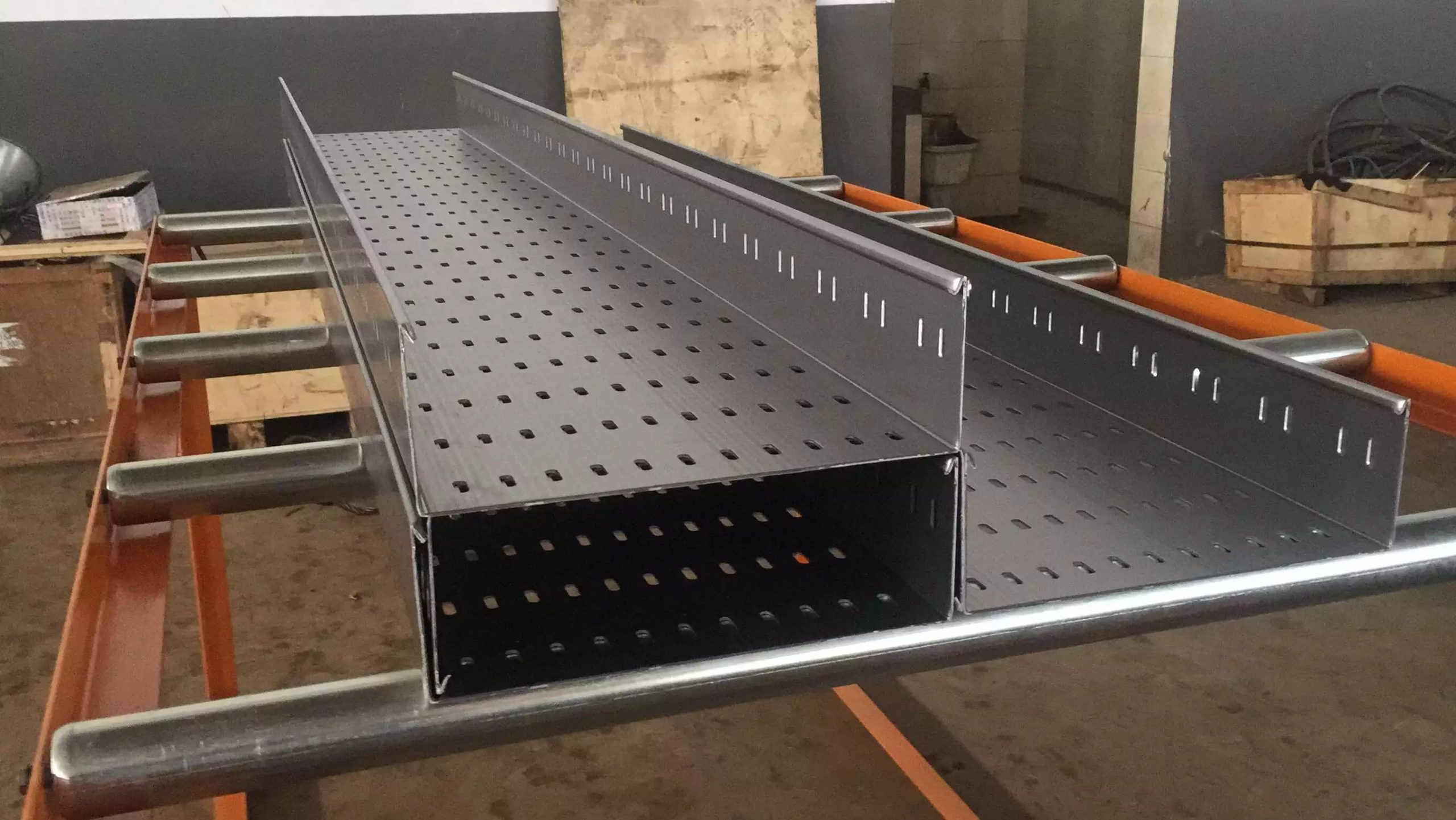

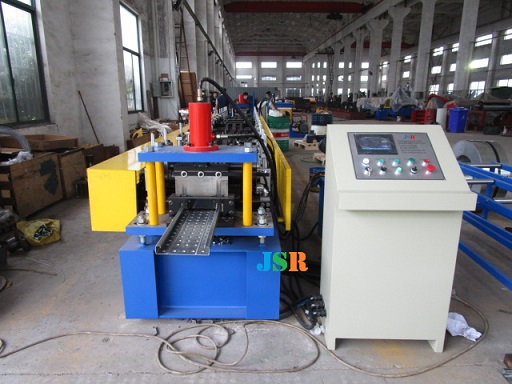
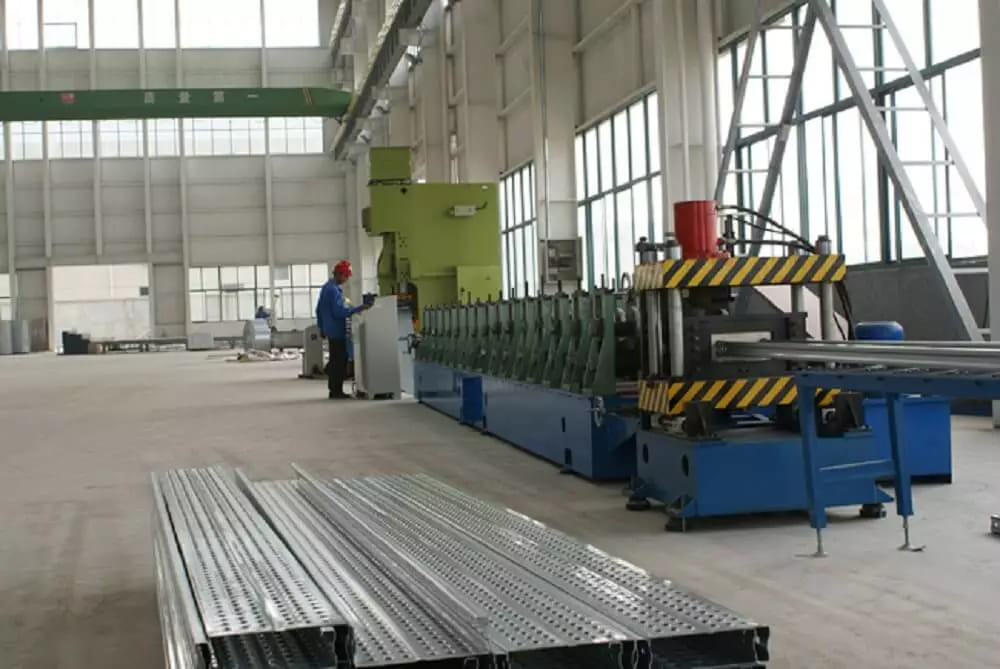
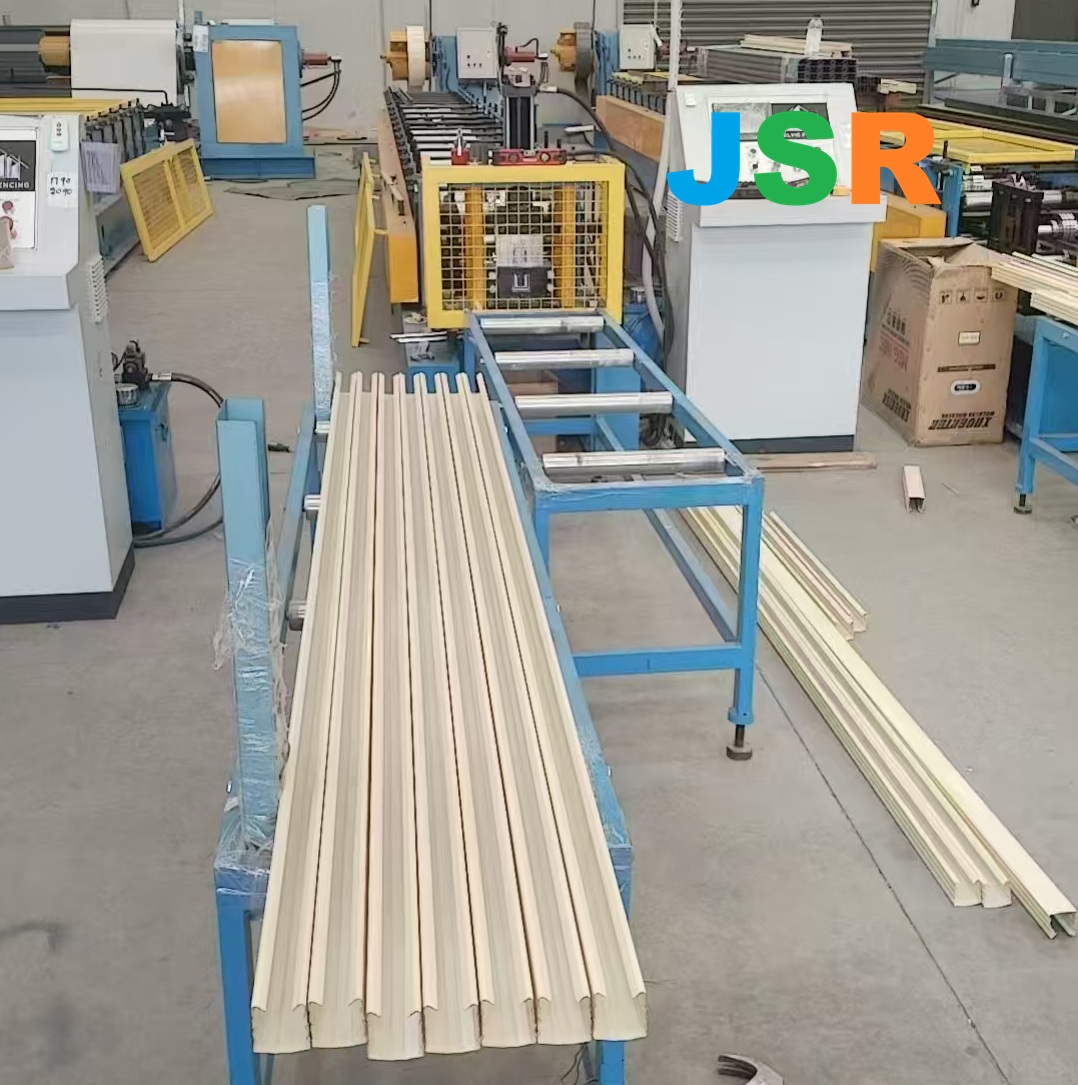
Cable Tray Production Line

What Is a Cable Tray Roll Forming Machine?

A cable tray roll forming machine is an automated production line that transforms steel coils into cable tray profiles through continuous roll forming.

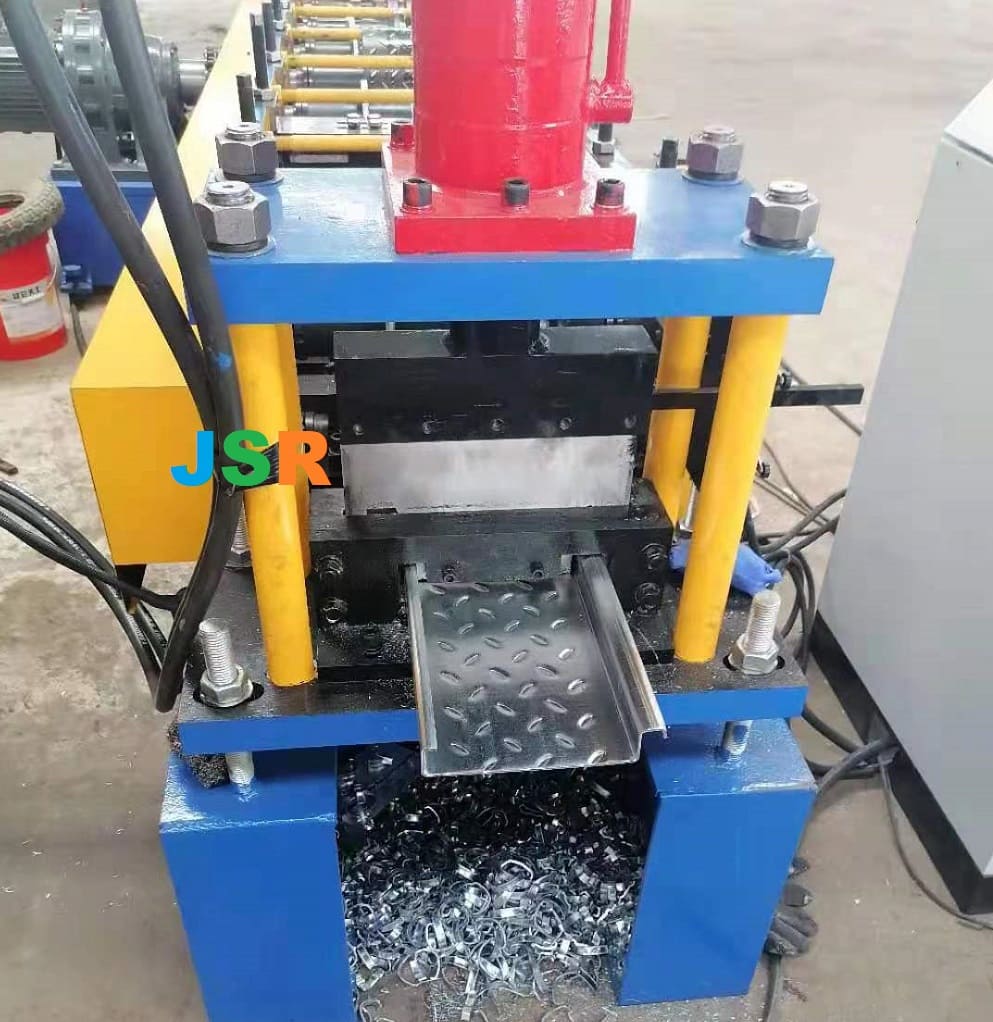
It integrates multiple processes including forming, punching, and cutting to produce finished cable trays with high precision.


How Does a Cable Tray Roll Forming Machine Work?

The production process includes:

  1. Decoiling
    Steel coil is loaded and prepared for processing
  2. Leveling and Feeding
    Material is flattened and fed into the system
  3. Punching System
    Holes and slots are created for cable installation and ventilation
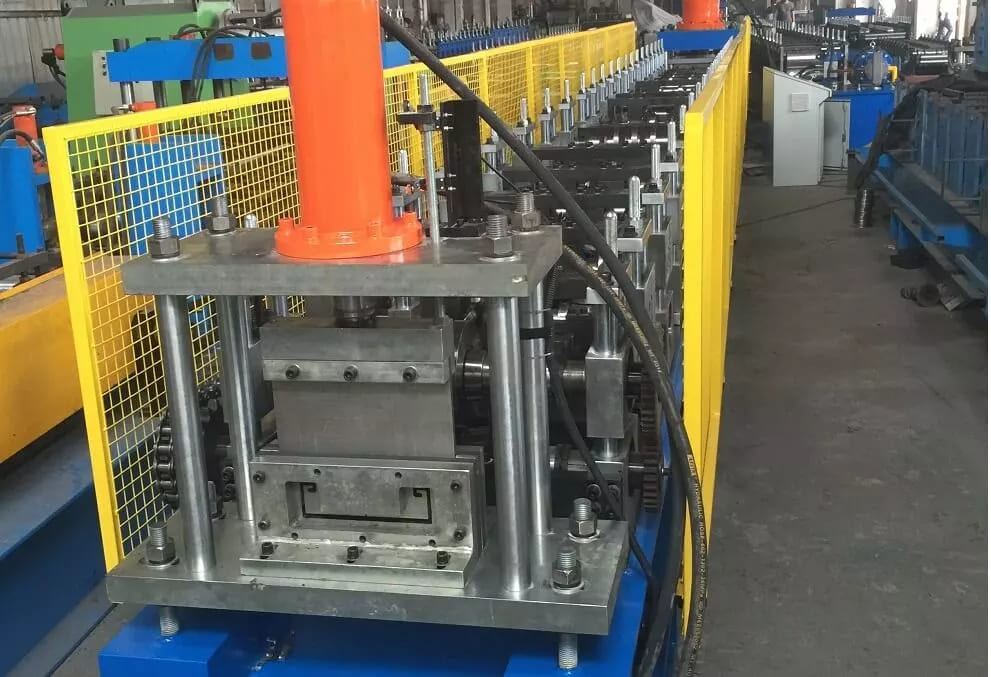
  4. Roll Forming
    Multiple roller stations gradually form the tray profile
  5. Cutting System
    Profiles are cut to required lengths automatically
  6. Output System
    Finished trays are collected for stacking and packaging

Key Features of Cable Tray Roll Forming Machines

Modern machines (such as JSR solutions) offer:

  • High-speed production (up to 20–30 m/min)
  • Integrated punching and forming system
  • Wide size range for different tray types
  • Servo-driven punching for precision
  • PLC control for full automation
  • Customizable design based on project requirements

Advantages of Using Cable Tray Machines

  • High efficiency: Continuous production reduces labor cost
  • Precision: Accurate hole punching and dimensions
  • Flexibility: Supports multiple tray designs
  • Cost-effective: Low material waste
  • Scalability: Suitable for mass production

Applications of Cable Tray Systems

Cable trays are widely used in:

  • Industrial plants
  • Power stations
  • Commercial buildings
  • Data centers
  • Infrastructure projects

Frequently Asked Questions (FAQ)

What materials are used for cable trays?

Common materials include galvanized steel, stainless steel, and aluminum.


Can one machine produce different tray sizes?

Yes, adjustable machines can handle multiple sizes and specifications.


What is the production speed?

Typically between 15–30 meters per minute depending on configuration.


Is punching necessary for cable trays?

Yes, most cable trays require perforation for ventilation and cable management.


Why Choose JSR Roll Former for Cable Tray Machines?

JSR Roll Former provides reliable cable tray roll forming solutions with:

  • Stable machine performance
  • High-precision punching systems
  • Flexible production configurations
  • Strong customization capability
  • Professional global support

JSR machines are designed to meet the demands of modern electrical infrastructure projects.


A cable tray roll forming machine is an essential solution for manufacturers involved in electrical and industrial construction. With automation, precision, and efficiency, it ensures high-quality cable management systems for various applications.
Specifications

Gallery

Relate news

No relate news.

Inquiry

Contact us