
How Much Does a Guardrail Roll Forming Machine Cost in 2026?

Facebook
Twitter
LinkedIn

Description

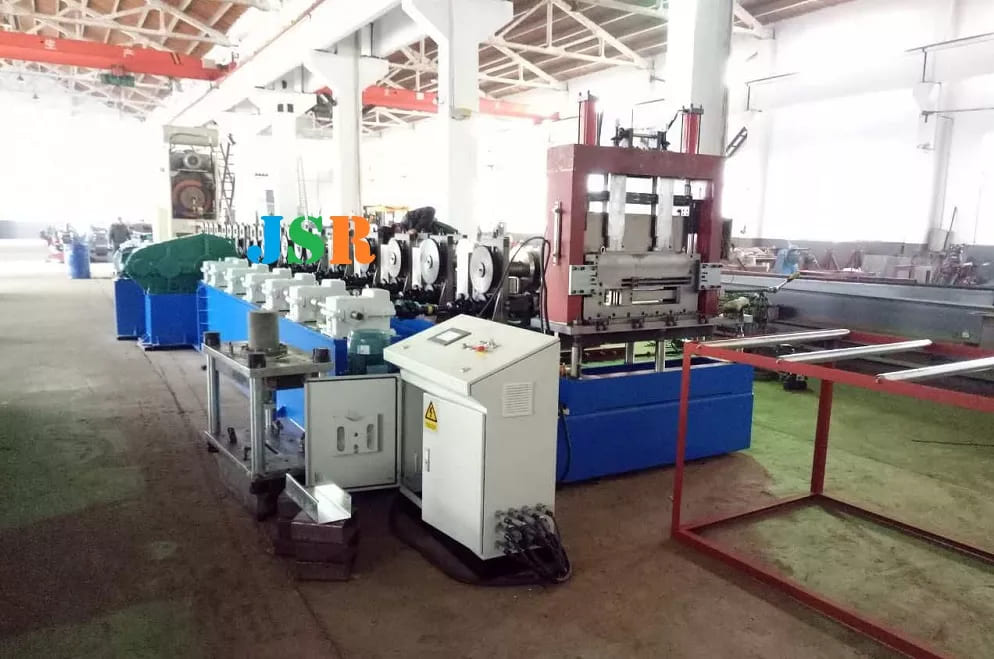
The cost of a guardrail roll forming machine is generally higher than standard roll forming equipment due to its heavy-duty structure and high-strength material requirements.

If you are planning to enter the highway safety or infrastructure sector, understanding the real price range and cost factors is essential before making an investment.


Average Price of Guardrail Roll Forming Machines

Based on current market data, typical price ranges are:

  • Basic models (semi-automatic): $18,000 – $30,000
  • Standard automatic machines: $30,000 – $80,000
  • High-end fully automatic production lines: $80,000 – $150,000+

For example, some entry-level machines are quoted around $18,000–$20,000 in the market

More advanced customized systems can exceed $100,000 depending on configuration.


Why Guardrail Machines Are More Expensive

Compared to roofing or stud machines, guardrail machines require:

  • Thicker material processing (typically 2.5–4.0 mm)
  • Stronger machine frame and rollers
  • High tonnage punching systems
  • Stable long-run production capability

These factors significantly increase manufacturing cost.


Key Factors That Affect the Price

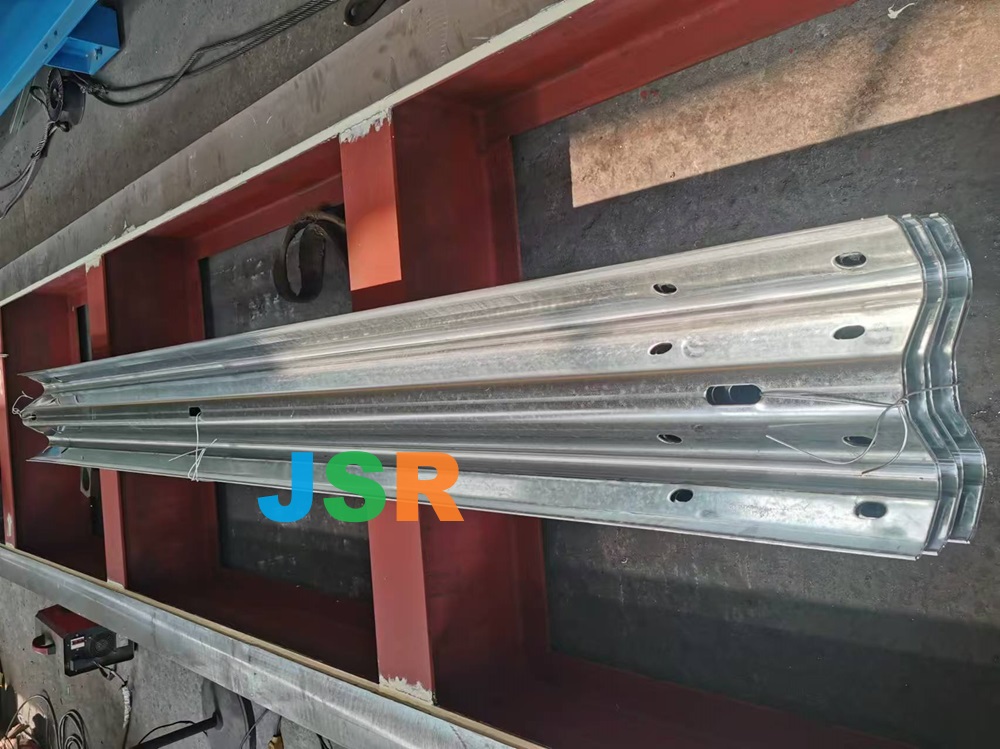
1. Profile Type (W Beam vs Thrie Beam)

  • W-beam → standard, lower cost
  • Thrie-beam → stronger structure, higher cost

More complex profiles require more forming stations.


2. Material Thickness Capacity

Machines designed for 3–4 mm thickness need:

  • Stronger rollers
  • More powerful motors

This directly increases machine price.


3. Punching System

  • Hydraulic punching → standard solution
  • Servo punching → higher precision and speed

Punching system is one of the biggest cost drivers.


4. Production Speed

  • Standard speed: 10–15 m/min
  • High-speed line: 20 m/min+

Higher speed = higher cost (motor + control system upgrade)


5. Automation Level

  • Semi-automatic → lower cost
  • Fully automatic (PLC + servo) → higher efficiency, higher cost

6. Customization Requirements

Guardrail projects often require:

  • Different hole layouts
  • National standards (AASHTO, EN, etc.)
  • Special profile tolerances

Customization increases tooling and design cost.


Additional Costs to Consider

Beyond machine price, you should include:

  • Shipping (heavy equipment, high cost)
  • Installation and commissioning
  • Training
  • Spare parts
  • Import duties

Is a Guardrail Machine a Good Investment?

Yes, especially if you target infrastructure projects.

Why:

  • Government projects = large volume orders
  • Long-term demand (road construction never stops)
  • Higher unit value compared to roofing products

Return on Investment (ROI)

Typical ROI period:

  • 8–18 months

Depends on:

  • Project contracts
  • Production volume
  • Market demand

FAQ

Why are some machines very cheap?

Usually lower thickness capacity, fewer stations, or weaker structure.


Is this suitable for beginners?

Not ideal for very small startups due to higher investment.


Which is more profitable: W-beam or thrie-beam?

Thrie-beam has higher margin, but W-beam has larger demand.


How to get an accurate quotation?

Provide:

  • Profile type
  • Thickness
  • Material width
  • Punching requirements
  • Production speed

Why Choose JSR Roll Former?

JSR provides guardrail roll forming machines designed for infrastructure-level production:

  • Heavy-duty machine structure
  • Stable high-speed operation
  • Accurate punching systems
  • Custom solutions for different standards
  • Reliable long-term performance

JSR focuses on matching machine capability with real project demand.


The cost of a guardrail roll forming machine depends on multiple factors, including profile type, thickness capacity, and automation level.

For manufacturers targeting infrastructure and highway projects, this machine represents a higher investment—but also a more stable and scalable business opportunity.
Specifications

Gallery

Relate news

No relate news.

Inquiry

Contact us