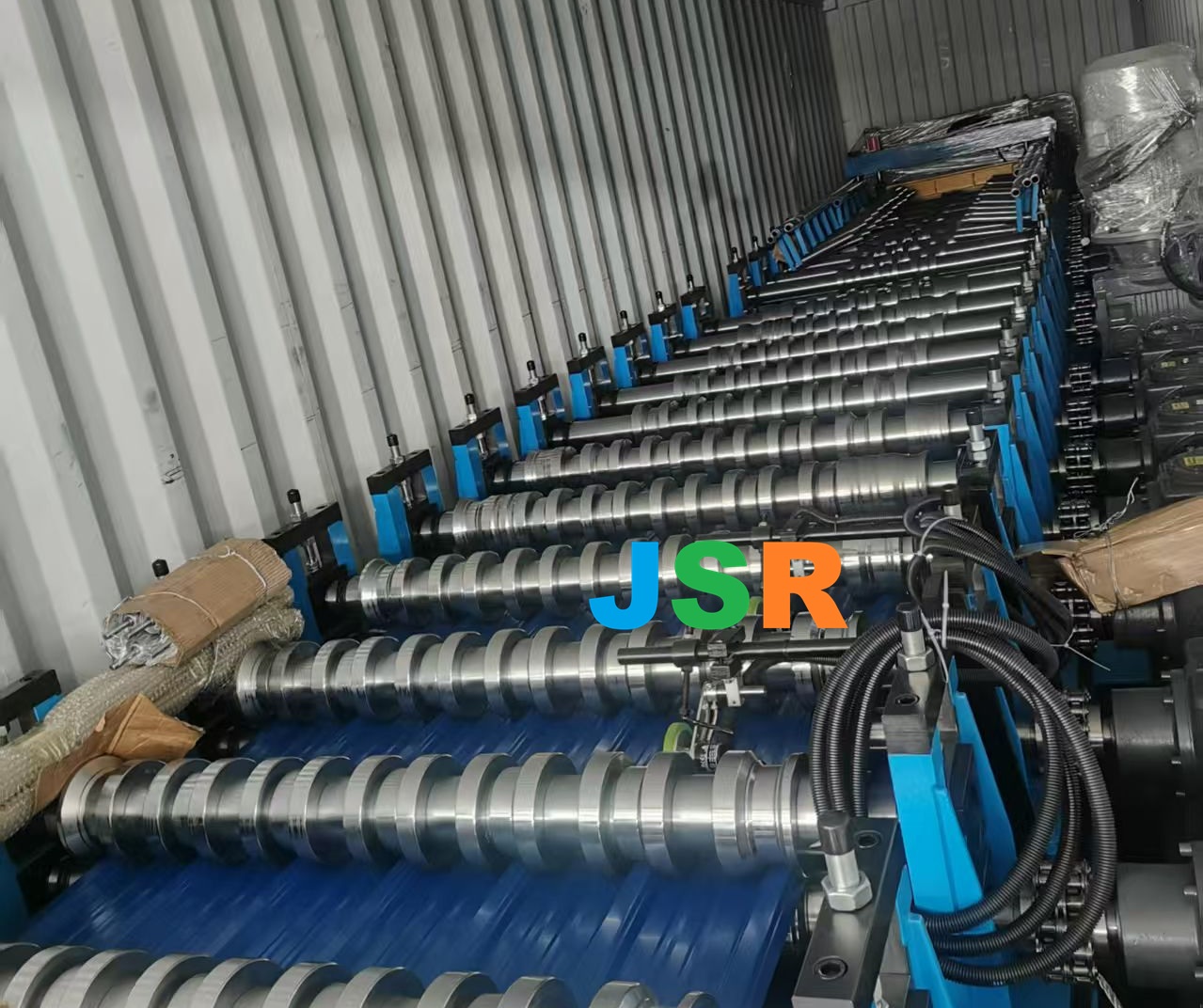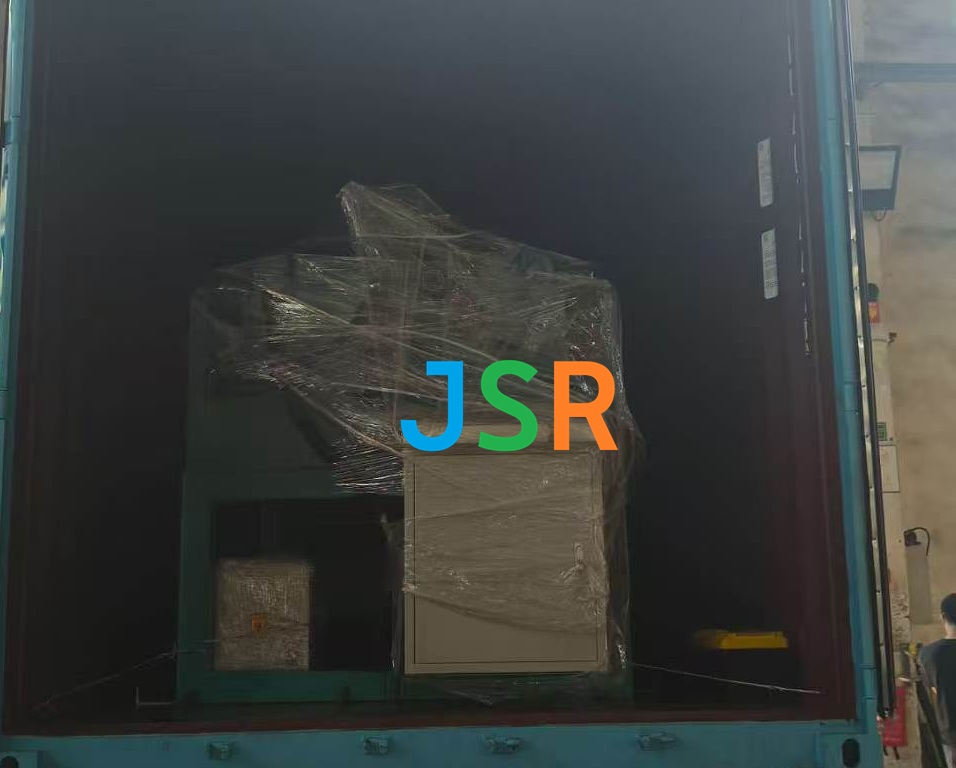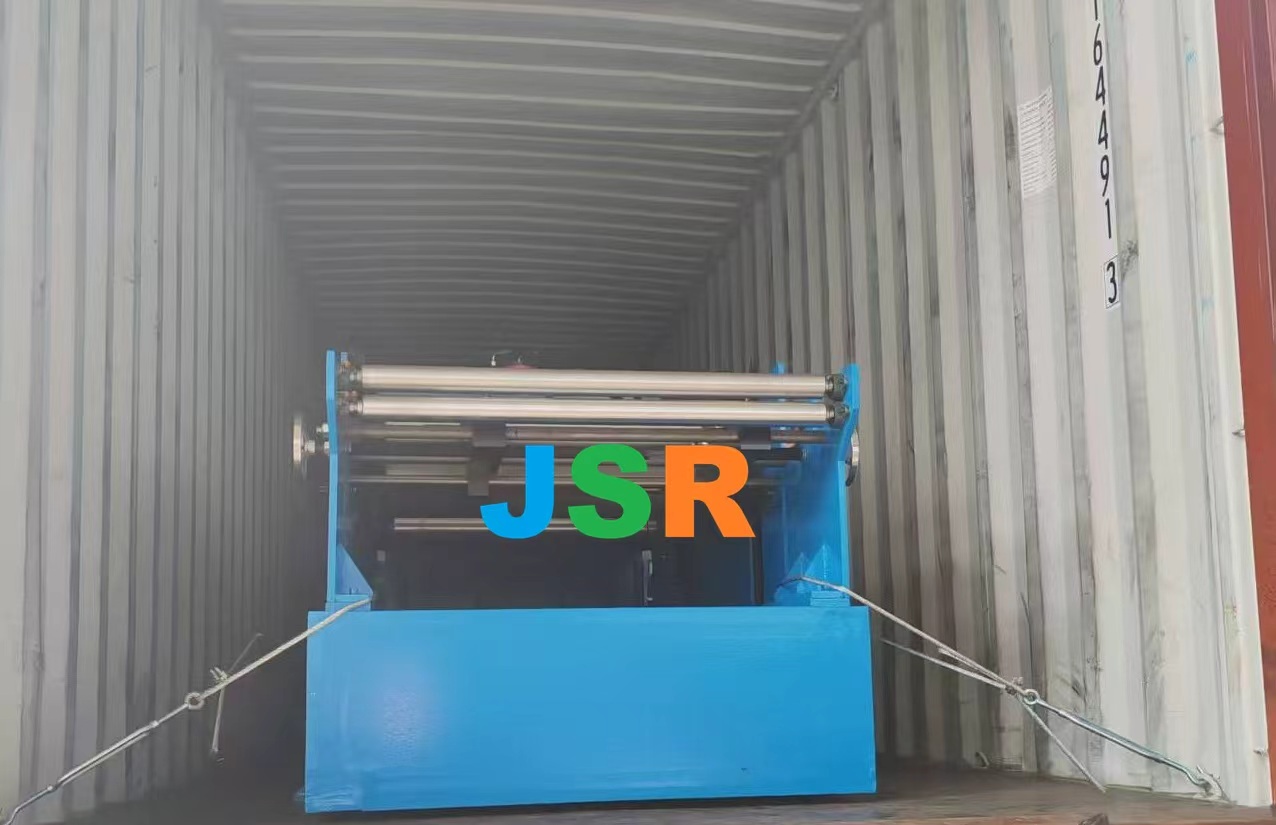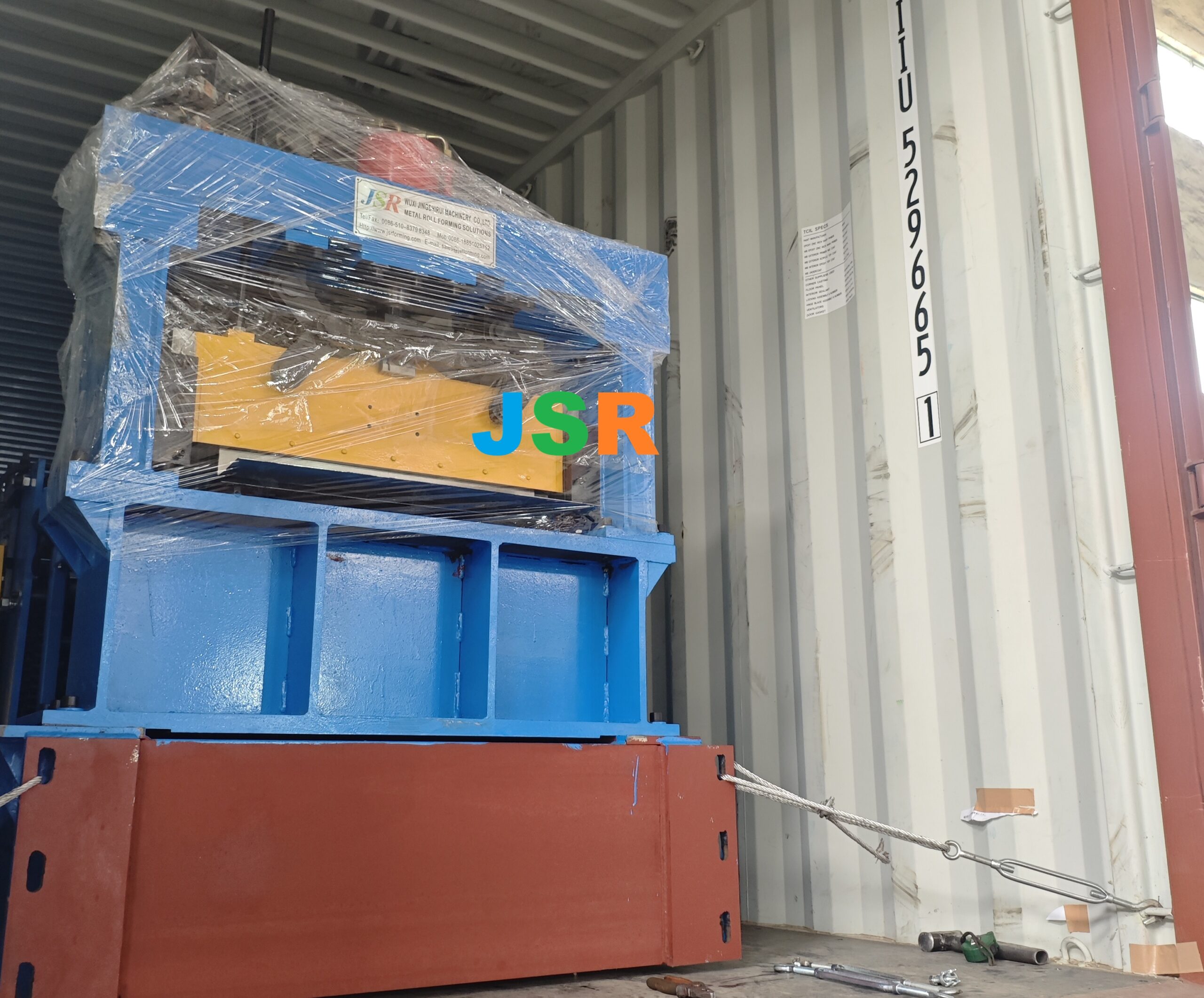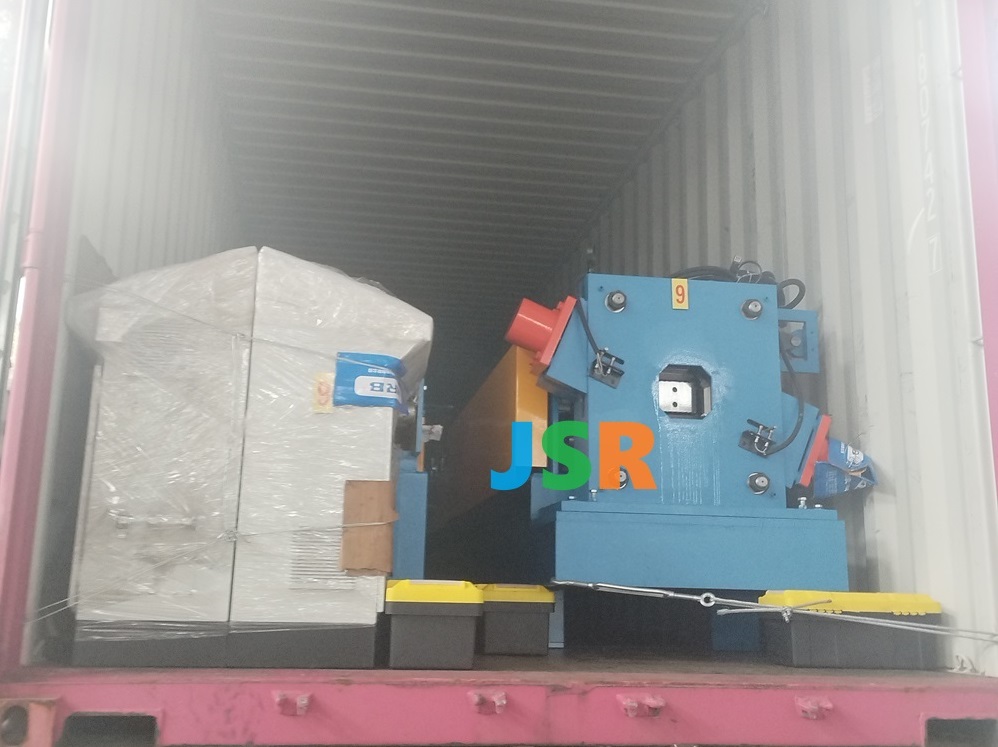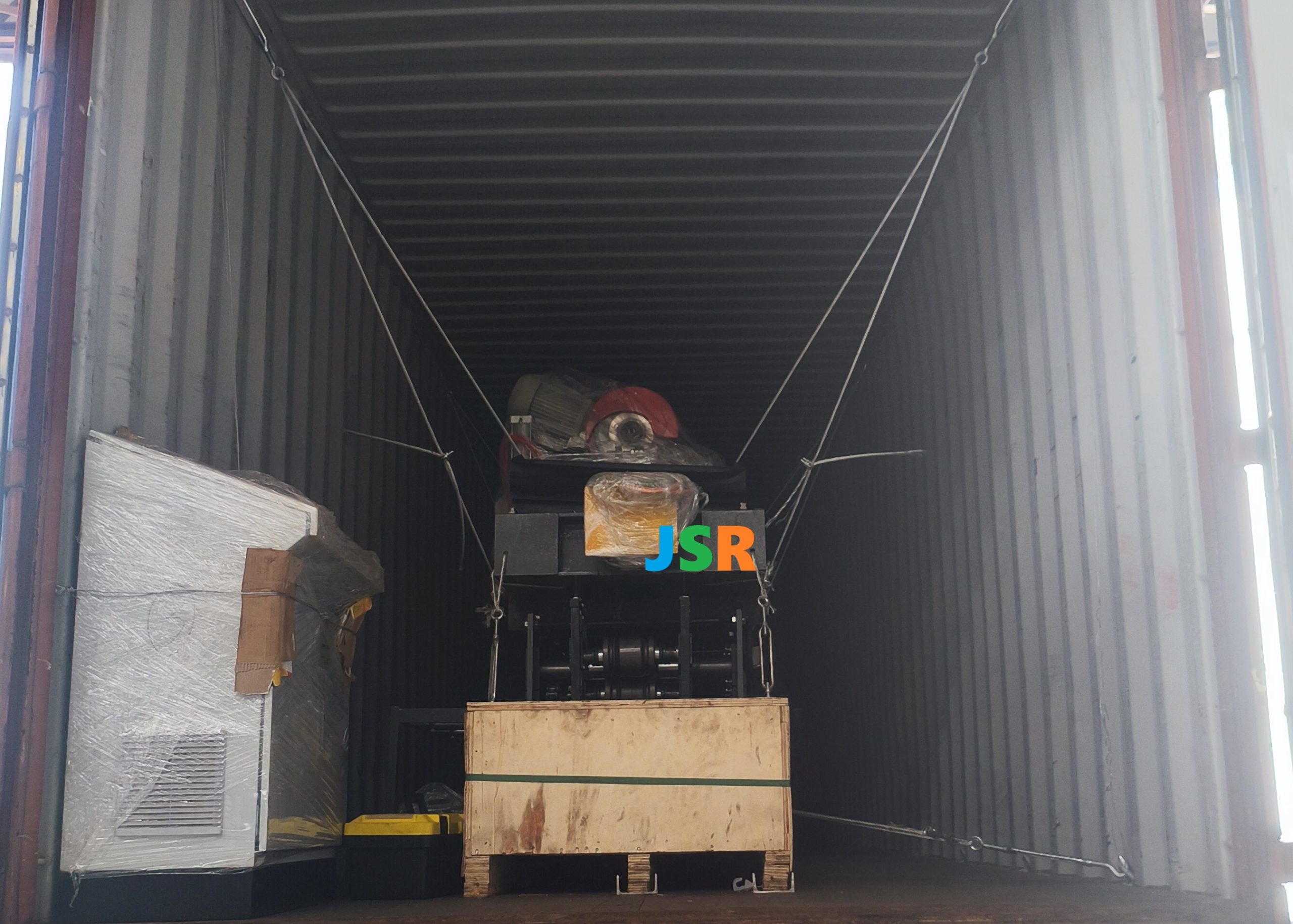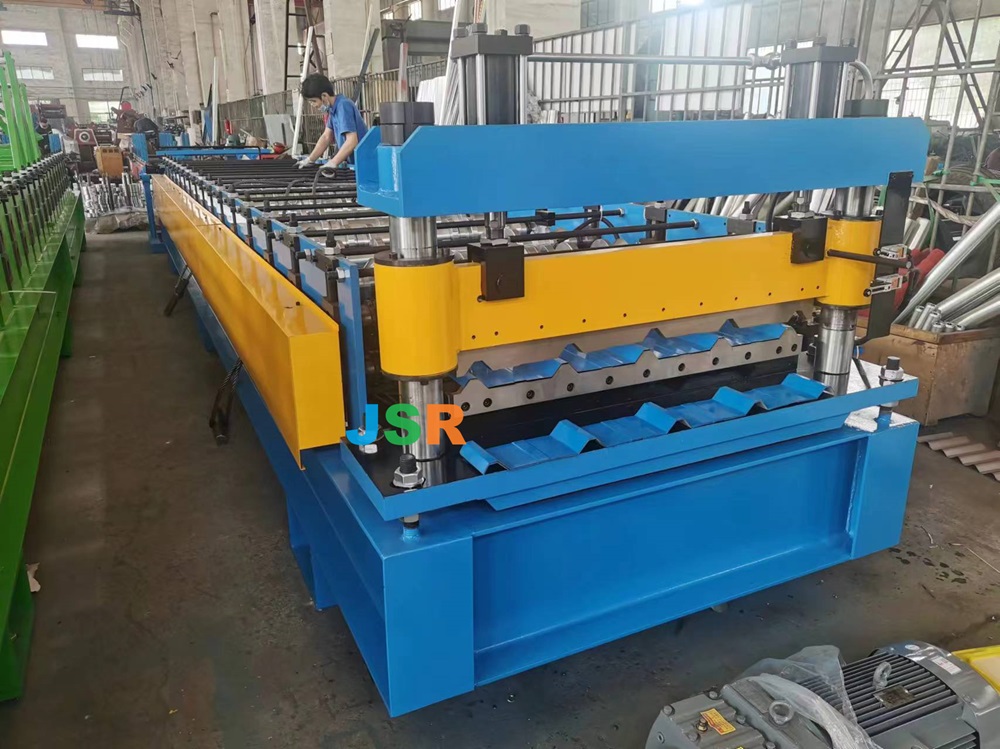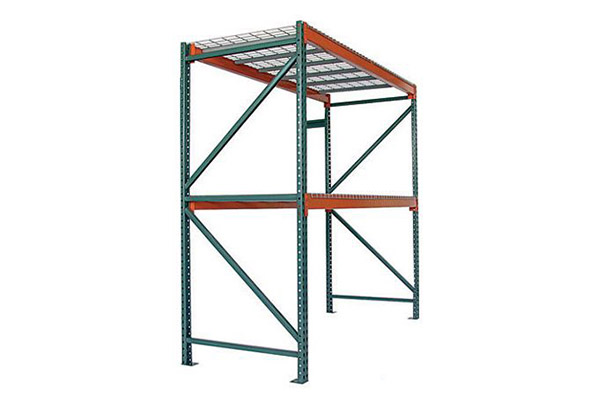

A storage rack roll forming machine is designed to produce structural steel components used in warehouse racking systems. These components are essential for building storage solutions in logistics centers, manufacturing plants, retail distribution hubs, and e-commerce warehouses.
As warehouse operations become more demanding, the need for durable, accurate, and scalable rack systems continues to grow. This is why storage rack production has become an important segment in the roll forming industry.
For manufacturers, investing in a storage rack roll forming machine is not only about producing steel profiles. It is about entering a market that is closely connected to logistics growth, supply chain modernization, and industrial storage expansion.
A storage rack system is a steel structure used to organize and support goods in warehouses and industrial storage facilities. It is designed to improve storage efficiency, maximize vertical space, and make inventory management easier.
A typical rack system includes:
These systems can be simple or highly engineered depending on load requirements and warehouse layout.
A storage rack roll forming machine is an automated production line that transforms steel coil into rack components such as uprights and structural members through continuous roll forming.
The machine usually combines several functions into one production process:
This allows manufacturers to produce rack profiles with consistent dimensions, clean punching patterns, and stable structural quality.
Storage rack components are not ordinary light-gauge profiles. In many cases, they must support heavy loads, maintain dimensional consistency, and fit into modular warehouse systems.
Because of this, production requires:
A dedicated storage rack roll forming machine is built for these conditions. It is different from a simple roofing sheet machine or standard light profile line.
The production process is usually straightforward in concept, but highly controlled in execution.
The steel coil is loaded onto the decoiler. The coil may vary depending on rack design, thickness requirements, and material grade.
The material passes through the feeding and leveling section. This step helps ensure that the strip enters the punching and forming sections in a stable condition.
Punching is one of the most important stages in rack profile production. Holes and slots are needed for beam connection, assembly flexibility, and structural installation.
The strip then enters the roll forming stations, where it is gradually shaped into the final rack profile. The forming process must remain stable to avoid twist, distortion, or dimensional inconsistency.
After forming, the profile is cut to the required length. Accurate cutting ensures proper fit during rack assembly.
Finished profiles move to the output section for collection, packaging, or further assembly.
A well-designed production line often includes:
Advanced lines may also include higher automation, faster size adjustment, and more complex punching logic depending on project needs.
Depending on the design, a storage rack roll forming machine can be used to produce:
The exact output depends on tooling, profile design, punching layout, and machine configuration.
This product category is closely connected to multiple growing industries.
Typical end users include:
That is one reason why storage rack production is viewed as a practical long-term business segment.
Several trends continue to push demand upward:
Online retail increases the need for organized storage and fast-moving inventory systems.
Industrial storage capacity is growing in many developing and developed markets.
Businesses are trying to maximize vertical storage rather than expand building footprints.
Older rack systems are frequently replaced with stronger, more flexible designs.
For roll forming manufacturers, this creates a product category with repeat demand and wide applications.
A storage rack roll forming machine offers several strong business advantages.
Profiles must fit together in real warehouse installations. Dimensional stability is essential.
Production can support both project-based and standard distribution orders.
Rack profiles are structural products, not only decorative components.
This category serves logistics, retail, manufacturing, and warehousing.
As storage infrastructure grows, rack systems remain necessary.
This type of machine is suitable for:
Before buying a storage rack roll forming machine, many customers ask the same questions:
These are good questions, because rack production is a structural business, not a commodity roofing business.
It is mainly used to produce structural profiles for warehouse and industrial storage systems, especially uprights and other supporting members.
In many markets, yes. Growth in warehousing, logistics, and e-commerce has made storage systems increasingly important.
It depends on profile design and load requirements, but storage rack components often require stronger materials than simple light-gauge products.
Yes. Punching accuracy is critical because rack systems rely on hole alignment for assembly and modular adjustment.
It can, depending on how the machine is designed. Some machines are built for a single profile, while others offer more flexibility.
It can be, but buyers should clearly understand their target product and market before choosing the machine configuration.
They are related, but not always identical. Some machines focus on lighter storage systems, while pallet rack production may require heavier-duty structural profiles.
For rack systems, precision is usually more important than raw speed. Poor fit can create installation problems later.
You should prepare profile drawings, thickness range, punching layout, material type, and expected production speed.
Usually because of stronger machine structures, better punching systems, higher automation, and more demanding profile requirements.
JSR Roll Former provides roll forming solutions designed for practical industrial manufacturing needs. For storage rack production, buyers often care about more than machine speed. They care about punching precision, structural stability, consistent forming quality, and long-term operational reliability.
JSR focuses on:
For manufacturers targeting warehouse and logistics-related products, this matters far more than a simple low-price offer.
A storage rack roll forming machine is a practical investment for manufacturers looking to serve warehouse systems, industrial logistics, and storage infrastructure markets.
It is not just a machine for shaping steel. It is a production solution connected to one of the most active sectors in modern industry: the movement, storage, and organization of goods.
For businesses planning long-term growth, storage rack production offers a market with clear industrial value, repeat demand, and strong application potential.